
The Ipswich radiographer inspiring tomorrow's NHS
Most children grow up knowing what a doctor or nurse does, but what about the professionals who zap tumours, analyse X-rays, or keep feet healthy? One Ipswich radiographer is on a mission to change that, one picture book at a time.
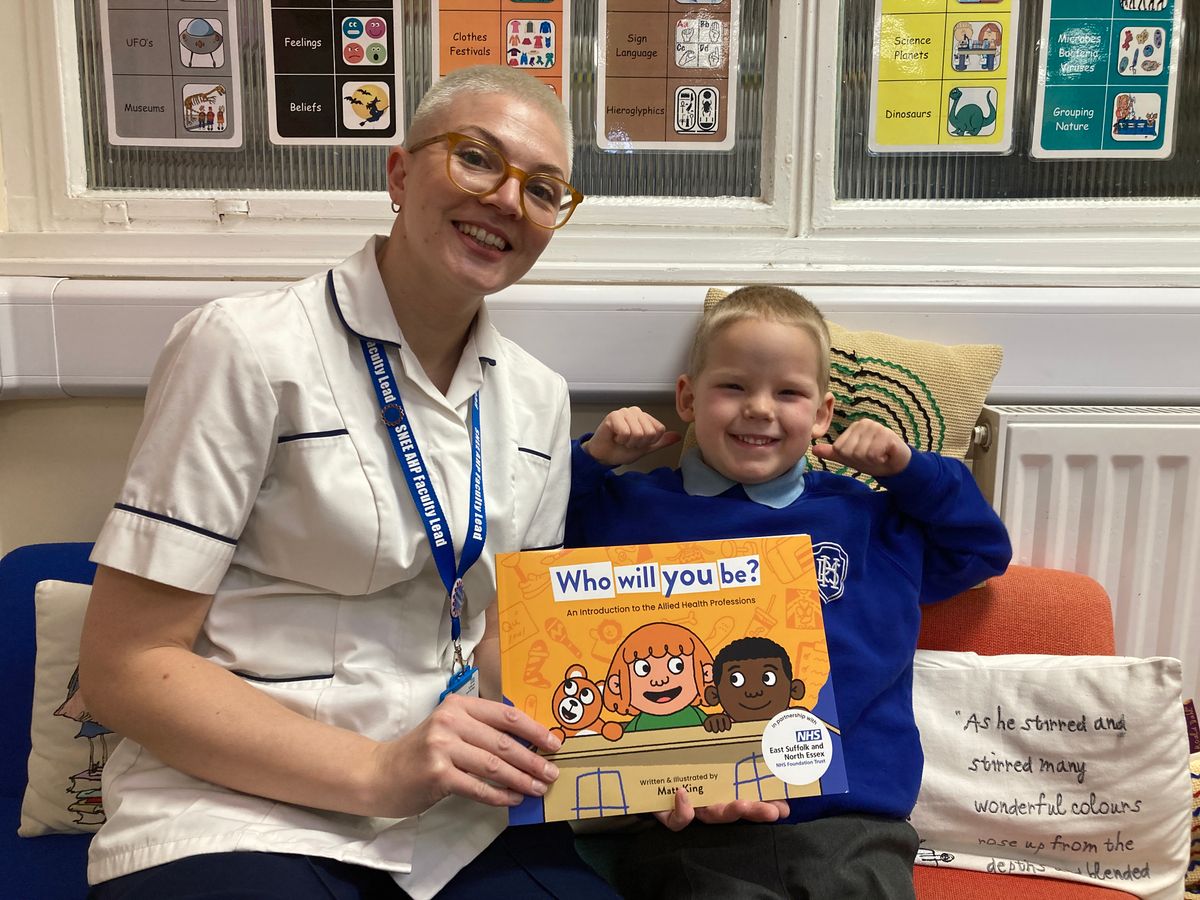
Jemma Yarnton-Peacock has spent her career as a therapeutic radiographer at Ipswich Hospital, using precisely targeted radiation to treat cancer patients. It is a role that demands years of specialist training and carries enormous responsibility. Yet ask most children what a radiographer does, and you are likely to draw a blank.
That realisation sat with Jemma until an innovation fellowship with the East Suffolk and North Essex NHS Foundation Trust (ESNEFT) gave her both the time and the platform to do something about it. "There was lots of literature on doctors and nurses and a few on individual AHP roles such as paramedics," she says. "Significant efforts and resources go into improving awareness of AHP careers and pathways in secondary school and further education. What if we could improve awareness, and increase health literacy, at the earliest possible point, with young children?"
Allied Health Professions – or AHPs, for short – are a group of 14 clinical roles that sit alongside doctors and nurses at the heart of the NHS. They include physiotherapists, podiatrists, dietitians, occupational therapists, paramedics, and radiographers, among others. Despite their vital contribution to patient care, they remain largely invisible in the public imagination and almost entirely absent from children's bookshelves.
From idea to illustration
Jemma's answer was Who will you be? – a picture book covering all 14 AHP roles aimed at five and six-year-olds. To bring it to life, she approached author and illustrator Matt King, who embraced the challenge with enthusiasm.
"When Jemma approached me with the task of creating a children's picture book containing all the allied health professions, I thought it was a wonderful challenge," King says. "Rather than going down the route of a more traditional, reference-style book, I felt it was important to keep the book feeling light and playful, introducing each role through a fun narrative. Working with the team and expert reference group, we aimed to make sure each role was represented accurately – despite the fact they're animals!"
Jemma worked on the book's content alongside AHP colleagues from across Suffolk and north east Essex, and was supported throughout by the ESNEFT Innovation Team. The project was funded through the Trust's Faculty of Education.
120 children and one unforgettable answer
The book launched at Rushmere Hall Primary School in front of around 120 children, who had it read to them by Jemma and her colleagues. Among the audience was one particularly attentive listener: Jemma's five-year-old son Reggie, a pupil at the school.
When asked what AHP role he would like to do in the future, Reggie's answer was instant. He wanted to follow in his mother's footsteps: "I want to be the one that zaps the lumps away."
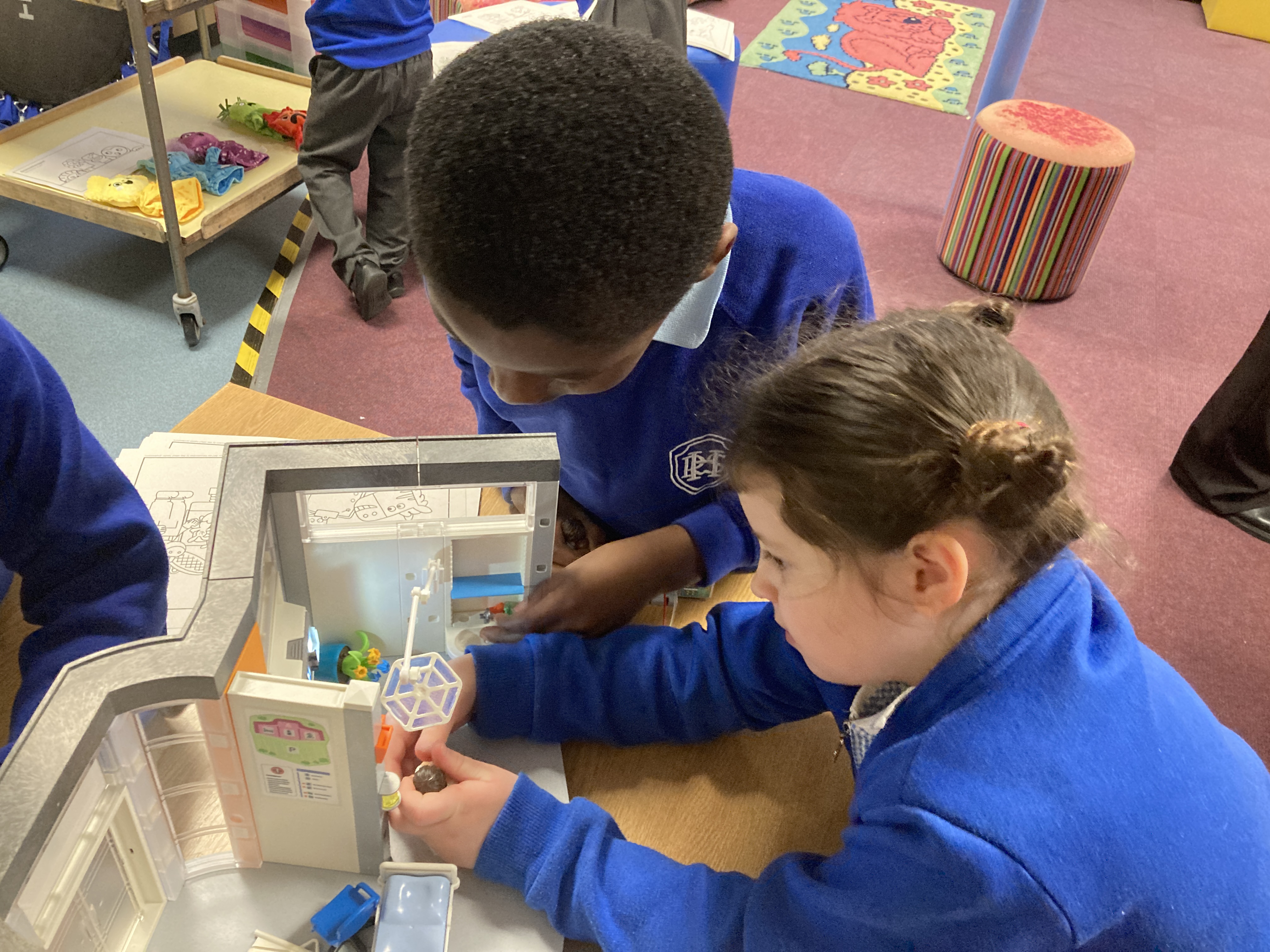
Reggie and his classmates then had the chance to explore the different AHP roles through play and activities – exactly the kind of early, informal engagement with healthcare careers that the book was designed to spark.
Reaching across the region
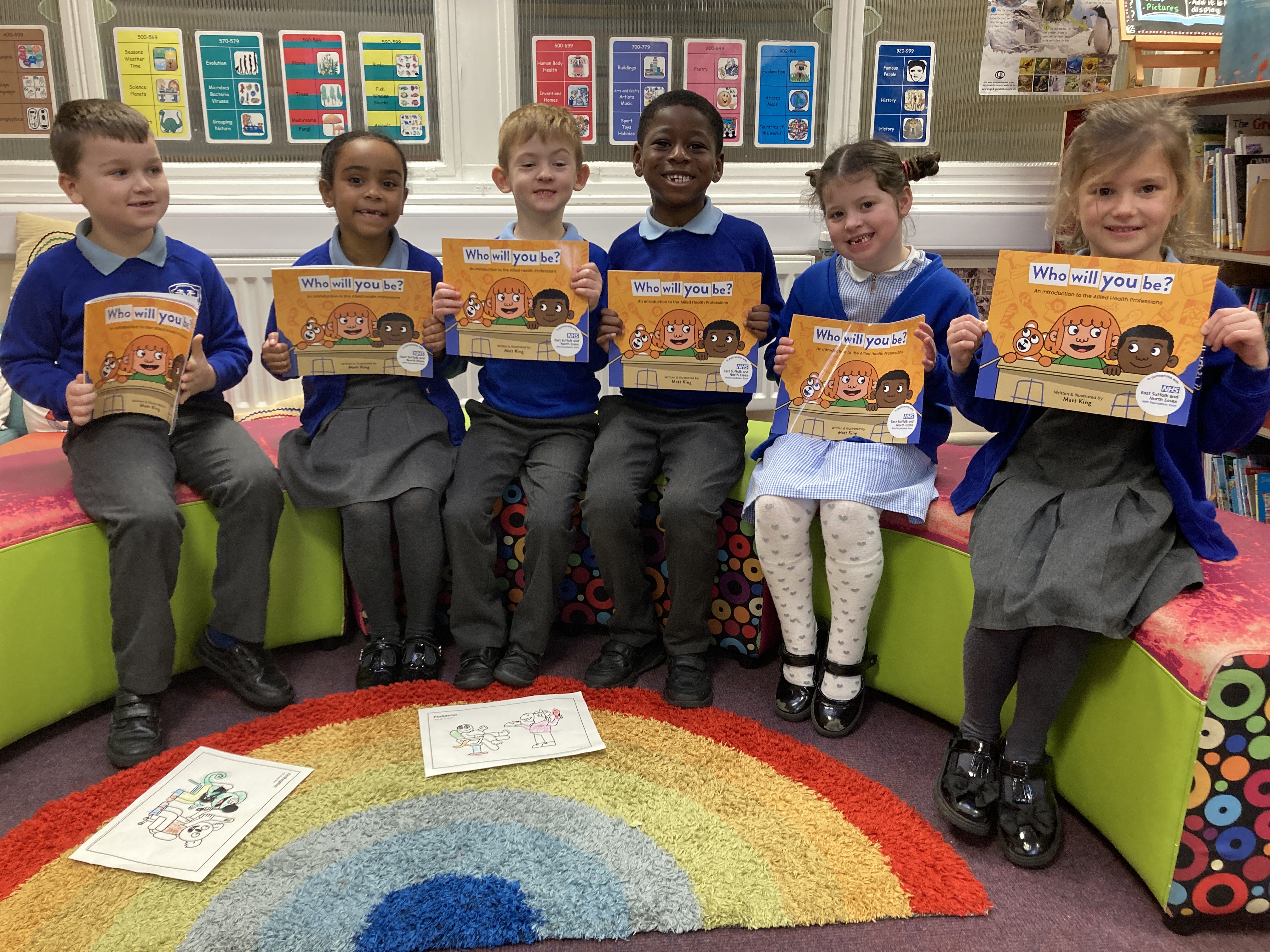
Copies of the book are now being distributed to primary schools and community libraries across Suffolk and north east Essex, with Jemma serving as Allied Health Professions faculty lead for the Suffolk and north east Essex Integrated Care Board (ICB).
Penny Cason, director of AHPs at ESNEFT and chief AHP for the Suffolk and north east Essex Integrated Care System, says the project represents something the Trust is genuinely proud of. "Jemma's creativity and commitment resulted in a resource that will inspire children, families and schools, while showcasing the vital contribution AHPs make to health and care."
For Matt King, the hope is straightforward: "I really hope this book helps shine a light on these important and largely underrepresented roles."
The bottom line
The NHS has long struggled to raise awareness of Allied Health Professions — roles that are essential to patient care yet routinely overlooked when children are asked what they want to be when they grow up. Jemma Yarnton-Peacock's book will not solve that challenge overnight, but it plants a seed at exactly the right moment. If even a handful of the children who heard it read aloud at Rushmere Hall grow up to become the radiographers, physiotherapists, and dietitians the health service desperately needs, it will have been worth every page.
This article cost us ~£54 to produce
It's free for you to read thanks to the generous support of our partners.
Below the line