
GP contract promises faster care – but will it deliver for Ipswich?
The government says a new GP contract will guarantee same-day urgent appointments and boost childhood vaccination rates, but the British Medical Association has warned it risks creating "unrealistic expectations" given how stretched services already are.

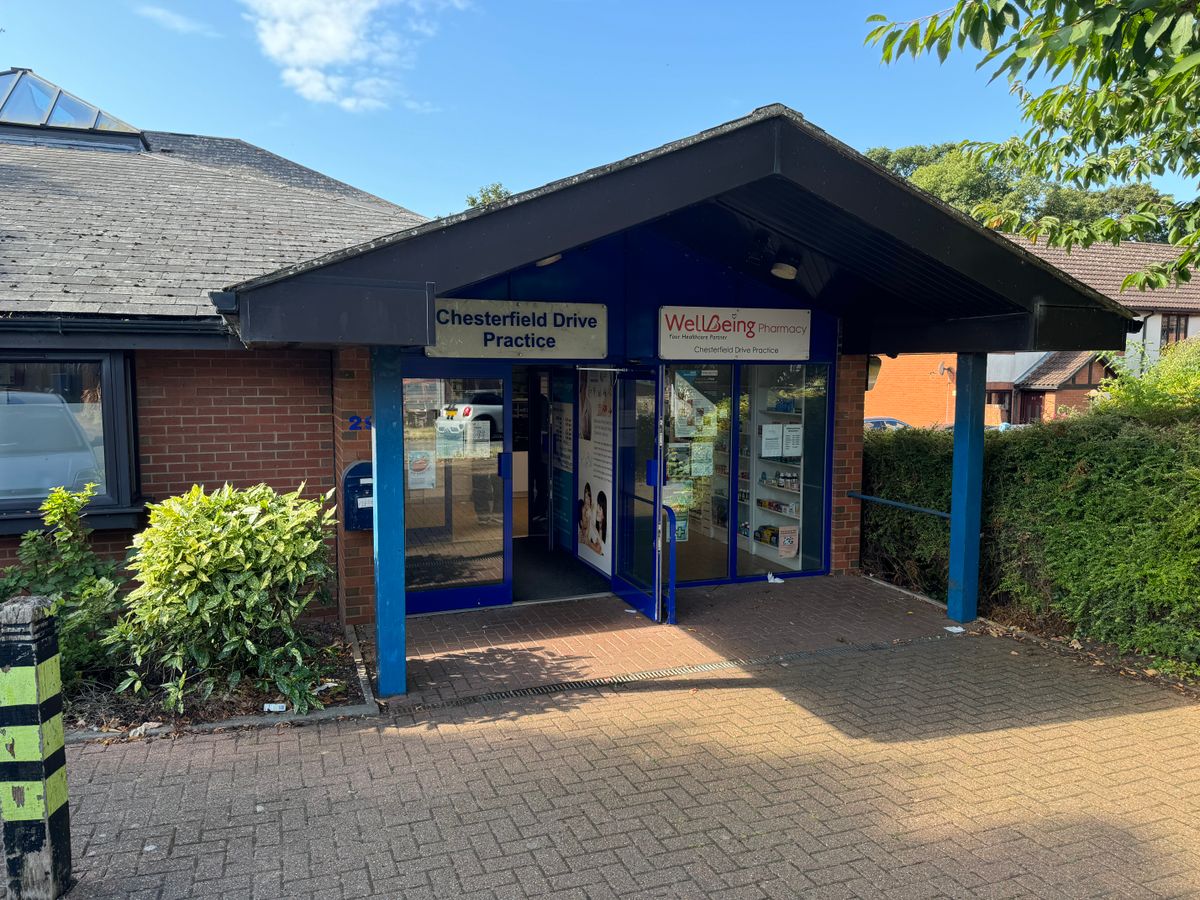
Why it matters: Ipswich MP Jack Abbott has welcomed the changes, saying too many local residents have "struggled to get an appointment when they need one most." The new contract, which comes into force on 1 April, is backed by a £485m funding uplift – a real-terms increase described as a 3.6% cash boost above inflation.
The details: From April, GP practices will be required to offer a same-day appointment to all patients with urgent needs, with a contractual target of achieving this in 90% of cases. The 10% leeway reflects that some patients may not be able to attend on the day they contact their surgery, or may call too late in the day to be given one. It is not yet clear how "urgent" will be defined.
Separately, nearly £300m of existing funding will be ringfenced to allow practices to recruit more GPs or increase sessions undertaken by GPs already in post, equivalent to around 1,600 full-time GPs across England. Experienced GPs will also be able to be recruited through the Additional Roles and Reimbursement Scheme (ARRS) for the first time, rather than just newly qualified doctors.
Other measures in the contract include a requirement for online consultation systems to remain open throughout core hours (08:00–18:30, Monday to Friday), improved data sharing with the Lung Cancer Screening Programme to identify patients for referral, and a £25m programme to support patients with severe obesity and related conditions to access weight loss support.
On vaccinations: The contract includes significant changes to childhood vaccination delivery. Under the current system, only practices that hit high vaccination rate targets earn additional incentive payments – meaning surgeries in areas with lower rates, which arguably need the most support, often miss out, even when recording year-on-year improvements.
The updated contract introduces improvement incentives that recognise practices making progress, rather than just those already hitting targets. The aim is to increase uptake in high-risk communities and help prevent outbreaks. The UK lost its World Health Organisation measles elimination status after more than 2,900 confirmed cases of measles in England in 2024 – the highest level in decades – with childhood vaccination rates still below the 95% uptake recommended by the WHO.
What they're saying: Jack Abbott MP said: "For 14 years, GPs were underfunded and under-supported and communities across Ipswich paid the price. Requiring urgent cases to be seen the same day and properly funding general practice will make a real difference here in Ipswich.
"But this is also about prevention, strengthening vaccination programmes, improving early cancer detection and supporting patients with complex health needs so we reduce pressure on hospitals and keep people healthier for longer."
Speaking to the BBC, Health Secretary Wes Streeting said: "We are fixing the front door to the NHS. Many more patients with urgent needs will be able to get an appointment the day they contact their practice."
The other side: The British Medical Association's GP committee chair, Dr Katie Bramall, told the BBC that the government risked creating "unrealistic expectations," pointing out that GP services were already stretched. The number of patients per GP remains a fifth higher than it was eight years ago, and Office for National Statistics surveys show only one in five patients believe services have improved in the past year.
Dr Bramall also said the BMA had not had an opportunity to negotiate with the government about the changes. Its GP committee was due to meet on Thursday to decide whether to challenge the imposition of the contract.
For context: This is not the first time a Labour government has set a target for rapid GP access. In 2000, a 48-hour appointment target was introduced, but by the 2005 general election, it had become controversial, with patients reporting they could not book appointments in advance because so many slots were being held back for urgent cases.
The bottom line: The new GP contract offers real potential improvements for Ipswich patients – faster urgent care, better vaccination incentives and more funding for practices. But with the BMA warning of unrealistic expectations and questions remaining over how "urgent" will be defined, whether it delivers in practice remains to be seen.
This article cost us ~£27 to produce
It's free for you to read thanks to the generous support of our partners.
Below the line