
Suffolk County Council approves plan for two joint chief executives
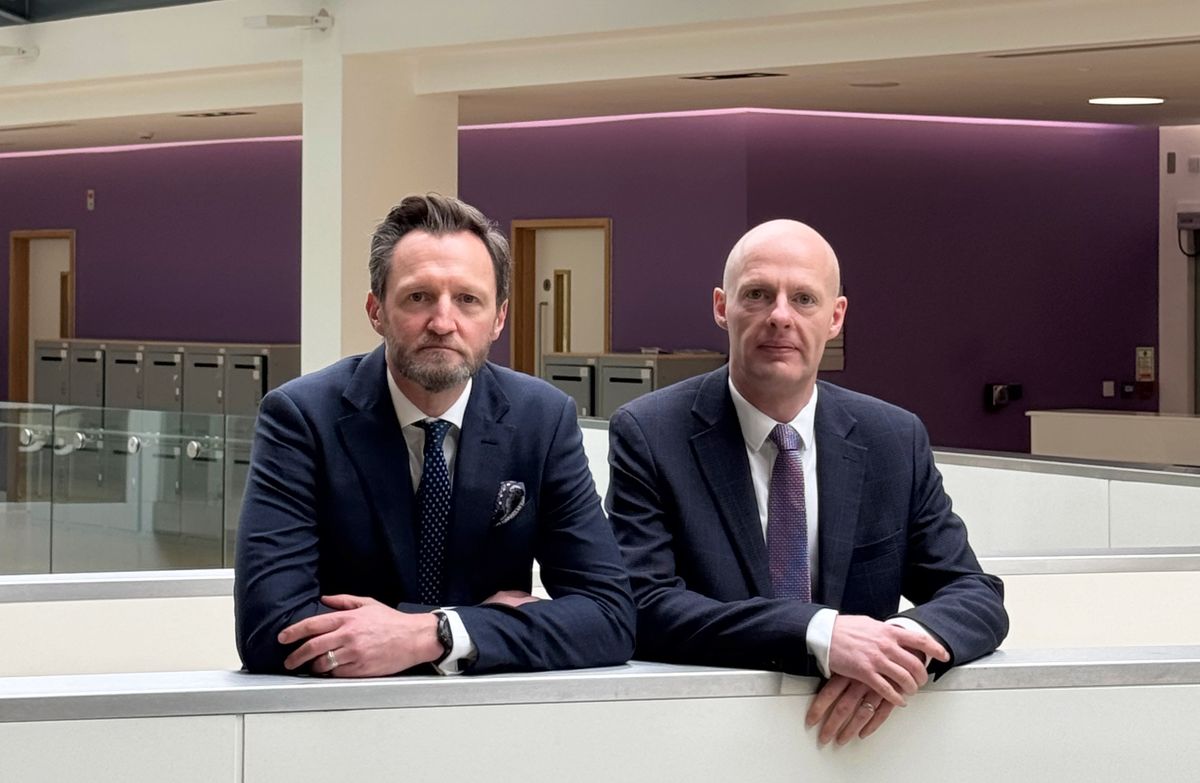
Suffolk County Council has approved plans to appoint two joint chief executives to lead the authority through local government reorganisation, following the departure of current chief executive Nicola Beach at the end of March.

Why it matters: The council will effectively cease to exist in April 2028 as it transitions to unitary government, meaning whoever takes the top job faces an organisation undergoing its most significant transformation in decades, while still responsible for delivering essential services to Suffolk residents.
The details: The Staff Appointments Committee approved the proposal to promote Andrew Cook and Mark Ash on Friday, 20 February.
- Cook will focus on maintaining day-to-day operations, ensuring the council continues to deliver safe, high-quality services whilst managing financial controls and meeting statutory requirements.
- Ash will lead programmes for local government reorganisation, devolution, transformation and change, working with other local authorities and government to shape the design of new unitary local government.
- Both will share equal authority and standing, jointly attending key meetings including full council, cabinet, and scrutiny committees.
By the numbers: Each role carries a basic salary of £185,000 per annum. As neither of the existing executive director positions would be recruited into if the candidates are appointed, the restructure is expected to create a net saving of up to £92,000 annually. Appointing internally is also expected to save between £15,000 and £25,000 in agency and recruitment costs, and means new leaders could be in place within weeks rather than the five to six months an external appointment typically requires.
What they're saying: Council leader Councillor Matthew Hicks said: "Suffolk County Council is facing a critical time over the next two years, with local government reorganisation, devolution and its duties to provide quality services to the people of Suffolk all happening at the same time.
"That is why this proposal has been specifically designed to make the best use of the excellent experience and expertise we already have in the council, which can be implemented quickly and at a significantly reduced cost to the Suffolk taxpayer."
Hicks also paid tribute to the outgoing chief executive: "I'd like to thank our chief executive once again for her hard work and dedication throughout the past eight years. Her expertise and love of Suffolk will be missed, but I am confident this proposal is absolutely right for the county council."
The bigger picture: The decision to recruit internally reflects wider turbulence in the chief executive recruitment market. Local government reorganisation is underway across the country, with many chief executives choosing to wait for opportunities in their own localities rather than accept temporary positions elsewhere. Recent months have seen multiple county councils – including Leicestershire, Lancashire, Lincolnshire, Essex and Hampshire – all appointing chief executives internally after advertising externally, suggesting the external market is not currently strong. Many of those councils also offer higher salaries than Suffolk.
The new joint chief executives will also face an early political test. Following the government's U-turn on election delays – prompted by legal advice and a legal challenge from Reform UK – Suffolk County Council elections will now go ahead in May, just weeks after the new leaders take the reins. The county council had been lobbying behind closed doors for a postponement, with council leader Hicks warning that the reversal makes "delivering one new unitary council for Suffolk more difficult, and three nigh on impossible."
For context: The council's constitution does not currently recognise joint chief executives, meaning a Constitutional Working Group will need to make recommendations to full council to amend it before any appointment can be made.
Under local government reorganisation rules that apply nationally, the chief executive role for any new unitary council must be externally advertised, meaning no current chief executive of any district or county council is automatically appointed to a new authority.
What's next: Both candidates will deliver a joint presentation to a cross-party panel of members demonstrating how they would work collaboratively. Any appointment requires approval from cabinet and full council, which meets on 19 March 2026, before any offer of employment can be made. The appointments would be on a permanent basis, providing stability through to April 2028.
The bottom line: Faced with the dual pressures of major organisational change and the need to maintain essential services – and with local elections now confirmed for May – Suffolk County Council is wagering that two leaders will prove better than one, whilst delivering savings that can be reinvested where they are most needed.
This article cost us ~£40 to produce
It's free for you to read thanks to the generous support of our partners.
Below the line