
Ipswich fails to make City of Culture shortlist
Ipswich.co.uk can exclusively reveal that Ipswich has not made the shortlist for UK City of Culture 2029. The town that was the first in the country to declare its ambition is out, and the questions start now.

The Department for Culture, Media and Sport (DCMS) will announce its shortlist at midday, so we do not yet know which four of the nine longlisted towns and cities have made it. What we do know is that Ipswich is not among them.
It is an outcome few saw coming in the early days of this campaign, when confidence among those who built the Expression of Interest was high and the council had not yet taken the reins. Ipswich was the first place in the country to declare its intent to run. It beat 16 other applicants to a place on the longlist in March. It had the only bid in the East of England, a town with genuine cultural credentials, and a roll call of ambassadors most places would envy.
It has ended with nothing. There is no £10m prize, no year in the national spotlight, and no £125,000 consolation grant for the three most impressive shortlisted places that do not win. The £60,000 development grant Ipswich received in March has been spent on a bid that did not clear the first hurdle that mattered.
Slow out the blocks
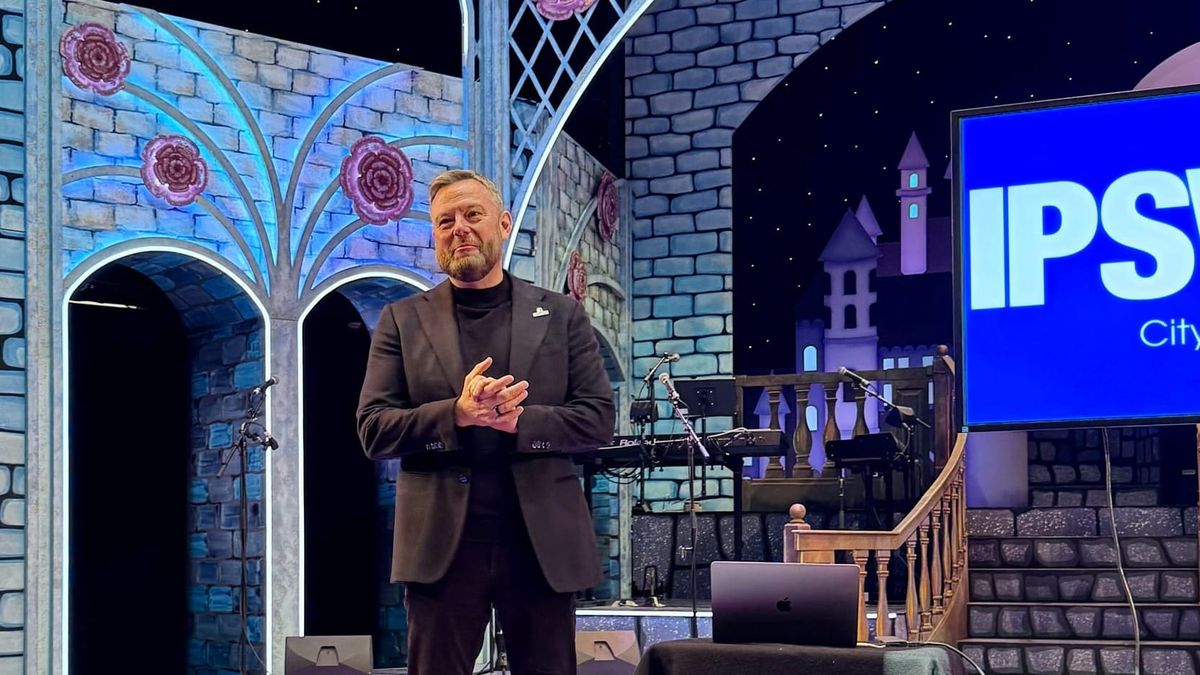
Ipswich Borough Council voted to formally establish the Ipswich Culture Company and take on the role of Accountable Body on Tuesday, 16 June. Bid director Amy Vaughan, a consultant with 25 years in the cultural sector, was announced the same month. The first vision workshop with partners was held at The Regent Theatre on Wednesday, 18 June.
The deadline for full bids was 17:00 on Monday, 10 August.
That left seven weeks to produce a 30-page document answering 37 questions across six aims and 20 criteria, supported by an economic and social outputs datasheet and six appendices covering programme, venues, track record, bidding team, project management, budget and theory of change.
At that first workshop, Vaughan was unable to introduce her team, because no contracts were in place. As this publication reported at the time, the people who would write the most consequential document the town had produced in years had not yet been formally appointed, seven weeks before it was due.
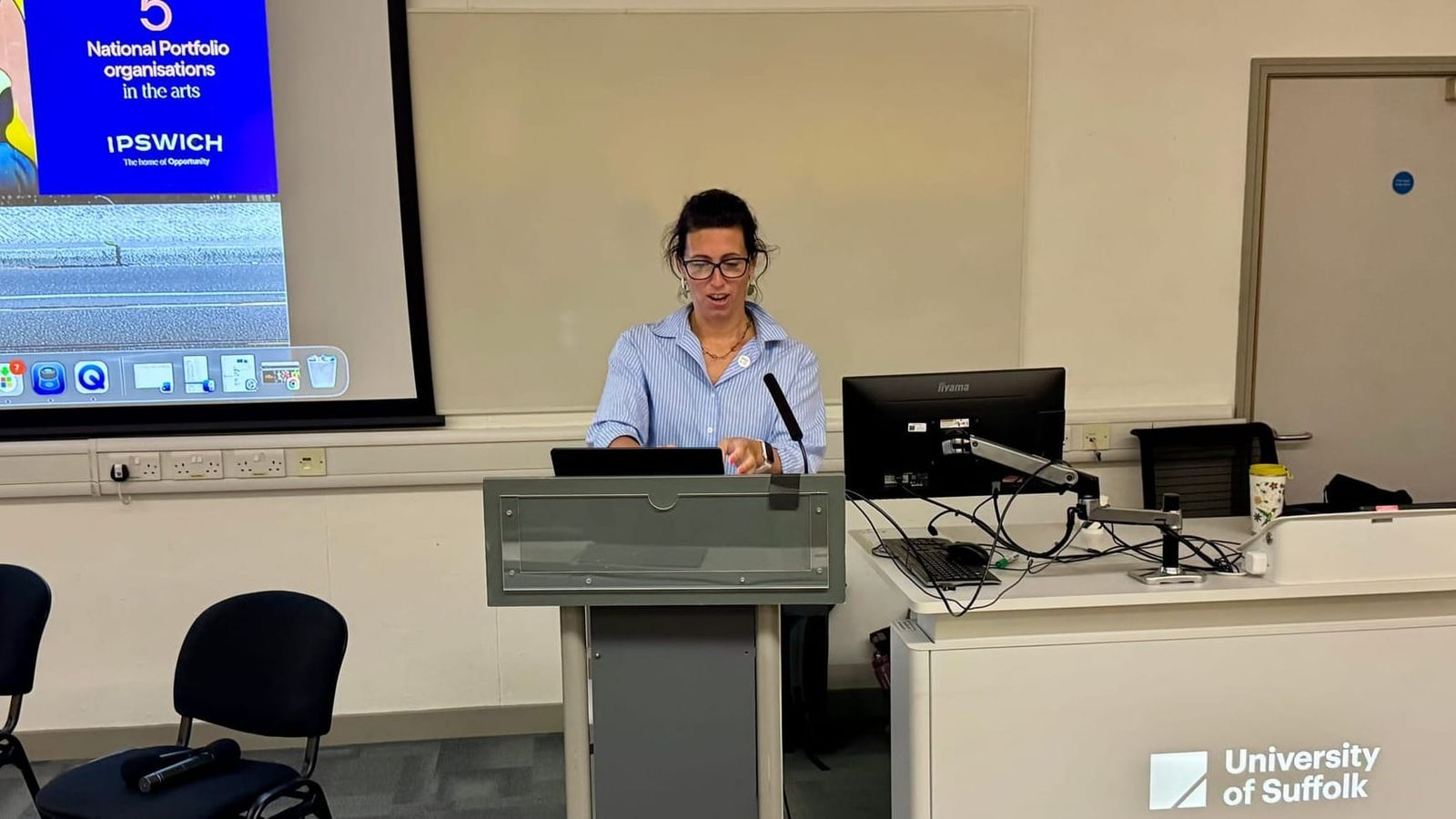
None of that is a reflection on the people who did the work. Vaughan's credentials are considerable: executive director and deputy chief executive at Battersea Arts Centre, nearly a decade at Arts Council England, general manager at Cambridge Junction. By every account, the bid team gave the project everything it had in the time available. The question is why the time available was ever allowed to be seven weeks, when the longlist had been confirmed on 18 March and the deadline had been known since April.
A story that had to carry everything
Panel visits only happen at shortlist stage. That means no judge came to Ipswich. Nobody walked the waterfront, sat in the New Wolsey, toured DanceEast, or stood in a town centre on a Saturday morning. The entire case for Ipswich existed on paper, and the paper had to carry it alone.
The bid was built on three themes, presented to partners at The Regent in June: Ipswich as a historic maritime gateway, shaped by centuries of trade, migration and connection to the wider world; the culture found in the town's everyday communities and their untold stories; and young people, skills and creative career pathways as the engine of the town's future.
They are strong themes. They are also, in their broad shape, themes that other places can and do claim. Portsmouth has a maritime story. Every bidding place has everyday communities and untold stories. And the competition criteria require every bidding place to show how it will increase opportunities for young people to access and participate in culture.
The panel asked for a story unique to the place. Its chair, Sir Phil Redmond, set out guiding principles asking for an authentic voice, big and bold ambition, and a programme that takes the story of a place out to the wider world. Against Sheffield's globally influential music and film culture and Wrexham's Hollywood story, Ipswich needed its themes to feel like nobody else's. On the evidence of the result, they did not.
The town had been told as much. Feedback from DCMS following the Expression of Interest, shown to partners at that June workshop, identified Ipswich's strengths as clear themes, strong sectoral engagement and support, private sector buy-in, and energy and momentum. The areas it identified for development were ambition, scale, impact beyond Ipswich, clarity on what the focus on youth actually meant in practice, and delivery and governance arrangements.
Four of those five are not presentational problems. They are structural ones, and they are difficult to solve in seven weeks.
When the bid's loudest backer became its biggest problem
Five days after Ipswich was named on the longlist, the bid lost control of its own story.
Ipswich Town Football Club was one of the bid's founding sponsors, and no one had championed it more forcefully than chairman and chief executive Mark Ashton. At the launch event at the New Wolsey Theatre in November, he pledged "the full support of the football club, the full support of me, the full support of my manager, the full support of my board, the full support of my players, and the full support of 30,000 people in that stadium every week". He told the room: "We have to do this as one."
 Oliver Rouane-Williams
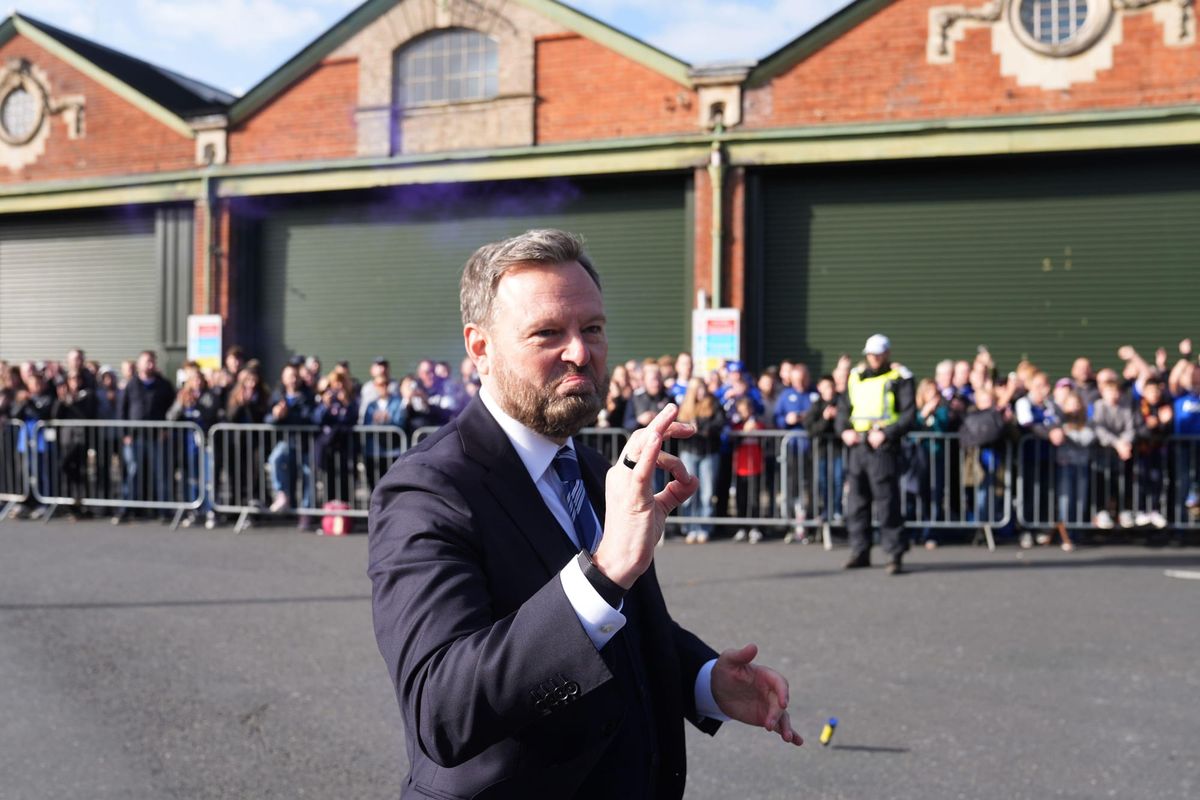
On Monday, 23 March, Nigel Farage visited Portman Road ahead of a Reform UK rally at Trinity Park, posing for photographs in the home dressing room with personalised shirts that were later posted on Reform UK's social media accounts. The club's initial account of the visit was contradicted by subsequent reporting from this publication, the BBC and The Athletic, which reported that Farage had dined privately with Ashton and the club's chief operating officer. Ashton apologised unreservedly four days later for mistakes that had caused "harm and distress" to parts of the local community, and the club's board began a review of how it engages with politicians.
Sources close to the campaign told us at the time that the episode was "hugely damaging" to the City of Culture bid. The reasoning operated on two levels.
The first was identity. Ipswich was asking a national panel to accept it as a diverse, creative and inclusive town, and one of the bid's founding sponsors had spent a week at the centre of a national row about precisely the opposite.
The second was politics. UK City of Culture is a government competition. Bids are assessed by an independent expert advisory panel, but it is DCMS ministers, in a Labour government, who take the final decision at every stage. In the middle of that process, a founding sponsor of Ipswich's bid gave the leader of Reform UK the run of its stadium and the use of its badge, weeks out from May's local elections. The events at Portman Road were noted in Westminster and discussed in the context of the bid.
There is no evidence that any of this bore on the assessment, but it cannot have helped.
The council's media exclusion
In June, the council designated the Ipswich Star and East Anglian Daily Times, both owned by the US media group Newsquest, as the bid's "official media partner". There was no contract, no financial arrangement and no tender process.
When this publication asked for the same designation to be extended to all local media backing the bid, the council declined.
It is not possible to say that excluding some media from the bid cost Ipswich a place on the shortlist. It plainly did not, on its own. But the DCMS criteria are explicit about community cohesion, about empowering local people, and about promotion and partnership. A bid that depends on every local voice pulling in the same direction spent part of its seven weeks managing a public dispute with one of them. That was a choice, and it was avoidable.
A funding model that leaned on business
Match funding carries real weight with DCMS. The guidance asks bidders to set out every funding source by status, from "not yet discussed" through to "committed", and treats private sector backing as evidence that a place can deliver at scale rather than simply talk about it.
 Oliver Rouane-Williams
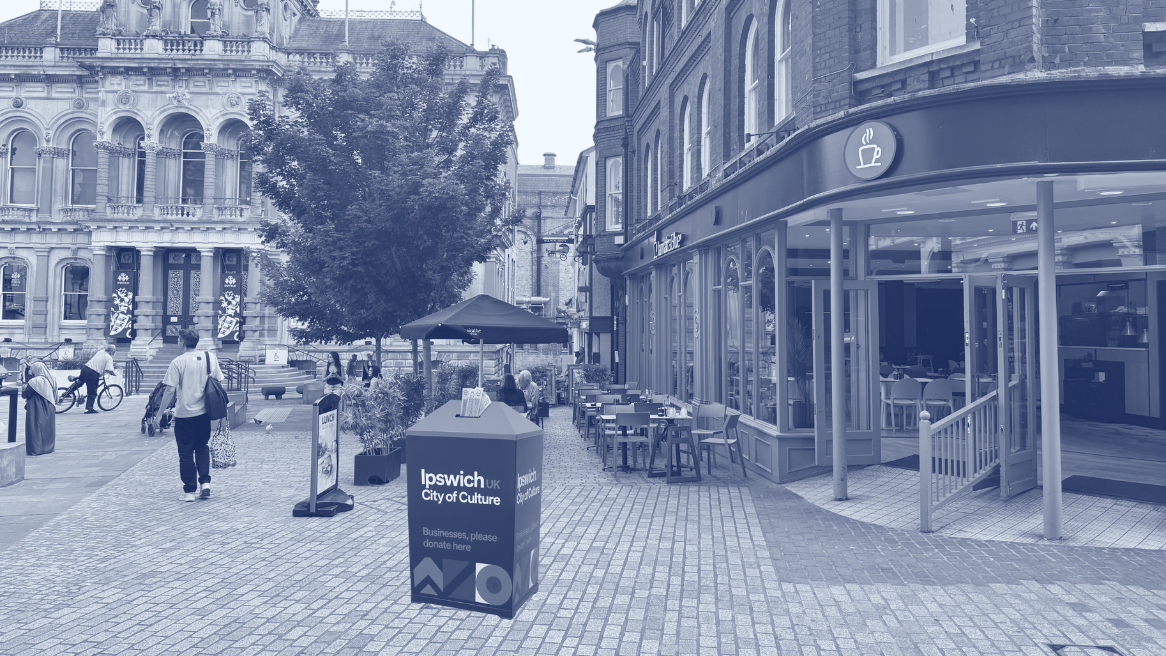
Ipswich leaned heavily on it. Seven days before the deadline, an email landed in business inboxes across the county asking for pledges ranging from £20.29 through the "2029 Club" to sponsorship tiers above £250,000, alongside a long-term Rolling Infrastructure Fund offering undisclosed returns. More than 100 businesses and community champions stepped forward after the campaign's call for support on 4 August.
What has never been disclosed is how much money that represented, or how much of it was recorded in the bid as committed rather than merely discussed.
That matters more now than it did then. Those businesses were asked to back two things at once: the bid itself, and a ten-year culture strategy that would need funding whether or not Ipswich won. The second ask has just become the only ask. The Ipswich Culture Company, funded so far by a £50,000 start-up grant from the council, must now make a case for a decade of investment without the £10m, without the title, without the national attention, and without the economic boost that winning City of Culture brings.
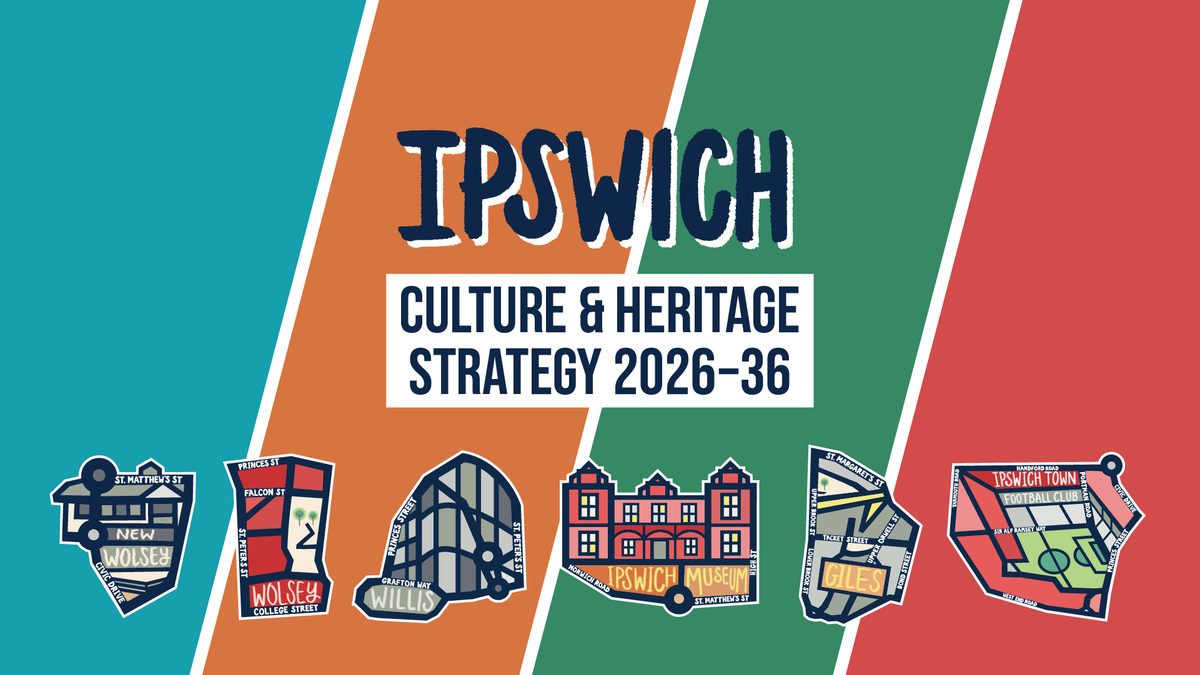
That case begins immediately. The Ipswich Culture & Heritage Strategy 2026-36 launched this morning, setting out five ambitions for the town over the next decade, driven by the arts and heritage collective We Are Ipswich and developed by Amy Vaughan, the same consultant who directed the City of Culture bid. It arrived hours before the town learned the bid had failed. As We Are Ipswich chair Douglas Rintoul put it at the launch: "This strategy belongs to everyone, and no single organisation can deliver it alone."
 Oliver Rouane-Williams
What the judges could see
There is an uncomfortable question underneath all of this, and it is not really about the bid document.
Ipswich asked a national panel to believe that a town could attract an audience of more than three million, deliver world-class projects and build new infrastructure by 2029. Judges assessing that claim from a distance had the council's own record to weigh it against.
They also had a bid lacking the coalition that created it. The Expression of Interest that earned Ipswich its longlist place was built by a cross-party, cross-sector group of political, business, cultural and civic leaders. The full bid was written by a team that operates independently of the council, but one the council appointed, and one whose creation the council's chief executive, Helen Pluck, was central to. By the time that document was being written, the original coalition was largely no longer at the table.
The question was never whether Ipswich has culture. It does – bags of it. It was whether the towns and cities asking for the title looked ready to deliver a year of it. On that, the panel has given its answer.
The bottom line
More than 1,000 people had their say on this bid. Twenty-three ambassadors put their names to it, from Ed Sheeran to Fabio Wardley. More than 100 businesses backed it. A bid director with a serious track record worked seven weeks to deliver a document that ordinarily takes much longer. Nobody involved in writing it can be accused of a lack of effort.
But effort was never the test. Ipswich was asked to show a national panel that it could turn ambition into delivery. It appointed late, it wrote fast, it fell out with its own media, and it watched its loudest champion become a national story for the wrong reasons.
Mark Ashton told a packed New Wolsey Theatre last November that if Ipswich was in it, it was in it to win it. The town was in it. It did not win it. What happens to the ten-year strategy, the Culture Company and the businesses that pledged to both is now the only part of this story still being written.
Ipswich Borough Council and the bid team were approached for comment prior to publication. Their responses will be added to this article in full. The DCMS are expected to announce the shortlist at midday.
Don't forget: If you enjoy our content, please add Ipswich.co.uk as a "preferred source" on Google so you can easily find more of the content you value.
This article cost us ~£186 to produce
It's free for you to read thanks to the generous support of our partners. Please support us by supporting them.
Below the line