
Could the defence budget raid derail Copdock Interchange improvements?
The government's £15bn defence spending boost is being funded partly by raiding road budgets. Could Suffolk's most congested junction end up paying the price?

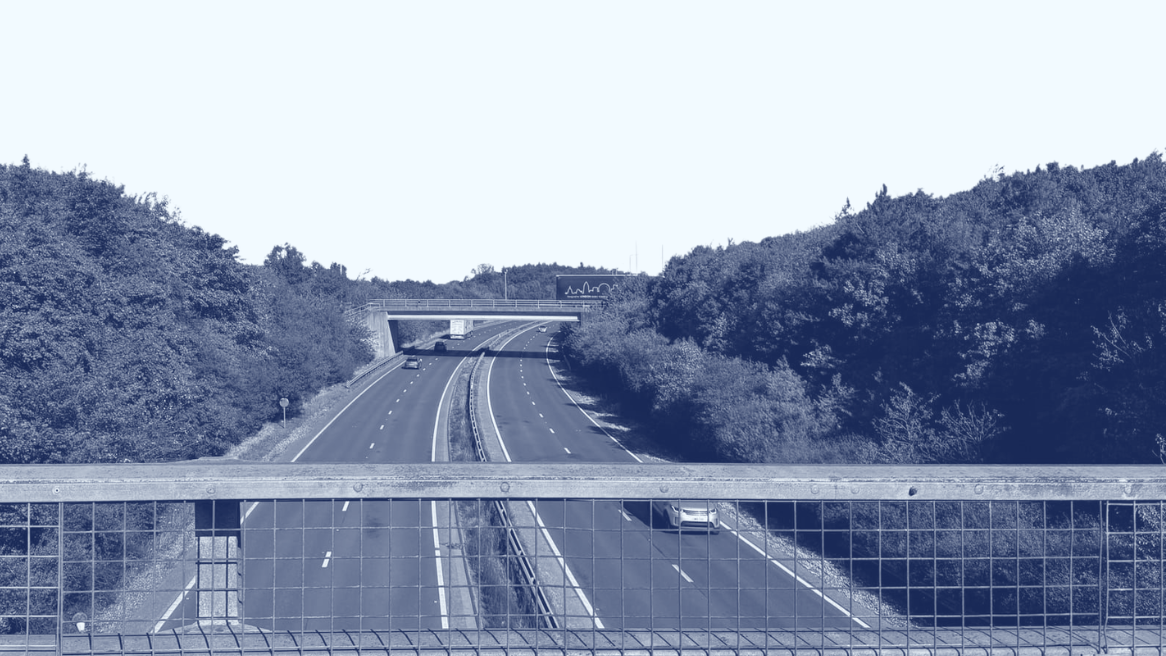
The Copdock Interchange has waited years for a firm commitment. Now, a new question hangs over it: does the government's Defence Investment Plan (DIP), published this week, put that wait at risk of stretching further still?
Where the defence money is coming from
Prime Minister Sir Keir Starmer confirmed a £15bn increase in defence spending over the next four years, part of a wider plan to raise military funding to £80bn a year by 2029. The government has ruled out further borrowing to pay for it. Instead, Chancellor Rachel Reeves has found the money by cutting departments' long-term investment budgets by one per cent across the board, alongside a series of other measures.
Among them: £700m in savings from road projects, identified by the Department for Transport, that is expected to come specifically from scrapping the A38 Derby junctions and A46 Newark Bypass schemes.
Ipswich MP Jack Abbott sees no cause for concern at this moment in time. He points out that the £700m relates to two RIS3 schemes with no connection to Suffolk, and that the government's overall road investment settlement remains, in his view, one of the largest in years. Abbott also notes that Copdock's move from RIS3 to RIS4 was a decision taken under the previous government, and that this year's announcement on the scheme's progress gives him confidence it remains on track; nothing in his ongoing conversations with the department suggests otherwise, and he cautions against reading too much into two unrelated road schemes being cut to fund the DIP.
However, the Treasury has so far confirmed only £10.3bn of the full £15bn in savings, with the remaining £4.7bn to be set out at the autumn Budget – a Budget that, following Starmer's departure, will not be delivered by the ministers who announced the DIP in the first place.
'We've been here before'
Copdock's journey has already been a slow one. Under the third Road Investment Strategy (RIS3), which runs from April 2026 to March 2031, the interchange was earmarked for continued development but not delivery, with no guaranteed funding. That work is now due to feed into the fourth Road Investment Strategy (RIS4), where Copdock is one of only five schemes nationally – a stronger position than it has held for years, but still short of a funding commitment.
Paul Simon, the Suffolk Chamber of Commerce's head of public affairs and strategic communications, believes the DIP's funding arrangements represent a genuine threat to Copdock and to another Suffolk scheme, the A11 Fiveways roundabout near Mildenhall – both of which are earmarked for feasibility work over the next five years, but neither of which has committed funding.
Issuing a statement in response to the DIP, Simon said: "We've been here before: but it doesn't make the threat any less of a concern. The last decade has been defined by key road and rail infrastructure investments in Suffolk being pulled and the interests of local, regional and indeed national economic growth being sacrificed to other priorities.
"Even before the £5bn of unfunded projects was revealed, the Prime Minister's announcement that elements of the Defence Investment Plan would be financed through scrapping transport and energy projects that are not 'immediately vital' has generated uncertainty as to whether long-delayed road and rail infrastructure projects in Suffolk and the east of England will once again be delayed and spiked.
"Suffolk Chamber of Commerce is especially concerned that two key roads projects in the county – the Copdock Interchange and the A11 Fiveways roundabout – whose feasibility studies were earmarked for being worked up over the next five years may well be dropped, unless our MPs, council leaders and business community come together and advocate for their retention with conviction.
"That is why we have written to them to help us ringfence these projects for further investigations at least to an outline business case stage. We need our political leaders to come together and ensure that the Treasury and the Department for Transport don't back track on either of these projects. After all, ensuring the economic security of the nation should form a key part of the government's wider strategy, and both those projects, but especially that earmarked for Copdock Interchange, will ensure that Britain's premier international trade route is able to function efficiently and effectively over the decades to come."
A question worth continuing to ask
The picture, then, is a mixed one. On one hand, the £700m identified in road savings so far can be traced to two named schemes with no connection to Suffolk. On the other, the Suffolk Chamber of Commerce says the wider pattern of infrastructure funding being redirected elsewhere is cause for real concern, and has gone as far as writing to the county's political leaders asking them to fight for the scheme's retention.
Compounding that uncertainty, £4.7bn of the DIP's £15bn increase remains unfunded, to be confirmed at a Budget that a new prime minister and chancellor will have to deliver. The Ministry of Defence's own plan also assumes £10.7bn in "efficiencies" by 2030, with limited detail on how those will be found, and an assumption that defence will be a priority at the next spending review – potentially at other departments' expense.
Suffolk County Council's cabinet is due to receive a broader options report on A14 and Orwell Bridge capacity in September, though that work concerns the wider road network rather than Copdock specifically. A council spokesperson said "it is awaiting further clarification on whether the status of Copdock may be affected in any way."
 Oliver Rouane-Williams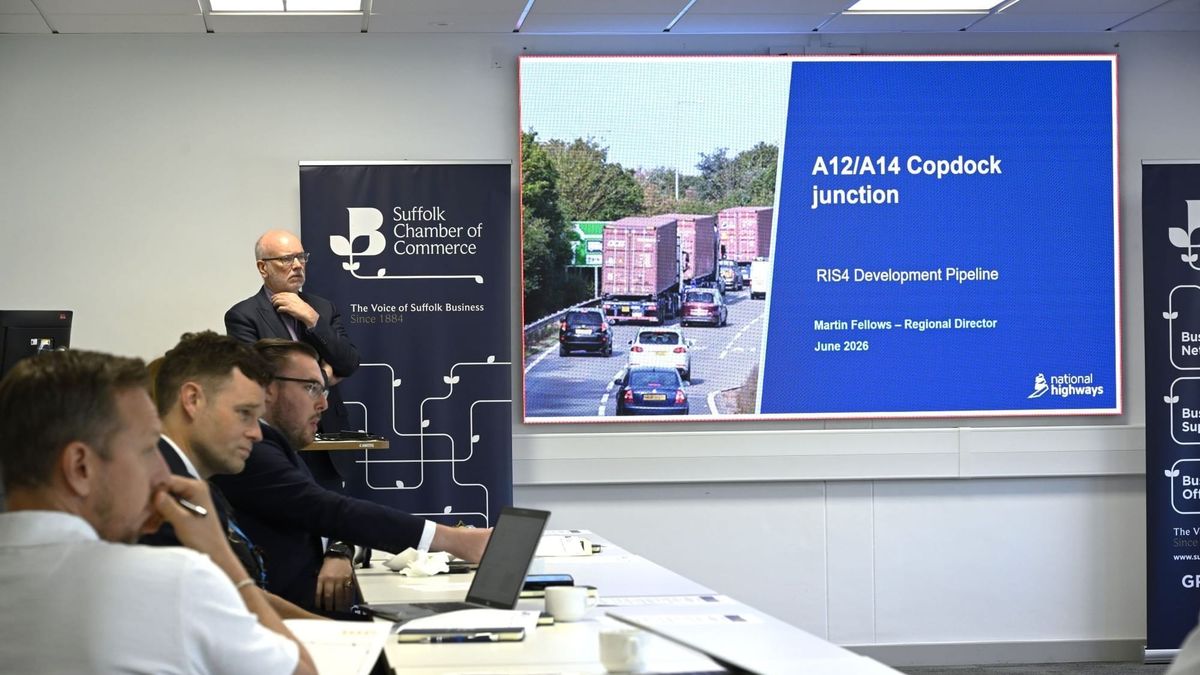
The bottom line
There is, for now, no direct evidence that the £700m identified in the DIP's road savings touches Copdock, but Suffolk has watched as infrastructure investment has been pulled before. With the DIP's finances still incomplete and defence now the government's declared top priority, the pressure on schemes like Copdock is unlikely to ease. Whether Suffolk's political and business leaders can secure it a firmer footing is the question that matters now.
Don't forget: If you enjoy our content, please add Ipswich.co.uk as a "preferred source" on Google so you can easily find more of the content you value.
This article cost us ~£71 to produce
It's free for you to read thanks to the generous support of our partners. Please support us by supporting them.
Below the line