
Why Ipswich is bidding to become 2029 City of Culture, not 2028 Town of Culture
The government has launched the first-ever UK Town of Culture competition for 2028, one year before Ipswich hopes to be crowned UK City of Culture. We explain why Ipswich is pursuing City of Culture, despite being, as many have pointed out, a town.

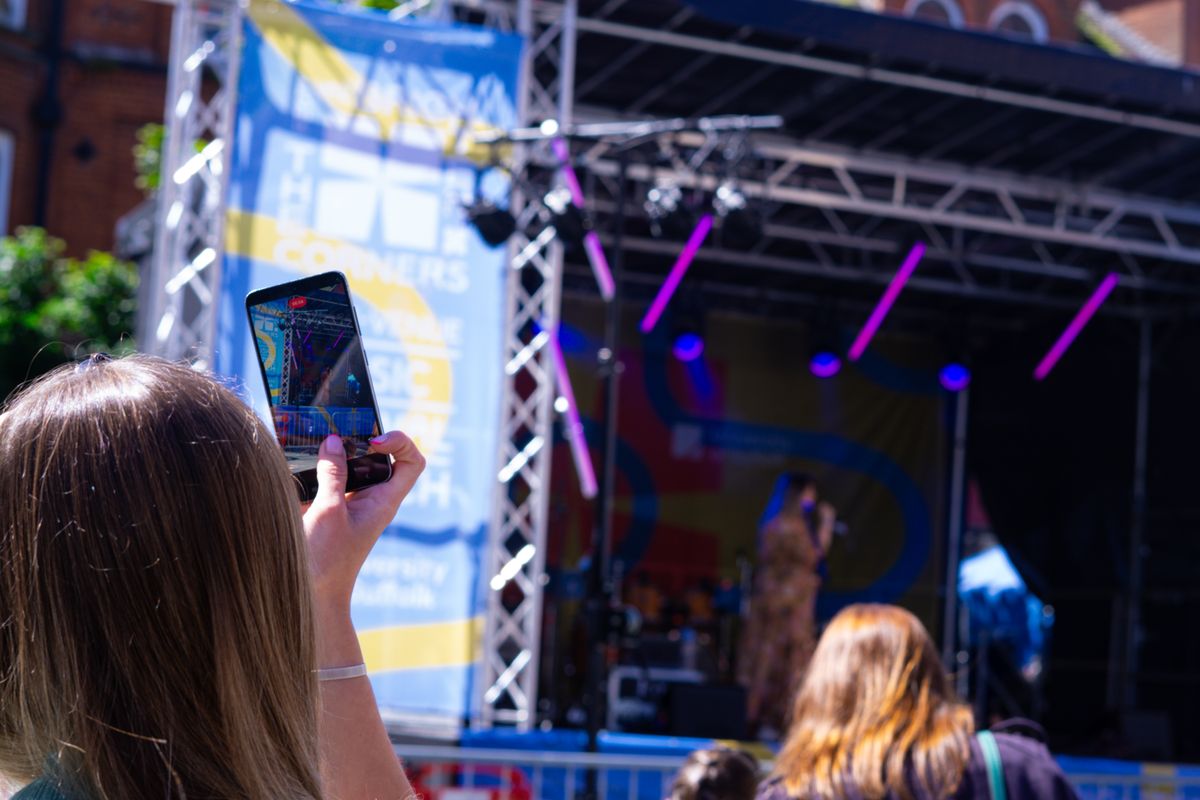
Why it matters: The announcement comes just days after Ipswich launched its #BackTheBid campaign on 9 January 2026, urging residents, businesses and organisations to support the town's bid to become 2029's City of Culture.
It was expected by those close to the process that the government would limit the Town of Culture competition to towns with populations under 80,000, which would have excluded Ipswich.
However, the government announced on Wednesday, 14 January, that large towns with populations over 75,000 would now be eligible, meaning Ipswich now qualifies for both competitions, and causing some confusion.
The details: Culture Secretary Lisa Nandy announced on Wednesday, 14 January that towns across the UK can now apply for the first UK Town of Culture 2028 title, with applications open until 31 March 2026.
- The competition is open to small, medium and large towns, with large towns defined as those with populations over 75,000.
- The winner will receive £3 million, while two runners-up will each receive £250,000. Three finalists – one small, one medium, one large town – will be chosen. It is expected to be a fiercely competitive process.
- This differs from earlier expectations that the competition would be capped at towns with populations of 80,000, which would have ruled Ipswich out of contention.
Why Ipswich is pursuing City of Culture: There are several reasons why Ipswich is pursuing 2029 City of Culture over 2028 Town of Culture:
- Firstly, it believes it can win. Despite the usual barrage of negativity surrounding its bid, Ipswich punches way above its weight as a town and has the credentials to challenge for City of Culture.
- Secondly, the City of Culture competition offers a significantly larger £10 million prize compared to the £3 million Town of Culture award. The impact of a £3m prize will be quickly diluted in a town the size of ours.
- City of Culture is also expected to have a much smaller number of entrants, thus – in theory – increasing the town's chances of progressing through the competition and, ultimately, winning.
- Finally, Ipswich is a big town. Despite being cities, several of the other known entrants for City of Culture are a similar size or considerably smaller than Ipswich. For example, Ipswich's population is significantly higher than Wrexham's, which has a built-up area population of just 44,785, rising to 135,117 when you include the wider county borough, which also includes surrounding villages and rural areas.
The big picture: The UK City of Culture competition has proven transformative for previous winners. Bradford, the current title holder, is projected to benefit from £389 million in growth, with city centre footfall up 25% during its year in the spotlight. Early estimates show audiences for its City of Culture programme exceeded three million, with 80% of local residents surveyed saying it improved their wellbeing and made them feel proud of where they live.
What's next: Ipswich's Expression of Interest for City of Culture 2029 is due on 8 February 2026, with DanceEast leading the bid development. The longlist will be announced in February 2026, with each longlisted bid receiving £60,000 to help develop its full application. The shortlist will be announced in summer 2026, with the winner announced in winter 2026.
The Town of Culture competition shortlist is expected to be announced in spring 2026, with each shortlisted town receiving £60,000 to help deliver their full bids.
The bottom line: While Ipswich now technically qualifies for both competitions, the town is expected to continue with its City of Culture 2029 bid, which offers more than three times the prize money and has already secured significant local backing, despite some confusion created by the government's announcement that all towns will now be eligible for the 2028 Town of Culture competition.
This article cost us ~£67 to produce
It's free for you to read thanks to the generous support of our partners.
Below the line