
Ipswich's high street: More visitors, new habits, old questions
More people are visiting Ipswich town centre than at any point since just before the pandemic. But behind the headline figure lies a more complex story of shifting habits, squeezed spending power, and fundamental questions about what the high street is really for.

From empty streets to full recovery
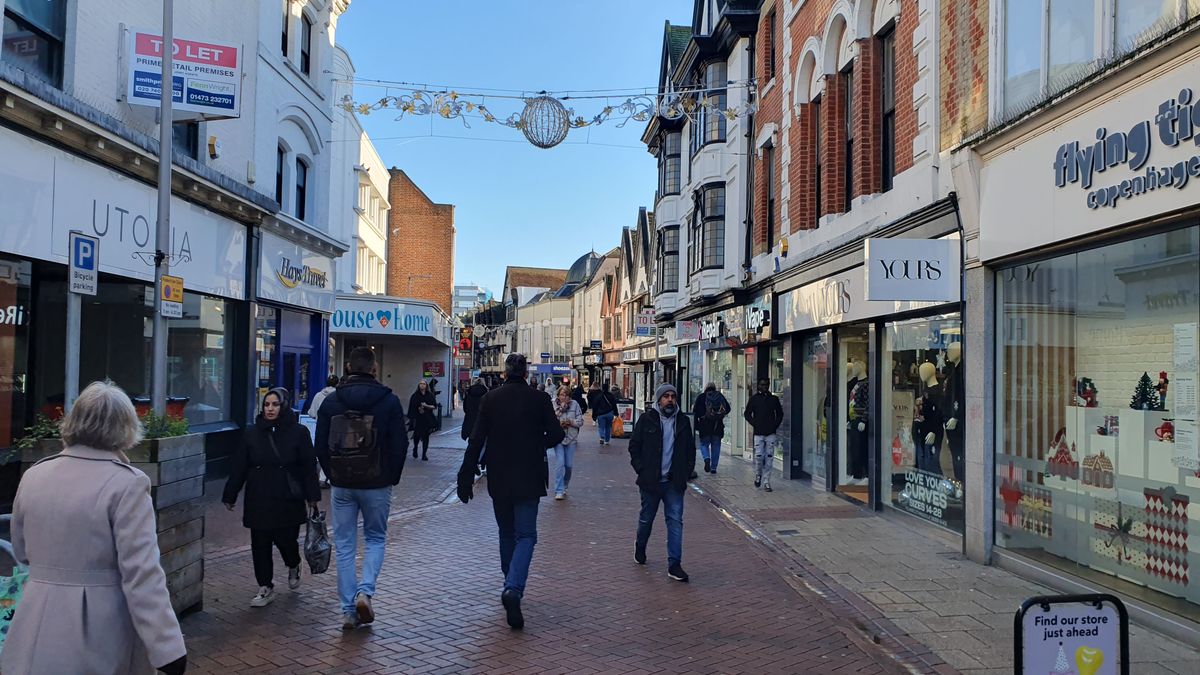
The headline is genuinely impressive. In 2025, an average of 78,523 people passed through Ipswich town centre every day – up 19% on the 65,933 daily average recorded in 2019, the last full pre-pandemic year.
To understand what that figure represents, it helps to trace the journey that led to it. When the first lockdown hit in 2020, footfall collapsed by 52% almost overnight. The years that followed were a slow, uneven crawl back: a modest 5.5% recovery in 2021, a sharp 61% rebound in 2022 as restrictions lifted, then two years of steadier, more sustainable growth of 16% and 6% respectively. Last year brought another strong jump of nearly 19%, pushing footfall decisively above pre-pandemic levels for the first time.
It is, by any measure, a recovery story. But Lee Walker, chief executive of Ipswich Central, the town's business improvement district, cautions against reading it too simply.
"Covid reminded us all that we are inherently social creatures," he says. "If we actually think about town centres across all human history, they were social meeting places first and commerce centres tangentially. The businesses that are proving most successful right now are those that are embracing that change."
In other words, the people coming back to Ipswich may not be coming back for the same reasons they came before – and that distinction matters enormously for the businesses that serve them.
A very different week
Perhaps the most revealing shift hidden within the data is not the overall increase in footfall, but when that footfall is happening. In 2019, weekday and weekend visitor numbers were almost identical: 65,736 per day Monday to Friday, and 66,427 at weekends. By 2025, that near-parity had been replaced by a striking gap. Weekdays now average 82,416 daily visitors; weekends just 68,754 – a difference of nearly 20%.
There is undoubtedly many facets to this, but part of the explanation is the widespread adoption of hybrid working. Where commuters once left Ipswich each morning for offices outside the town, many now stay local for part of the week, using the town centre for coffee, errands, lunch, and leisure in ways that were simply not part of the daily pattern before 2020.
Walker sees this as an opportunity as much as a challenge. "In a town with a significant community population, the shift away from five days a week in your office means that people are using their local centre differently and embracing that flexibility across their week," he says. "The opportunities are for us all to think about our offer across a seven-day calendar, not just a condensed weekend programme."
For businesses that have long oriented themselves around Saturday trade, that is a meaningful prompt to rethink their model. The town centre that once needed to pack its footfall into two days now has the chance to spread activity more evenly – but only if the right offer exists to capture it.
The town that goes quiet after dark
Not every trend in the data points upward. While total footfall has grown strongly, the share of visitors coming into town after 18:00 has contracted. In 2019, the evening period accounted for 18% of all footfall; by 2025, that figure had slipped to 16%. The lunchtime window of 12:00 to 15:00 remains the busiest part of the day in both years, underscoring that Ipswich is increasingly a town people visit during daylight hours rather than after dark.
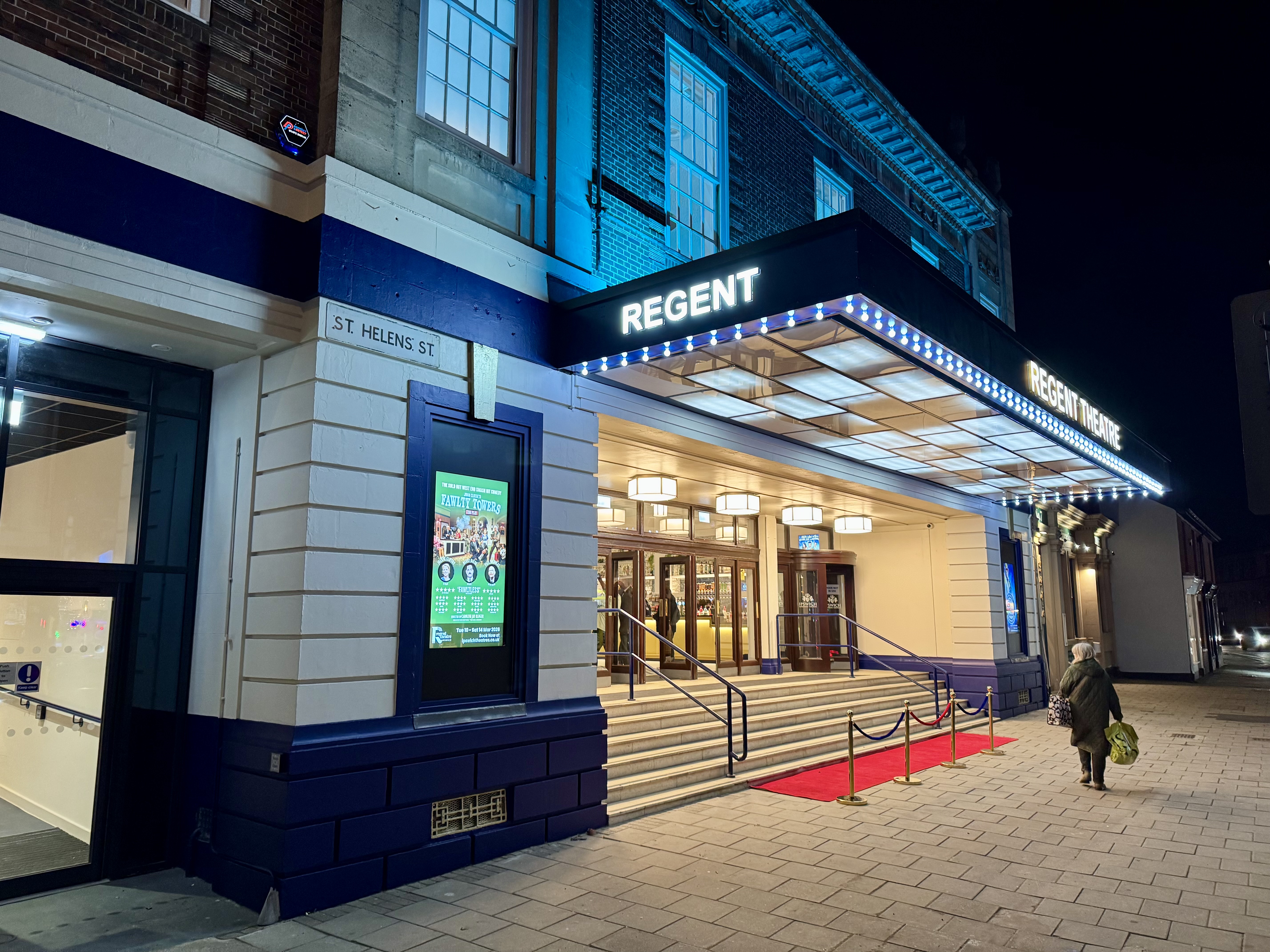
Ipswich has in recent years has gained a reputation for being unsafe at night – a reputation often seeded and reinforced by a small vocal minority's opinions on social media rather than facts.
Add to that, that consumer habits have changed and the cost of living crisis has made discretionary evening spending — a restaurant meal, a round of drinks, a night out — feel less affordable for many households, and it's perhaps not a surprise that our evening footfall is down.
But Walker also points to a structural shift in how people approach evenings out, which he believes demands a different kind of response.
"We need an event-driven evening and night-time economy offer," he says. "We are seeing trends nationally where people are going out less frequently, but when they are going out, it is for experiences they have pre-planned and pre-chosen. If we create those reasons, people will come."
He points to the recently announced Brighten the Corners All Dayer music festival, which will bring live music into seven venues from midday to midnight, as exactly the kind of anchor event our nighttime economy needs. The thinking is that passive retail and hospitality will not draw people out in the evening; deliberate, curated experiences will.
More feet, less money?
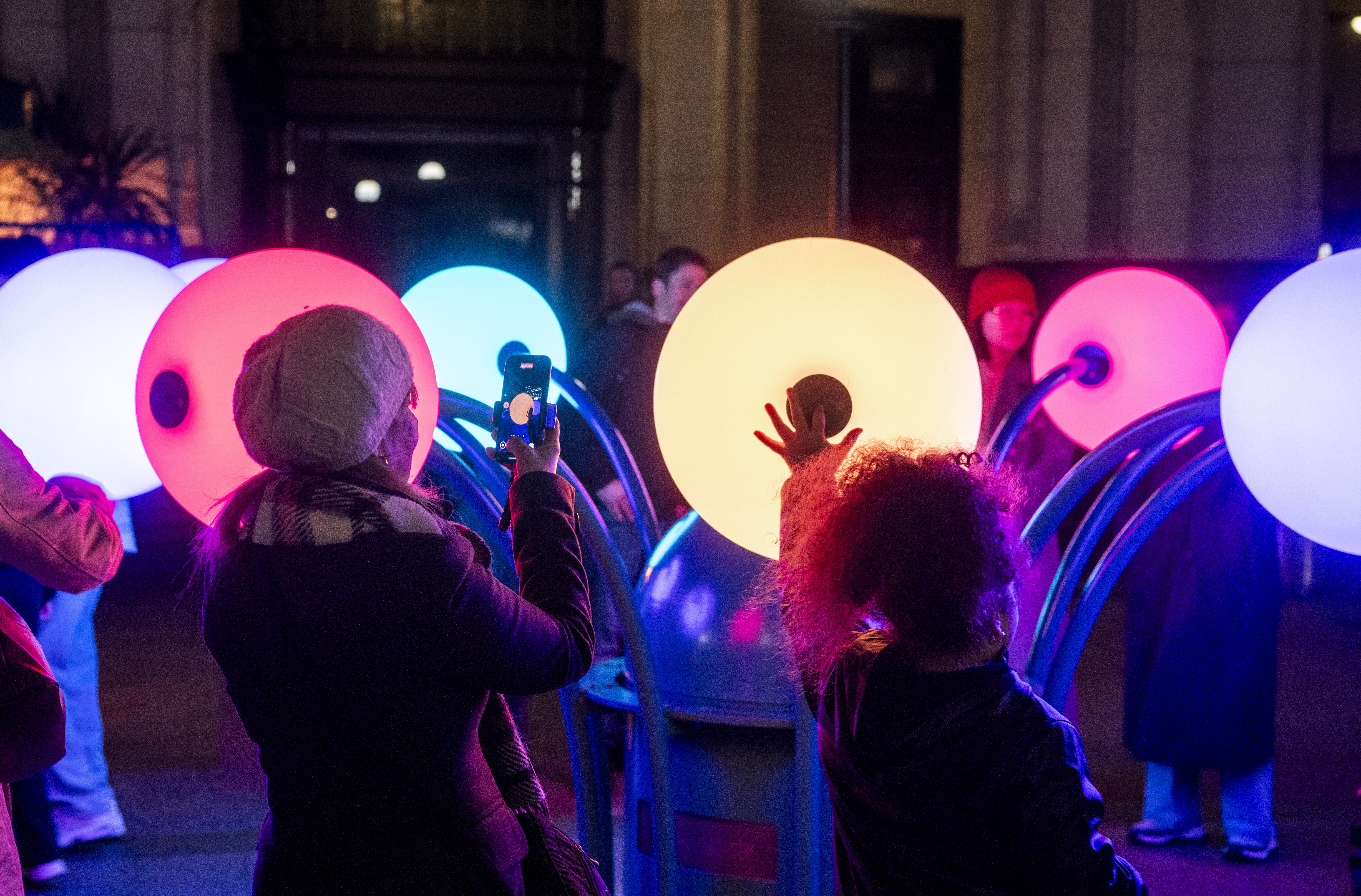
The 19% footfall increase is a number that requires context. Footfall measures physical presence, not economic activity, and the two are not the same thing, particularly in an era of persistent cost of living pressure.
Since 2019, UK inflation has significantly eroded household spending power. While some of that ground has been clawed back through wage growth, many residents are still navigating higher mortgage payments, elevated energy bills, and rising food costs. More people walking through the town centre does not automatically mean more money being spent there.
Walker acknowledges this tension. "One inevitably has to come before the other," he says, "but we have to believe that as more people return, more money will be spent."
His optimism is grounded partly in a specific development. Technology company Halo is in the process of transitioning its head office to Ipswich, bringing with it 300 people — a figure we know the company wants to increase to at least a thousand people. "That is 1,000 people with careers, not just jobs, enjoying our town centre every day," he says. New, well-paid employment in the town centre would add meaningful spending power to the footfall figures in a way that passive recovery alone cannot. Halo's pending move to the town has the potential to transform the town centre's economy over the next few decades.
What kind of town is Ipswich?
Research by the Institute of Place Management identifies four broad types of town centre, each defined by when and why people visit. Comparison towns are dominated by retail chains and peak sharply at Christmas. Holiday towns boom in summer. Speciality towns draw visitors for heritage and independent experiences. Multifunctional towns serve a mix of everyday needs – work, services, convenience – with consistent footfall year-round.
Ipswich's data suggests it sits firmly in the multifunctional camp, but with nuance. Its weekday dominance and lunchtime peak point to a town that functions as a daily hub for working and resident populations rather than a weekend retail destination. Yet its December figures – which show some of the highest daily counts of the year – suggest lingering comparison-town characteristics when the Christmas shopping season arrives.
Walker is unapologetic about what Ipswich offers, and pushes back on the idea that the town lacks a compelling identity. "I would genuinely challenge anyone to show me a town of our size and geography with a better offer of independent shops from Coes to Threads for All, or bars from Isaac's to the Arbour House, or culture from Wolsey to Sheeran," he says. "We have all heard people stand on the waterfront and say 'this doesn't feel like Ipswich' – our response should always be, but it is!"
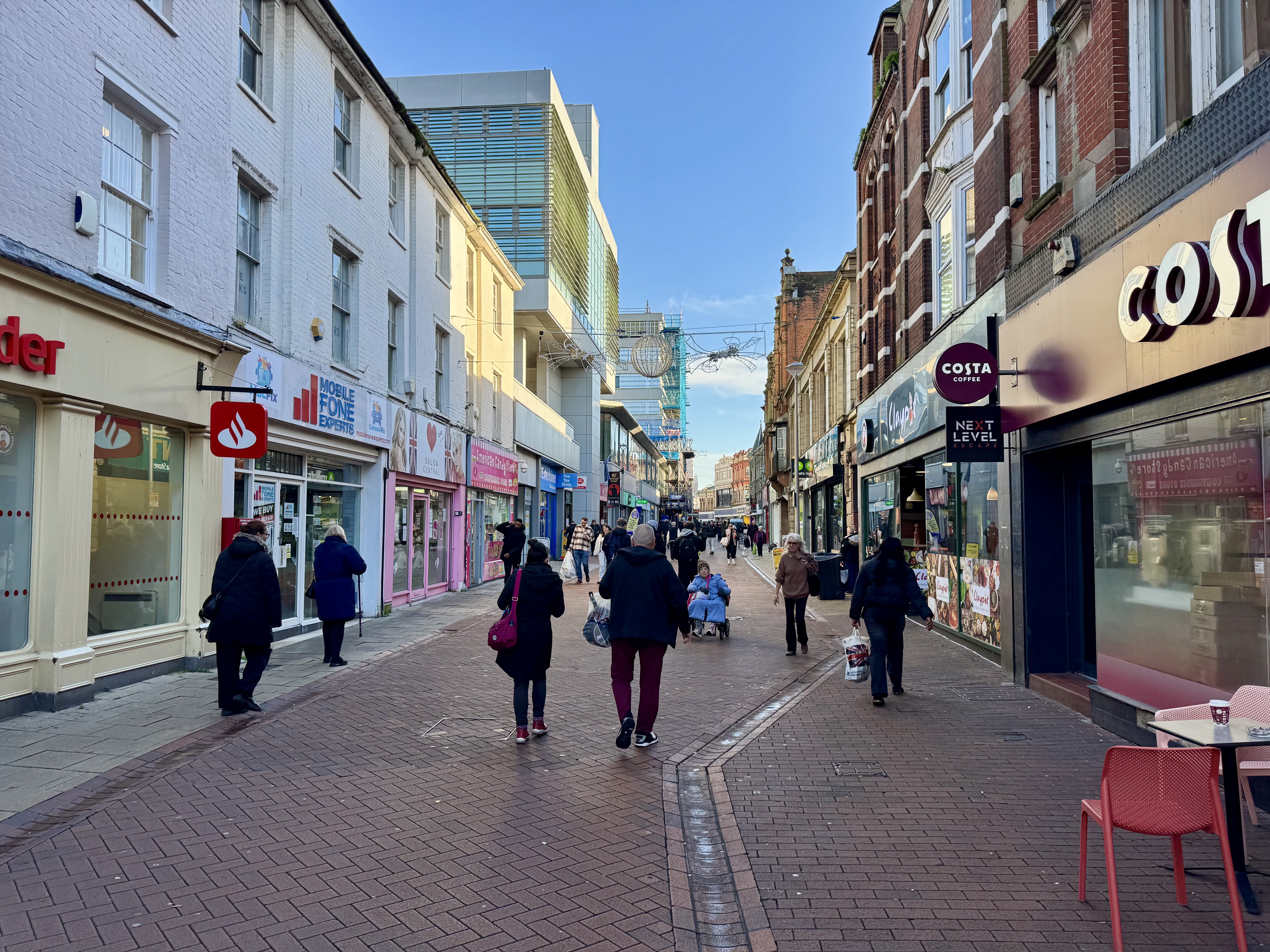
That confidence does not mean he is blind to the weaknesses. He is candid that parts of the town centre are no longer fit for purpose and need a fundamental rethink. Carr Street, he suggests, might better serve the town as residential space than retail. "We need to be honest and say they need a new purpose," he says. It is a view increasingly shared by planners and economists nationally: the high street of 2030 will need homes, community space, and public services as much as it needs shops.
It is perfectly plausible that Ipswich's high street must shrink in order to grow.
The bottom line
Ipswich's footfall recovery is real, sustained, and worth celebrating. After the devastation of 2020, getting more people back into the town centre than were there before the pandemic is no small achievement. But the data tells a more complicated story than a single headline figure can contain – one of changing habits, quieter evenings, and an economy still adjusting to what people actually want from their high street.
As Walker puts it: "As sure as night follows day, where footfall rebounds and grows, businesses look to provide products and moments for those people to enjoy." The feet are back. The task now is to give them a reason to stay – and to spend.
This article cost us ~£108 to produce
It's free for you to read thanks to the generous support of our partners.
Below the line