
Why Ipswich can't say no to the 24-hour gambling dens plaguing its high street
The approval of Admiral Casinos' 24-hour licence is the latest example of how gambling laws written in 2005 have created a system where councils must approve what communities don't want.

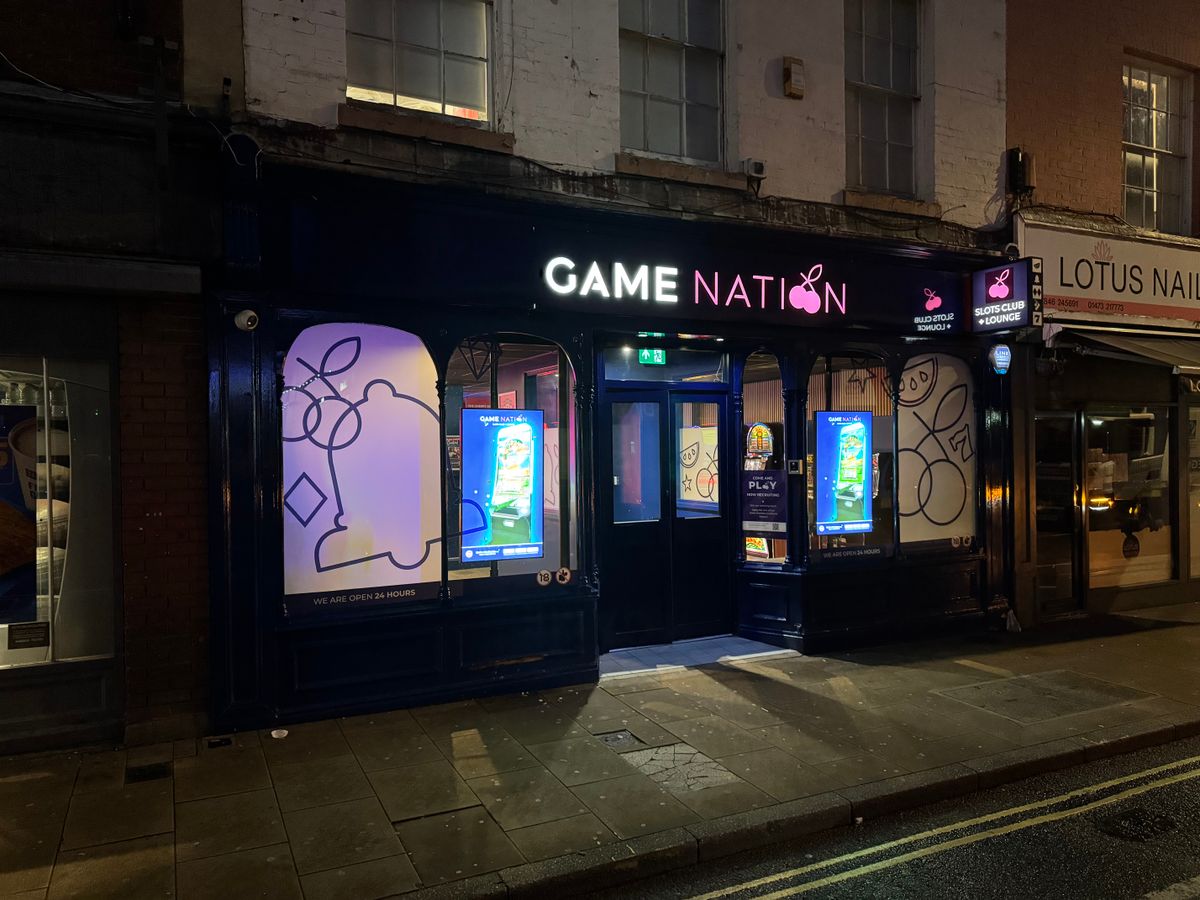
Wednesday's planning committee meeting laid bare a fundamental problem with how we regulate the "adult gaming centres" taking over our high streets. Councillor Jane Riley stood up for her constituents, warning that a fourth 24-hour casino would harm vulnerable people. Planning officers acknowledged her concerns. Then they approved it anyway.
This wasn't incompetence or indifference – it was the law working exactly as designed. The 2005 Gambling Act includes an "aim to permit" clause that requires councils to favour approval unless they can prove harm. In practice, this means the operators hold all the cards whilst communities are left to prove a negative.
An impossible burden of proof
The Admiral Slots application perfectly illustrates this rigged game. The venue already had a 24-hour premises licence from November 2022 but was restricted to 07:00-00:00 hours by planning conditions. The company simply had to show no noise complaints had been received – a remarkably low bar for operating gambling machines around the clock in a town centre.
Meanwhile, residents and councillors opposing the venue faced an impossible burden of proof. How do you demonstrate that vulnerable people will be harmed by 24-hour access to machines designed to be addictive? How do you quantify the social cost of clustering four always-open casinos within walking distance of each other?
A national problem
This isn't just an Ipswich problem. Across England, councils are watching helplessly as adult gaming centres proliferate in their most deprived areas. The Guardian reported that betting and gaming revenues hit a record £11.5bn last year, with adult gaming centres contributing £623m – up 11% in just one year.
Andy Burnham, Mayor of Greater Manchester, captured the frustration perfectly: "These are high-stakes gambling venues, often open around the clock, targeting some of the most vulnerable in our communities." Yet when councils try to protect those communities, they find themselves constrained by laws written for a different era.
The fight for reform
More than 30 councils, led by Brent and backed by Labour MPs, are demanding reform of the "aim to permit" rule. A recent government white paper on devolution hints at giving councils stronger licensing powers, but campaigners fear these measures may be watered down or dropped entirely.
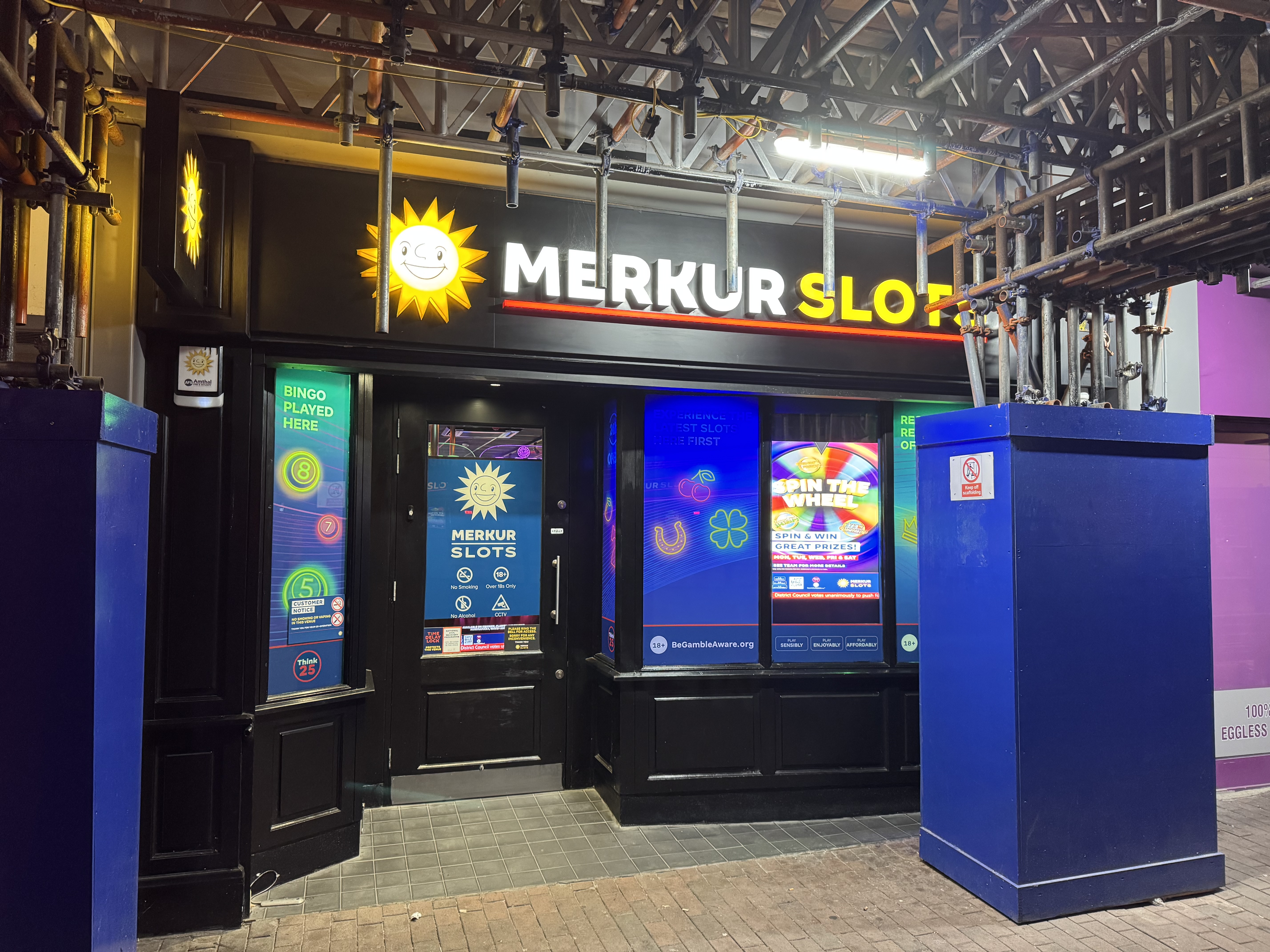
The trade body Bacta warns that changing the rules would create "legal uncertainty" for businesses. But what about the moral certainty that communities should have a meaningful say in what happens on their high streets?
A flawed system that misses the real issue
Not all gambling is inherently harmful, and adult gaming centres do operate within legal frameworks with age restrictions and some consumer protections. Planning officers were technically correct that no evidence of specific harm had been documented from this particular venue.
But this misses the point entirely.
The current system forces councils to wait for harm to occur before they can act, rather than preventing it in the first place. It prioritises the profits of gambling operators over the wellbeing of communities.
Ipswich now has four 24-hour gambling venues clustered in its town centre, not because residents want them, but because 20-year-old laws make it nearly impossible to say no. Until we reform these rules, communities across Britain will continue to watch powerlessly as their high streets are colonised by an industry that thrives on addiction and despair.
Don't forget: If you enjoy our content, please add Ipswich.co.uk as a "preferred source" on Google so you can easily find more of the content you value.
Local journalism is expensive to produce
It's free for you to read thanks to the generous support of our partners. Please support us by supporting them.
Below the line