
Ipswich councillors back 1,000-home plan despite £4.7m school funding row
Ipswich Borough Council has approved plans for up to 1,020 homes at Red House Farm despite Suffolk County Council's formal objection over a £4.7 million shortfall in education funding.


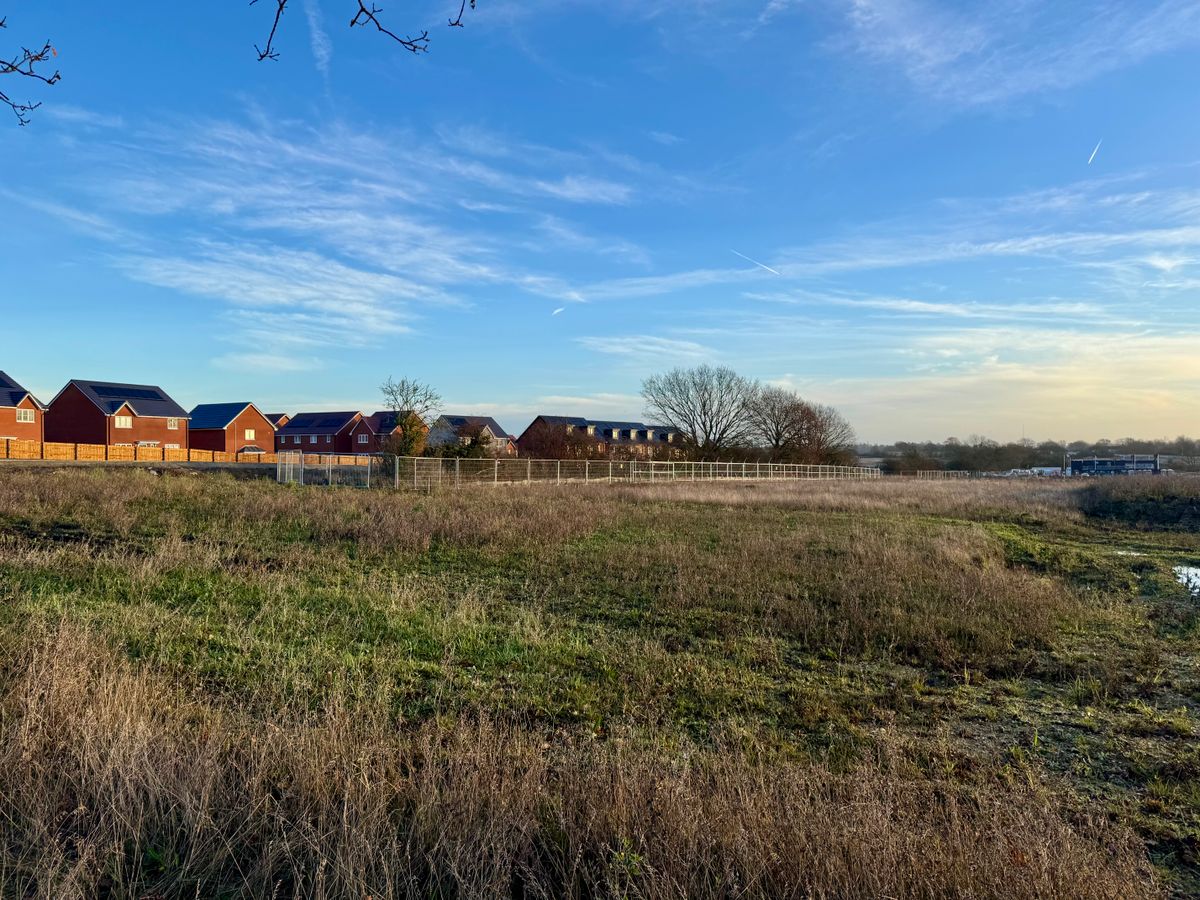
Why it matters: The development will deliver much-needed housing as part of the Ipswich Garden Suburb, but the funding gap means future residents may struggle to access local school places, with the county council warning it risks being unable to meet its statutory duty to provide sufficient childcare and school places.
The details: Councillors voted nine to three on Wednesday, 10 December, to approve the outline plans for Westerfield Road, which include a local centre with space for takeaways and pubs, a primary school and early years facilities.
The application, brought by Mersea Homes in late 2021, is part of the larger Ipswich Garden Suburb allocation of 3,500 homes north of the town, made up of the Henley Gate and Fonnereau sites. Known as the Red House neighbourhood, the development is scheduled to be completed and occupied by 2037.
The plans received local opposition, with more than 100 objections submitted raising concerns around traffic, landscape impacts and the viability of the development altogether.
The viability issue: An assessment concluded the scheme could only deliver around 50 affordable homes and £15.6 million in financial contributions to remain viable.
Suffolk County Council objected to the plans because the financial contributions earmarked for education, totalling about £12.2 million, fell short of the £16.9 million required to provide education services.
The county authority warned back in October about the shortfall and said that without full funding, many families will be forced to travel outside their neighbourhood to access a school place.
What they're saying: James Cutting, head of planning at the county council, said he understood the difficult position in terms of viability, but called on Ipswich councillors to place greater authority on education.
"The likelihood is that this deficit is going to become a liability for any successor council, which will have to absorb this. The needs of children and families are a priority for the county council."
Councillor Andrew Reid, the county's education lead, said: "Suffolk County Council has no option but to formally object to these plans. The County Council does not take this step lightly and we understand the pressure Ipswich Borough Council is under to meet housing targets, but the basis for our objection is clear and in line with national planning policy – the wellbeing of children and families must come first."
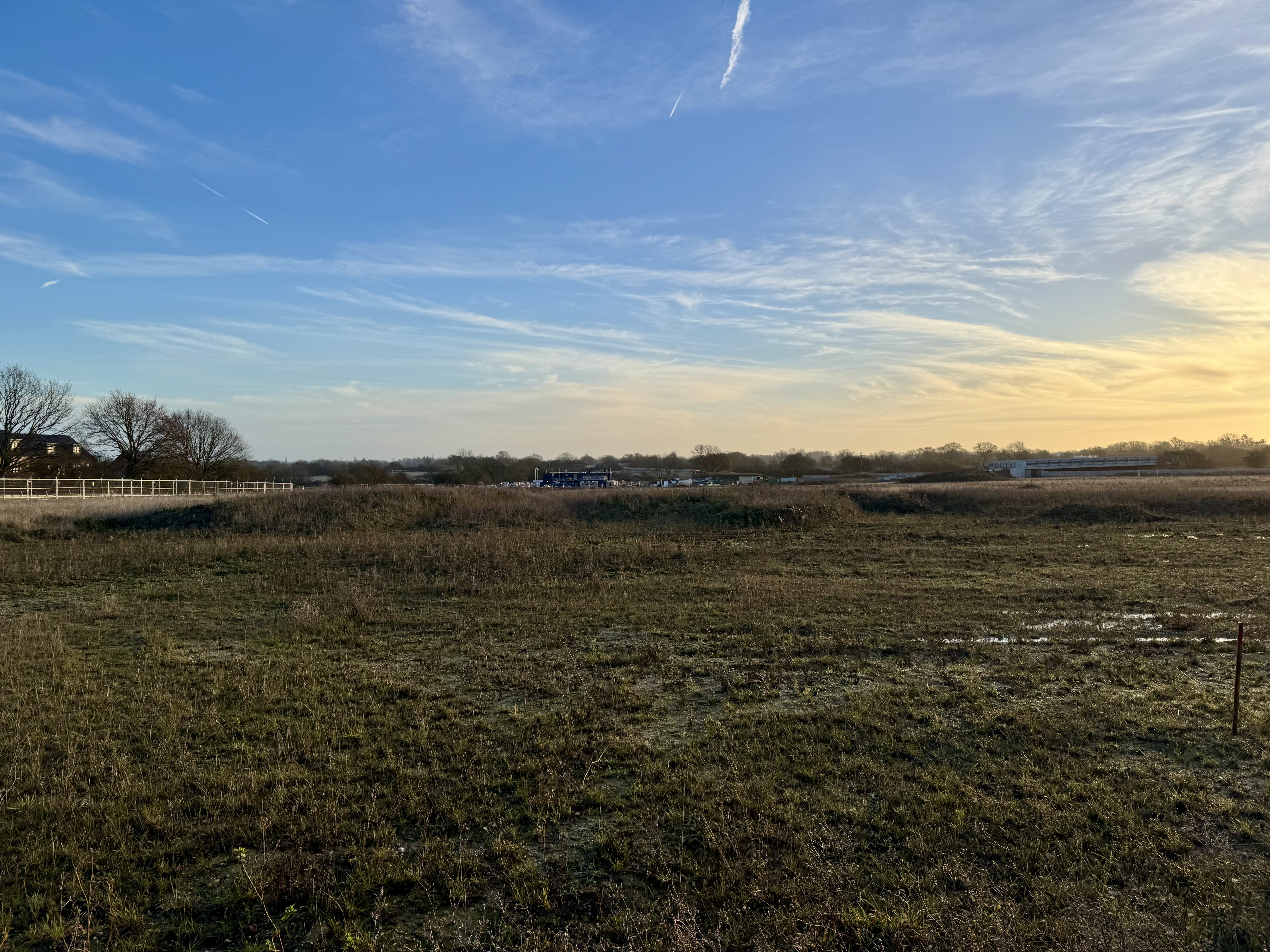
The other side: This sparked outrage from Ipswich councillors, with several criticising the county council for changing the requirements for a secondary school at the site, which had been part of the initial plans but was later removed.
Councillor Sam Murray said: "I feel Suffolk County Council has no shame – a lot of this mess has been caused purely by the education authority."
Councillor Colin Kreidewolf accused the county council of "blatant politiquing".
"Education is one of the most important elements of a society, it's the gateway to the world, but so is housing. Ensuring proper provision is provided to young people is important to me, but those young people need somewhere to live."
Addressing the concerns, Councillor Carole Jones acknowledged the plans were not perfect but said the council had done everything to make them the best possible.
What's next: Further reserved matters applications will be brought forward in phases, nailing down some of the finer details. There will be three phases to the development.
Due to delivery timescales, any shortfall in infrastructure funding will become a liability that any successor council will ultimately have to absorb following devolution and local government reform.
The bottom line: Ipswich has approved the homes, but the education funding dispute means the county council – or whatever council, or councils, replace it in the future – may struggle to provide local school places for hundreds of new families, potentially forcing children to travel outside their neighbourhood for education.
This article cost us ~£34 to produce
It's free for you to read thanks to the generous support of our partners.
Below the line