
The untouchable parking firm fining an Ipswich pensioner £700 for using her own drive
Every time 66-year-old Denise Downing reverses out of her private parking space behind her Christchurch Street flat in Ipswich, an automatic number plate recognition camera captures her registration.

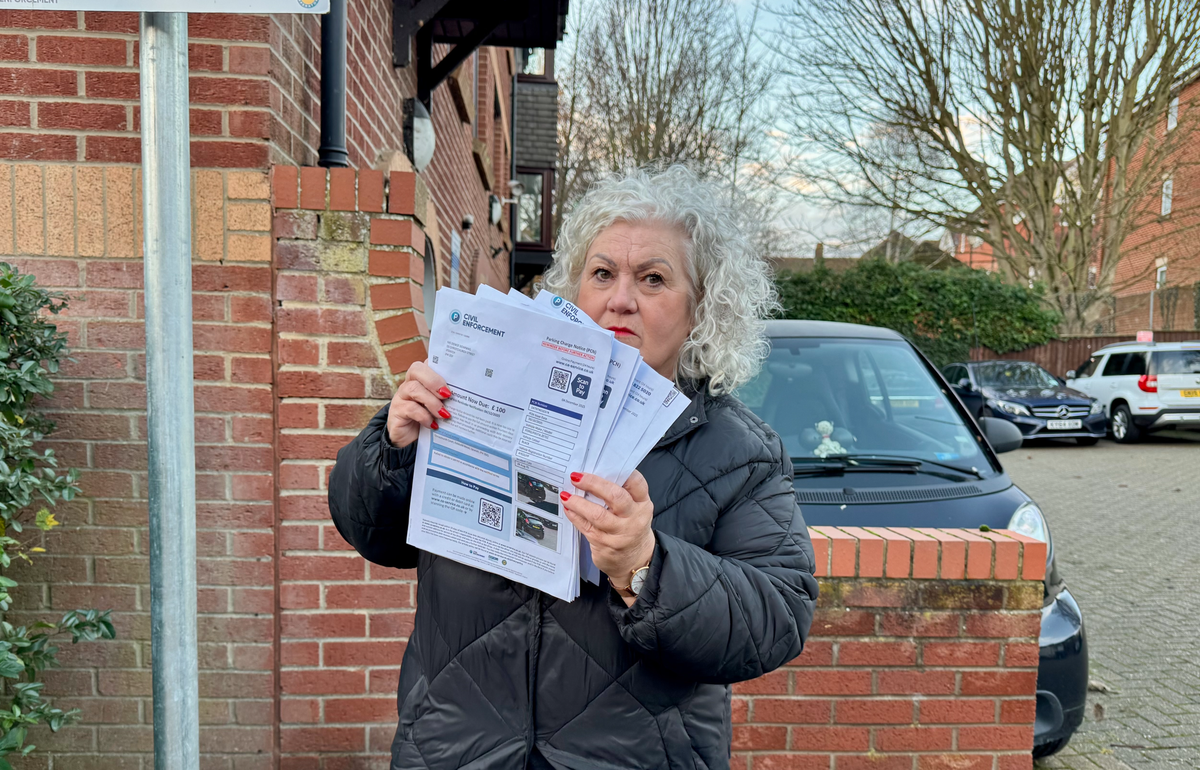
Within days, another Parking Charge Notice drops through her letterbox, demanding £100 for parking at her own home.
Since August, Denise has accumulated seven fines totalling £700 – not for illegal parking, but for the simple act of leaving her home. The camera, installed by retirement housing operator Kingsdale at Christchurch Court on Cobbold Mews, was meant to monitor the retirement housing car park. Instead, it has been capturing private parking spaces belonging to residents of neighbouring properties.
"Initially, it made me feel really worried because I knew I hadn't parked there," Denise says. "I tried to contact them, but you cannot make any contact – just a code to pay, which I was definitely not going to do."
An unfair system designed for exploitation
The photographs attached to Denise's Parking Charge Notices show you everything you need to know: her black Ford Fiesta, captured reversing from her own private space – not parked illegally in the Christchurch Court car park at all.
Yet when Denise tried to challenge the fines, she discovered that Civil Enforcement, the Liverpool-based company issuing the notices, had made itself virtually unreachable. There is no phone number to call, no email address to write to, and no physical office to visit. The only point of contact is a payment portal.
"I tried to email," Denise told them in one of three handwritten letters she sent to Civil Enforcement. "My car is parked in my own private parking space, outside my property, where I live, and is not parked for any time in the car park at Christchurch Court, Cobbold Mews." A simple look at their own evidence would confirm this.
The company's website offers an appeals process, but Denise found it would not accept her attempts to challenge the fines. "I have tried to call with no reply, and on numerous occasions tried to email their website, but it somehow won't let you send anything," she said.
Each Parking Charge Notice warns that "failure to pay the full amount within 14 days of this reminder notice may result in us proceeding with debt recovery action and/or issuing court proceedings." The letters add that "additional costs may be incurred and the amount due will increase further."
For months, the threatening letters have kept arriving, with no way to make them stop.
Six months of silence from Christchurch Court
Denise reached out to Kingsdale, the company managing Christchurch Court, as early as May. In her correspondence, she clearly and repeatedly explains the problem.
When Ipswich.co.uk contacted Kingsdale in November, a spokesperson confirmed they had been approached by Denise and that they were investigating. But six months after Denise first raised the alarm, the company had taken no meaningful action to resolve the issue – until this week, when it appears that one camera was quietly removed.
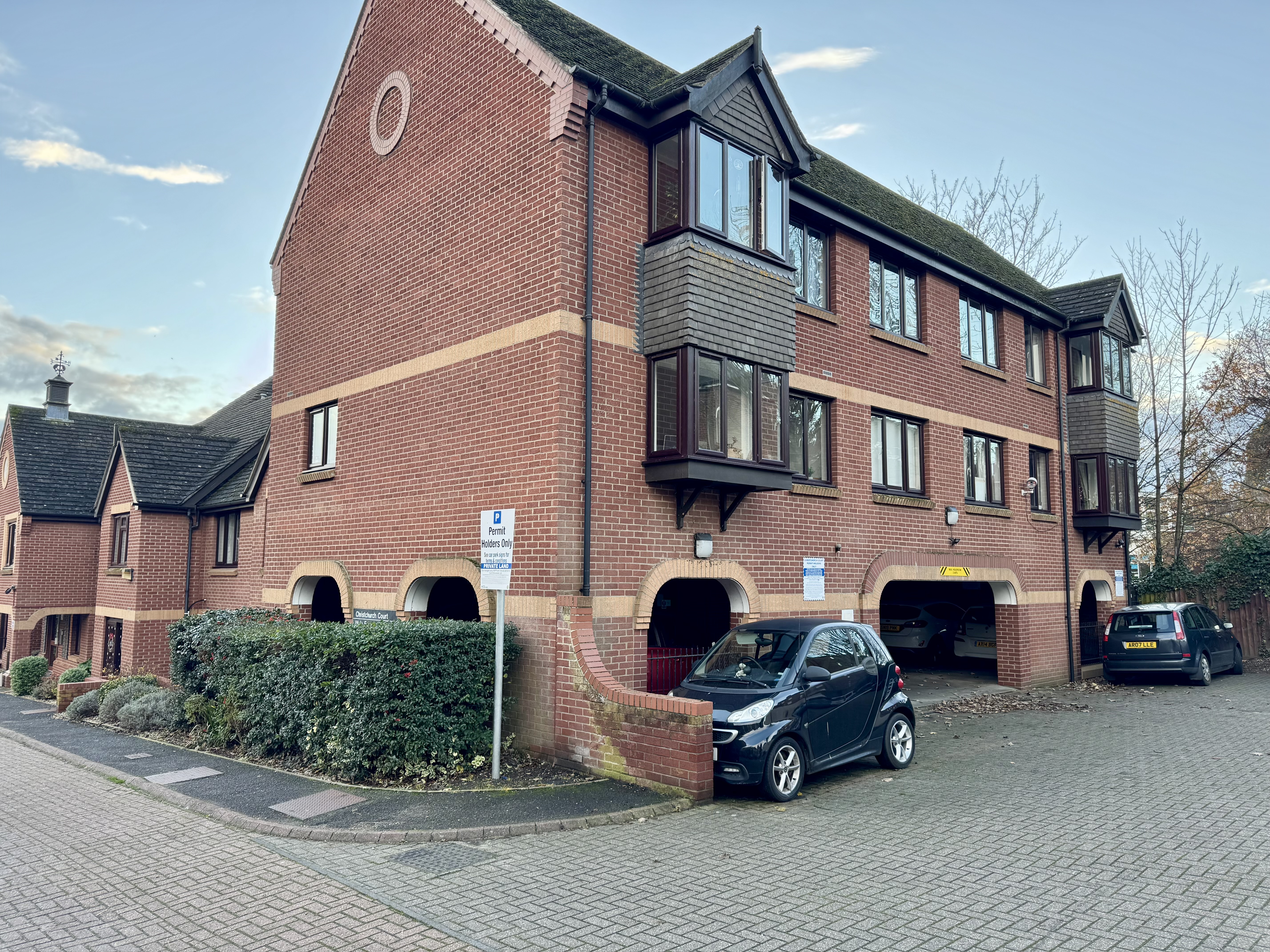
There has been no communication with Denise about why the camera was removed, no acknowledgement that the fines were issued in error, and no assistance in getting the wrongful charges cancelled.
Denise has visited Christchurch Court on several occasions, seeking help. "But no one is available or able to help," she said.
The manager at Christchurch Court told Denise earlier in the year that she had spoken to the owners about the cameras and car park, and that "it is being looked into." Months later, nothing had changed.
The 1.1-star parking operator
Civil Enforcement's business model appears to rely on making it as difficult as possible for people to challenge their fines.
It has a 1.1-star rating on Google, based on more than 1,200 reviews from people who – like Denise – feel they have been unfairly treated and exploited. Words repeatedly used to describe them include "predatory", "exploitive", "thieves", "nightmare" and "horrendous".
The company is controlled by a single director: Mirlene Helen Loraine Taljaard, a South African national with a remarkably low profile for someone running a business that interacts with thousands of British motorists. What little is publicly known about her raises serious questions.
Taljaard has been the director of a string of dissolved limited companies in the UK. More significantly, she appears in the Panama Papers – the massive 2016 leak of 11.5 million financial documents from Panamanian law firm Mossack Fonseca that exposed how the wealthy and powerful use offshore companies to hide assets, evade taxes, and launder money.
The Panama Papers revealed offshore activities linked to politicians, public officials, and celebrities, leading to political resignations, legal investigations, and widespread public outcry. Taljaard's connection to this network of offshore entities adds another layer of concern to a company repeatedly accused of exploitative practices.
The company is registered to an address in Liverpool, but Taljaard is connected to offshore accounts registered to an address in Oberon, South Africa. The company operates across the UK, issuing parking fines with apparent impunity.
Technology turned against residents
ANPR cameras have become ubiquitous in car parks across Britain, marketed as a way to manage parking fairly and efficiently. But Denise's case reveals how the technology is being used to exploit ordinary people.
The camera at Christchurch Court was supposed to monitor vehicles parking in the retirement housing car park. Instead, it captured residents using their own private parking spaces – spaces they are entitled to use without restriction.
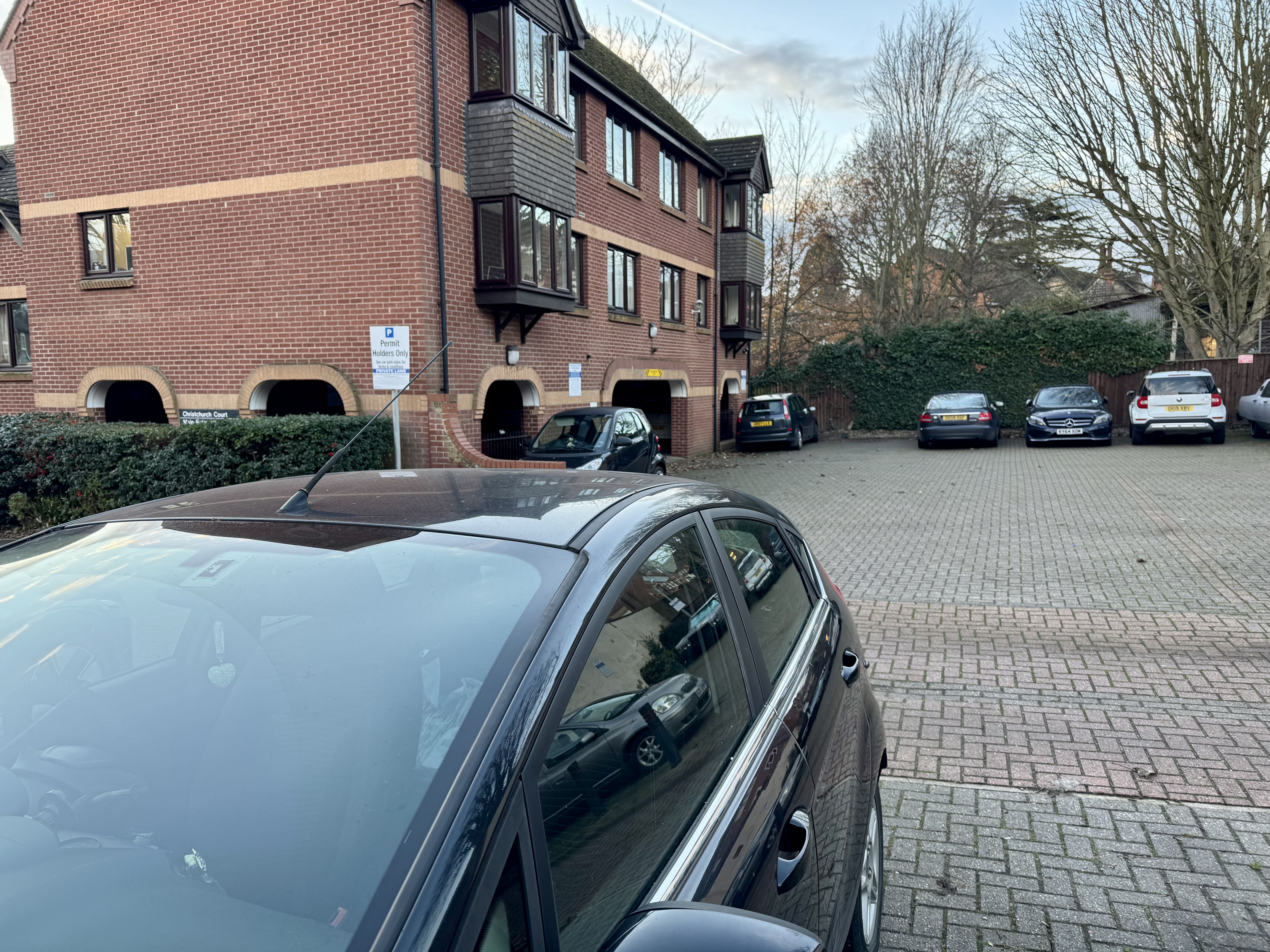
Because the residents must reverse out of their parking spaces to leave, the camera captures their number plates every single time. Each capture generates another Parking Charge Notice, creating a trap from which there is no escape.
"I have to reverse off my driveway to be able to drive away," Denise explains.
Her neighbour has faced the same ordeal, receiving multiple fines for using his own parking space. Other residents of Christchurch Street may be affected too, but many are reluctant to speak publicly about their experiences.
The human cost
The impact on Denise has been significant. "I was feeling very anxious, worried as to what was going to happen," she says. "The letters are still coming now, a confirmation that the fines have to be paid, yet they have no proof of my car ever being parked in the car park because I haven't parked there. But I feel very worried as to what will happen next, and the fines and notices are still coming."
The psychological toll of receiving repeated threatening letters, with no way to resolve the situation, has been considerable. Each envelope brings fresh anxiety. The demands for payment continue to escalate, warning of debt recovery action and court proceedings.
For anyone, the prospect of £700 in wrongful fines is not just stressful – it is financially threatening. And with no response to her appeals and no help from the housing management company, Denise has been left feeling powerless and vulnerable.
A wider problem
Denise's case is far from unique. Across the country, private parking companies have faced accusations of exploitative practices, aggressive enforcement, and systems designed to make appeals virtually impossible.
The industry is lightly regulated, with parking firms able to issue charges on private land without the same oversight that governs council-operated parking enforcement. While there is a voluntary code of practice administered by the British Parking Association and the International Parking Community, not all companies choose to be members.
Civil Enforcement is not accredited by either organisation, leaving motorists with little recourse when things go wrong.
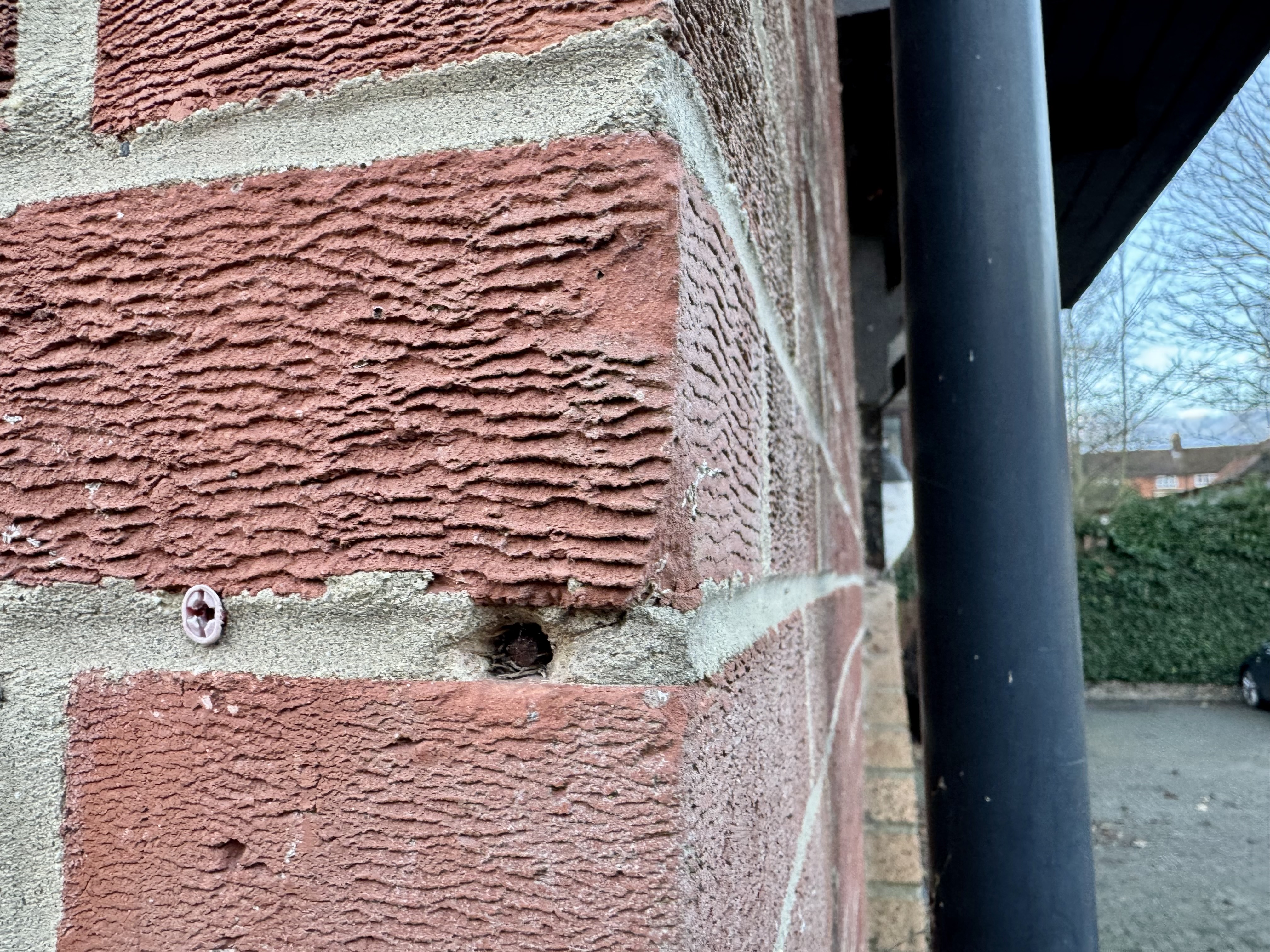
The removal of one camera this week suggests that Kingsdale has finally acknowledged a problem. But the company has offered no explanation, no apology, and no assistance to Denise or her neighbours in getting their wrongful fines cancelled. Other cameras remain, and it's unclear if Denise will still be incorrectly issued with PCNs.
Meanwhile, Civil Enforcement continues to demand payment, threatening further action if Denise does not pay for parking at her own home.
The bottom line
One camera may have been removed, but the fines remain, and so does the fundamental problem. Private parking enforcement companies operate with minimal oversight, making themselves unreachable whilst threatening legal action against people who have done nothing wrong.
Denise's six-month battle reveals a system that protects the enforcers, not the residents. She shouldn't have to fight this battle, but after six months of trying to resolve the issue privately, she has decided to speak out – not just for herself, but for her neighbours who are going through the same ordeal in silence.
"I felt it was important to speak out on my, and their behalf," she says.
The camera may now be gone, but the fines remain, and Civil Enforcement continues to threaten action. For Denise, the nightmare is not over yet.
Civil Enforcement were approached but declined to comment.
This article cost us ~£174 to produce
It's free for you to read thanks to the generous support of our partners.
Below the line