
What's for lunch? The pupils redesigning school meals their way
A shy Suffolk pupil who once dreaded speaking up in class is now redesigning her school's menu and teaching adults about food waste. She's one of hundreds of children across ASSET Education's schools who've been handed real power to solve a problem that affects them every day.

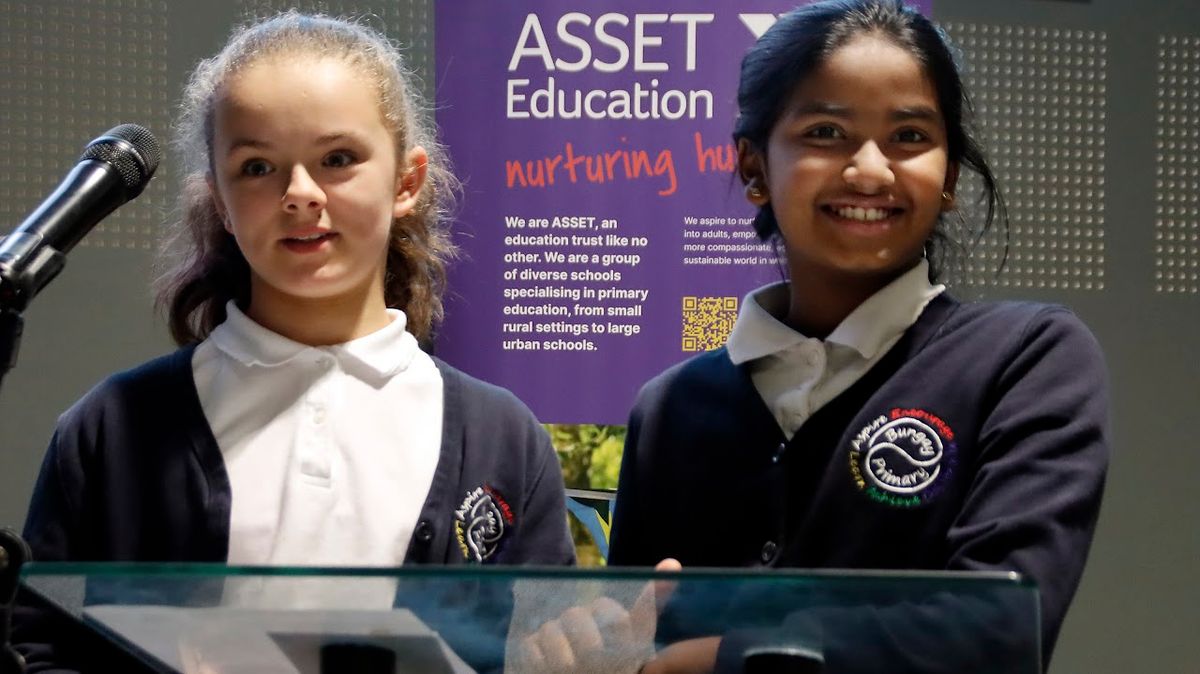
"I wanted my voice to be heard because when I put my hand up in class, I get really nervous," says one pupil. "But now I've had practice, and if I get the answer wrong, I just try again."
She's one of the ASSET Arrows — pupils from ASSET Education's fifteen Suffolk schools who were given a £500 budget and a simple brief: find out why so few classmates eat school dinners, and help fix it.
The Arrows designed surveys, ran taste tests and prototyped solutions, with adults supporting from the sidelines.
Their findings reveal as much about power, confidence and belonging as they do about food. In a country where 17% of children live in food-insecure households, school meals aren't just about lunch – they're about dignity and care.
Why pupils are taking charge of school food
ASSET Education's pupil-led food mission started in 2024 with a bold question: why aren't more children eating school dinners—and how can we change that?
In November 2024, ASSET brought together 200 pupils and adults for a Food Summit. A shared lunch sparked reflection: some pupils noticed how much waste was created, while others discussed how the food was served. But by then, the work was already underway and being driven by the pupils themselves.
When asked directly what was putting them off school meals, pupils provided honest and practical answers.
"Sometimes I bring food from home because I know I won't be full," explained one. Another added: "If I don't know what it is, I don't want to eat it. But if we could try little bits first, maybe we wouldn't be scared."
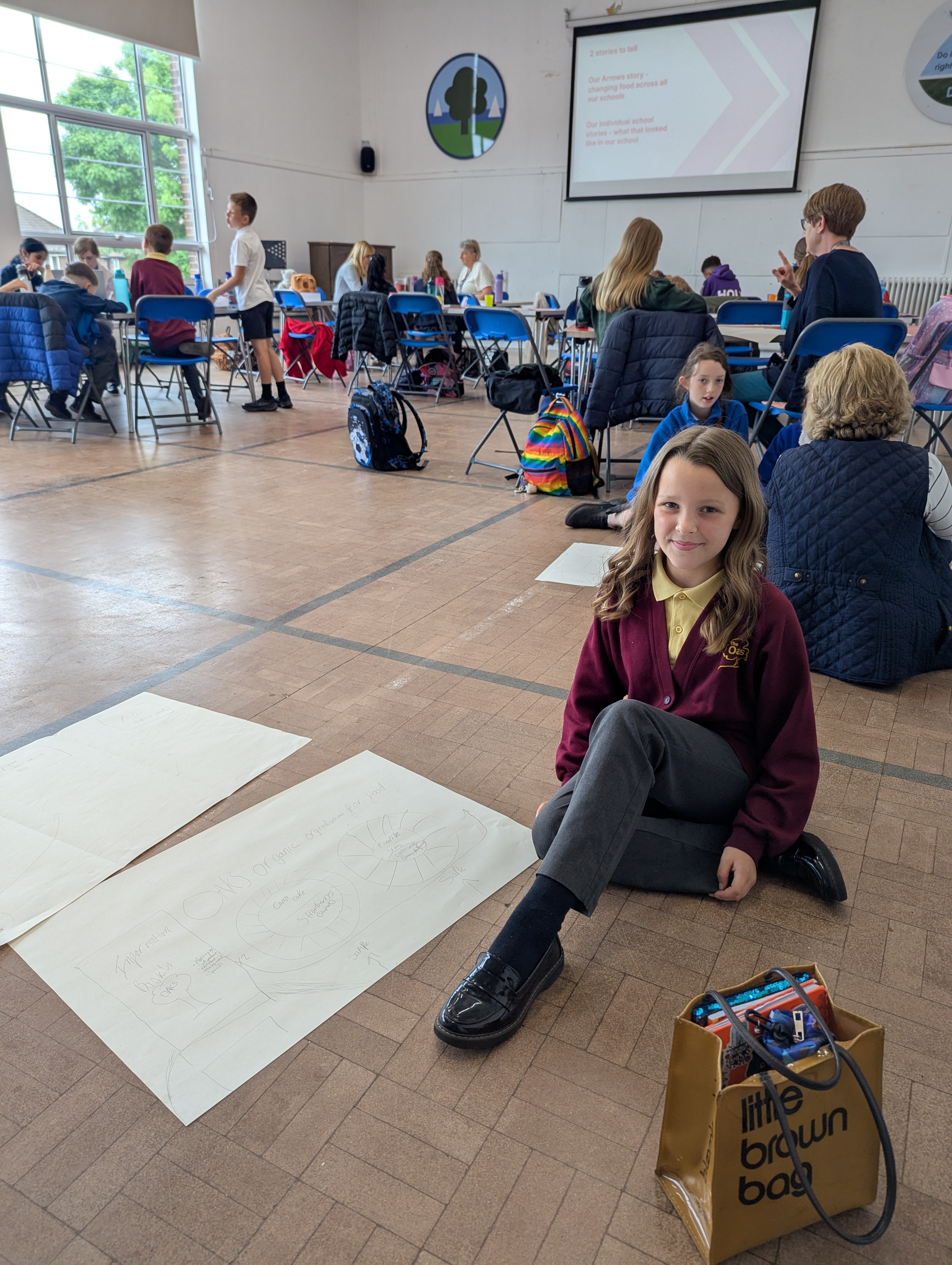
A fear of veg – and beating it
Working in "ASSET Arrows" teams, pupils mapped every hurdle. Many identified anxiety around unfamiliar vegetables as a key barrier.
For many, the issue isn't what's on the plate, but how it's served. Children flagged rushed lines, loud dining halls and what some called a "conveyor belt" feeling to traditional lunch services.
Their solutions were practical: some schools now play calming music during lunch, Year 6 pupils dine at bigger tables, and quiet spaces have been created for noise-sensitive children. Several schools introduced taste tests, allowing children to sample meals before they appear on menus.
From leftovers to learning
"We're really passionate," says one pupil. "We just really want to grow our own food."
At The Oaks, pupils want to rebuild vegetable patches with all year groups growing fruit and vegetables. At other schools, pupils saw whole trays of vegetables going uneaten and so are setting up "home compost only" bins.
"On sports day, we'll be selling strawberries, carrot cake and pineapple sticks," says one pupil excitedly. The shaped strawberries – cut into hearts and stars – will help fund new growing projects. "We're learning business, gardening and cooking – all at once."
At Castle Hill, pupils were inspired by the Food Summit's smoothie bike and are considering buying one for their school.
Rewriting the menu
"I think we should change the recipe for the roast dinner because I didn't really like chicken," says one pupil. Another suggests: "Jacket potatoes are a bit dry. We want something else in them, like hidden vegetables."
The ASSET Arrows are discovering the five dishes that really matter in their school community – dishes that reflect local cultures, family favourites, or recipes with school connections.
The goal is to create an ASSET recipe book and help shape new menus launching in September 2025. But practical questions remain: how do you balance pupil preferences with dietary guidelines and tight budgets? Government funding for infant free school meals is just £2.58 per meal.
How the scaffolding works
"We provide the framework, but they identify the problems and create the fixes," explains Jacqueline Bircham, Deputy CEO of ASSET Education. The project operates with careful adult support while pupils genuinely drive the process.
"They've never let us down yet," she adds. "They redesigned food, culture, even the dining halls. They spotted the problems, then fixed them."
From September, menus across ASSET schools will be reshaped using pupil research, reflecting dishes, values, and ideas gathered through this year-long process.
The ripple effect
"You gain confidence in your own choices," says one pupil leader. Shy classmates are now helping design menus, plan events, and share ideas with senior staff.
The impact extends beyond food. As one pupil put it: "Sometimes I bring food from home because I know I won't be full." Giving children the power to shape their food systems builds more than just menus – it builds confidence, resilience, and a sense of control.
But questions remain about scaling this approach. How do you replicate deep engagement across schools with different leadership styles or fewer resources? ASSET's model requires staff time and leadership willing to genuinely share power.
A model for change
The model works because it trusts children with real decisions, and in return, they reimagine school not just as a place to eat, but a place to lead.
What ASSET's done isn't a finished product. It's a test. A challenge to the assumption that adults always know best, and a reminder that trusting children and the process is a radical act in education.
Meet the changemakers
ASSET Education's food project showcase takes place on Thursday, 3 July, from 12:30 to 14:30 at Hope Church, Ipswich.
You'll meet the young leaders behind this pupil-led mission and hear firsthand about their projects. Pupils will present their findings and the positive changes they've made across Suffolk schools.
"No adult speaks," says Bircham. "From the moment you arrive, children will take you through this process. They're all capable of it."
No booking is required, but please let the team know you're coming by using the link below.
This article cost us ~£126 to produce
It's free for you to read thanks to the generous support of our partners.
Below the line