As it stands:
Spencer has been suspended by the Conservative Party and no longer has the whip
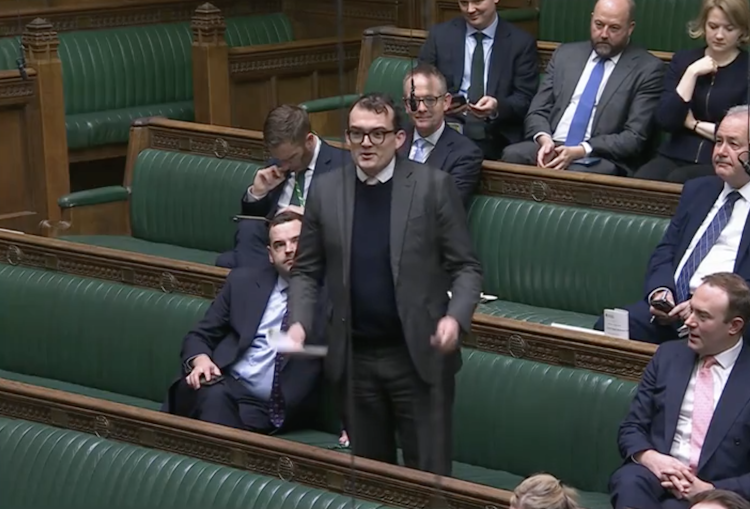
He continues as MP for Central Suffolk and North Ipswich but now sits as an independent
He has reportedly been asked not to attend the parliamentary estate during ongoing police inquiries
Next month:
On 16 June, Spencer will appear at Westminster Magistrates' Court to enter pleas to two counts of sexual assault
If he pleads not guilty, the case may proceed to crown court for trial
If he pleads guilty, he could face sentencing immediately or after pre-sentence reports
During the legal process:
Spencer continues representing his 73,046 constituents from his constituency office – as an independent
The local Conservative Party operates without their MP's support
Constituents can still access Spencer's services through his office, though he cannot attend Parliament
After the court case:
If convicted and sentenced to prison (including a suspended sentence), a recall petition process begins after all appeals are completed
The Speaker of the House of Commons notifies the local returning officer, who becomes the petitions officer
10 working days later, a recall petition opens for 6 weeks
If 10% of registered voters in the constituency sign the petition, Spencer would lose his seat and a by-election would be called
If acquitted or given a non-custodial sentence, Spencer remains as MP but likely continues as an independent
Spencer could stand as a candidate in any subsequent by-election, even if recalled through the petition process
The bigger picture: Previously, MPs could only be expelled from Parliament through the standards committee process for misconduct, or by triggering a recall petition if sentenced to prison, but under changes approved by the Commons last year, MPs now face being barred from attending Parliament if they're convicted of sexual or violent offences.
However, conviction would not automatically trigger a by-election.
A risk assessment panel appointed by the Speaker considers cases and can decide on measures including exclusion from the parliamentary estate and a ban on Commons-funded travel.
What they're saying: Spencer's lawyers said in a statement that Patrick Spencer categorically denies the charges against him, adding: "He has co-operated fully with the police investigation from the moment he became aware of it and he will defend the allegations robustly in court."
A Conservative Party spokesman said the party "believes in integrity and high standards" and that they "have taken immediate action" to maintain those standards.
Frank Ferguson, head of the CPS special crime division, emphasised: "The Crown Prosecution Service reminds all concerned that criminal proceedings against this defendant are now active and that he has the right to a fair trial."
The bottom line: The MP, who categorically denies the charges, will appear at Westminster Magistrates' Court on 16 June.