
From heroin to ketamine: How Suffolk's drug use is changing
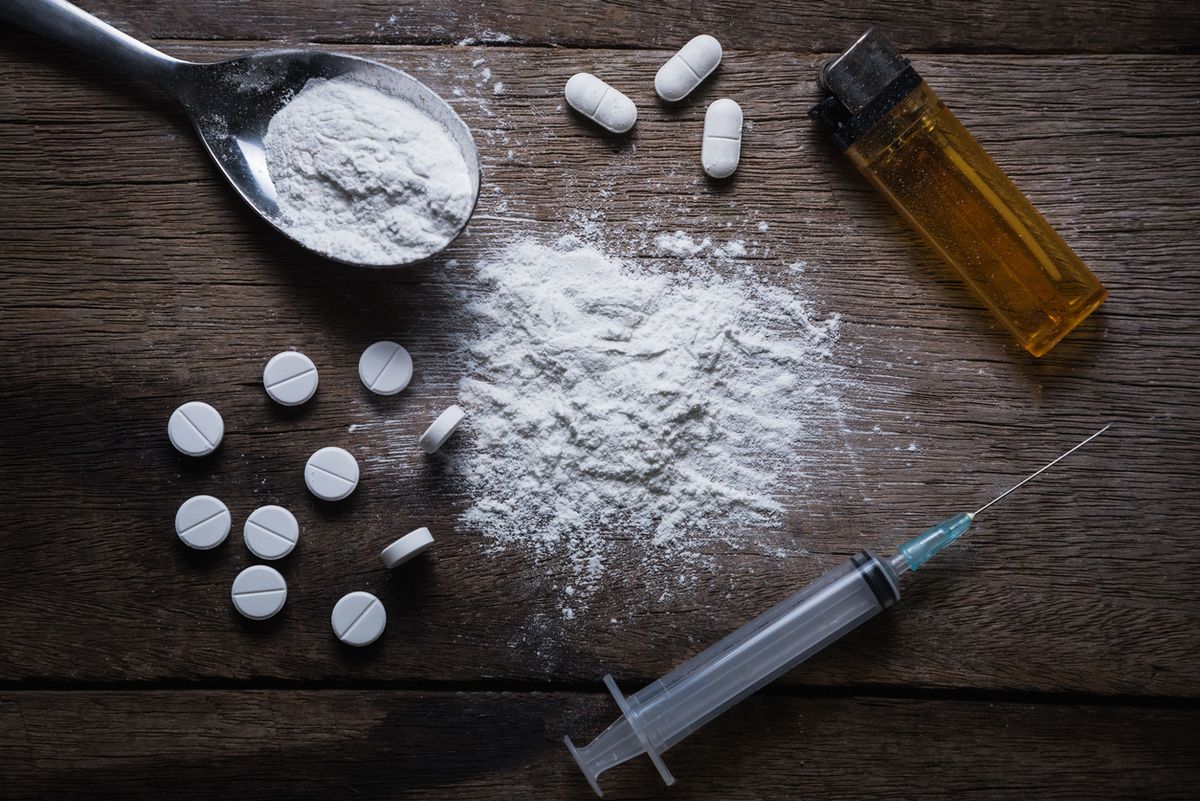
Drug consumption habits in Suffolk are shifting, with people moving away from opiates such as heroin and towards cocaine, ketamine and crack – and a new report warns the county is also facing a growing threat from synthetic opioids 500 times stronger than heroin.

Why it matters: The findings, presented to Suffolk County Council's health and wellbeing board on Thursday, 12 March, reveal the scale of a rapidly evolving drug problem that, according to senior council officials, "touches individuals, families and communities" across all ages and all parts of the county.
The details: According to the report by the Combating Drugs Partnership (CDP), there are now 183 adults in treatment in Suffolk due to ketamine use – a 251 per cent increase since 2022. The CDP brings together organisations including councils, integrated care boards and the police to coordinate action around drug use and improve outcomes across the county.
The bigger picture: Suffolk is also facing increasing pressure on its services from the emergence of nitazines – synthetic opioids about 500 times stronger than heroin – which have been found mixed with other substances. Nationally, 524 deaths have been confirmed as involving these synthetic opioids between June 2023 and September 2025. In Suffolk, six people have died.
What they're saying: Clair Harvey, the council's senior manager for public health and communities, told board members drug consumption habits were changing. "Unfortunately, drugs continue to have adverse effects across all of Suffolk, all ages – it touches individuals, families and communities," she said.
Cllr Steve Wiles, the authority's lead for public health, said everyone was aware of the challenges facing the county. "I'm personally quite shocked that in this time, this century, we are still suffering with the conflict between good health and the use of man-made drugs," he said. "Our biggest difficulty going forward would be becoming complacent about the issues that we know are out there – everyone, I feel, is doing their level best."
The connected crisis: The report also highlights the link between drug use and mental health – as many as 74 per cent of those starting drug and alcohol treatment in Suffolk between 2024 and 2025 also required mental health support.
Cllr Nadia Cenci, who described the report as "hard reading", stressed more work was needed to reduce demand for drugs through education in schools and mental health support. "It makes me so sad that there are still young people dying," she said. "Their families are in turmoil, they are really upset, they don't know where to turn – it goes on and on. If there's no demand, there are no drug dealers, there are no gangs, there's no treatment – this can be done, and I feel that's the bit that's missing."
What's next: The county's drug treatment service is currently delivered by Turning Point, which helps people of all ages. Those seeking support can visit the Turning Point website. Advice relating to mental health support can also be found on Suffolk County Council's website.
This article cost us ~£27 to produce
It's free for you to read thanks to the generous support of our partners.
Below the line