
University of Suffolk to plug regional talent shortage with new pharmacy degree
The University of Suffolk will launch a new Master of Pharmacy degree from September 2026, aiming to address skills shortages with around 40 students in its first year.

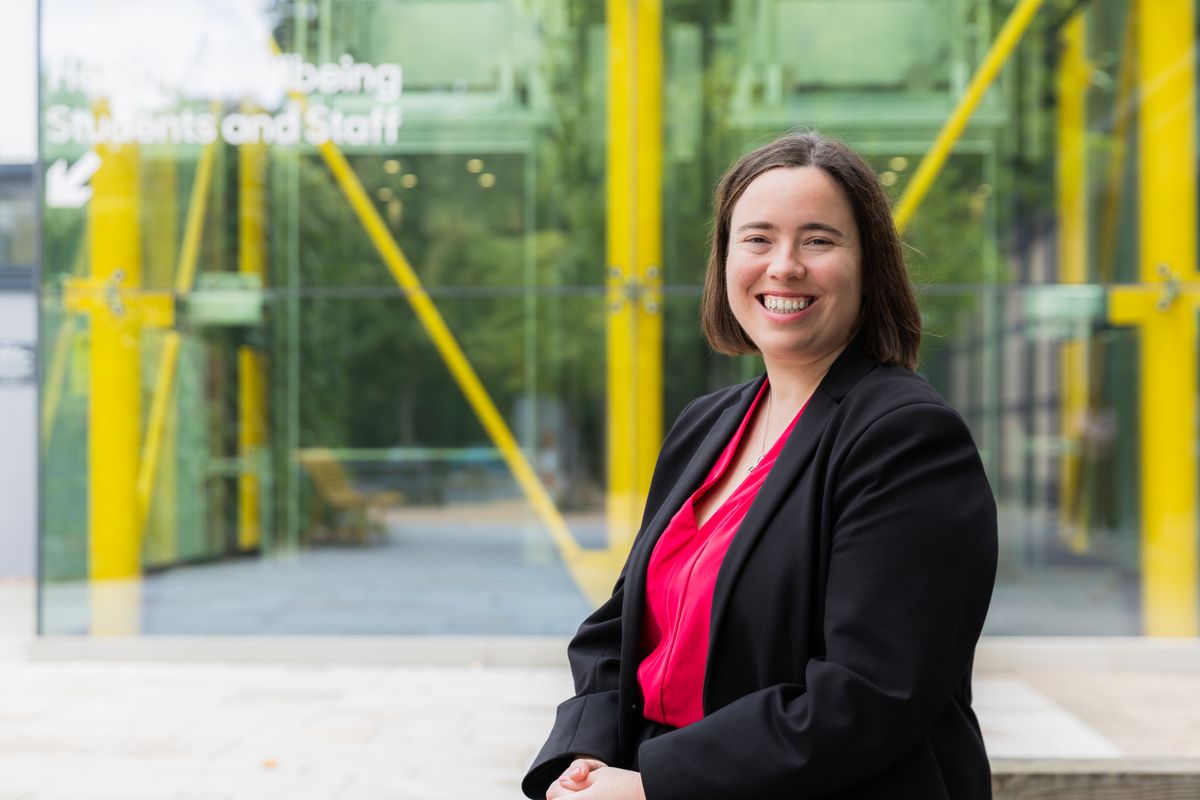
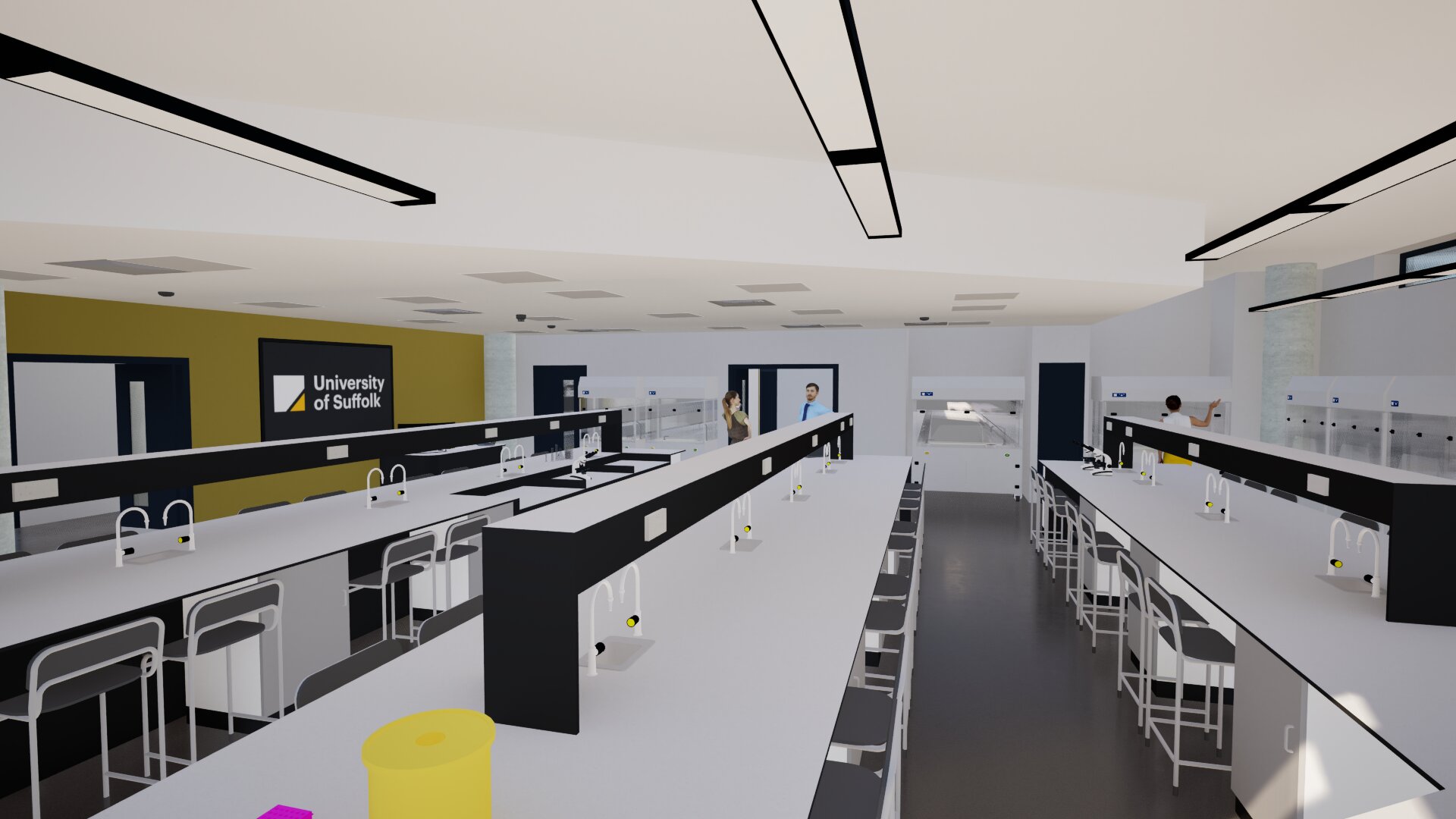
Why it matters: The four-year programme will benefit from a brand-new, fully-stocked mock dispensary and clinical skills suite in the Health and Wellbeing Building, as well as new labs being developed in the James Hehir Building on the Ipswich campus.
The big picture: The NHS Long Term Workforce Plan published in 2023 outlined a need to increase the number of pharmacists nationally by 31-55 per cent, and ambitions to increase training places for pharmacists by nearly 50 per cent by 2031/32. Currently, just two universities in East Anglia offer MPharm courses in a region with a population of around 6.3 million people, compared to areas such as the East Midlands where four universities offer the course for a smaller population of 4.8 million.
The details: The University is working towards accreditation of the programme with the General Pharmaceutical Council (GPhC). The programme will be provisionally accredited until the accreditation process is complete, upon the graduation of its first cohort in 2030. It marks the latest step in the University's work to help address skills shortages in key industries in the region, following on from the launch of the Dental Hygiene and Therapy course in 2024.
What they're saying: Dr Georgina Marsh, Head of Pharmacy at the University of Suffolk, said: "We are thrilled to celebrate a successful outcome from the GPhC Step 2 accreditation event, marking a major milestone in our MPharm launch journey, and our progression towards full accreditation. There is a recognised need for more pharmacists in the region and the UK, and the University of Suffolk's Master of Pharmacy course will prepare students with all the skills they need to be future pharmacy leaders, confident prescribers upon registration and collaborative healthcare professionals."
Professor Paula Kersten, Executive Dean of the School of Health, Sciences and Society, said: "The University of Suffolk has a track record of delivering courses in areas of known skills shortages in the NHS health and social care sector, and the addition of the Master of Pharmacy course continues that commitment to play a vital role in delivering the skills training for our communities."
What's next: Work on the clinical skills suite in the Health and Wellbeing Building is due to get underway later this year, while work in the James Hehir Building, where two labs will be established, is set to begin in February next year and be completed in August.
Course staff are already establishing links with pharmacies in the region to ensure the course is developed with clinical stakeholder needs in mind and provide the essential placements students will complete as part of their learning.
The bottom line: The course will equip students with skills in digital pharmacy, clinical reasoning, health inequalities and patient-centred care, with applications now open for the programme that aims to produce future-ready pharmacists for the region.
This article cost us ~£13 to produce
It's free for you to read thanks to the generous support of our partners.
Below the line