
Third of Ipswich children living in poverty, new research reveals
Ipswich has one of the highest child poverty rates in the East of England, with 33% of children living in relative poverty after housing costs are considered.

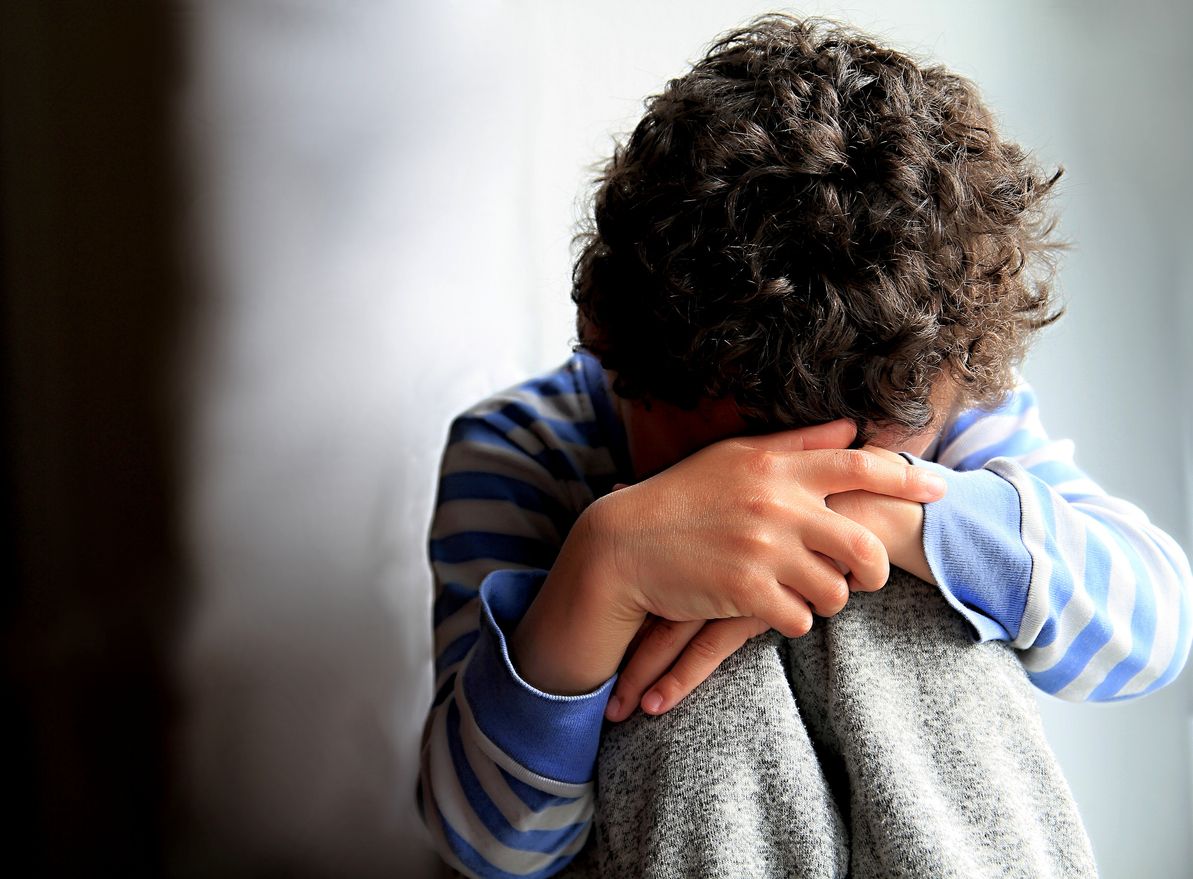
Why it matters: The number of children living in relative poverty in Ipswich has risen to its highest level since comparable records began in 2013-14. The shocking figure means 10 children in every classroom of 30 are living in families struggling to afford basic necessities like food, warm clothing and safe housing.
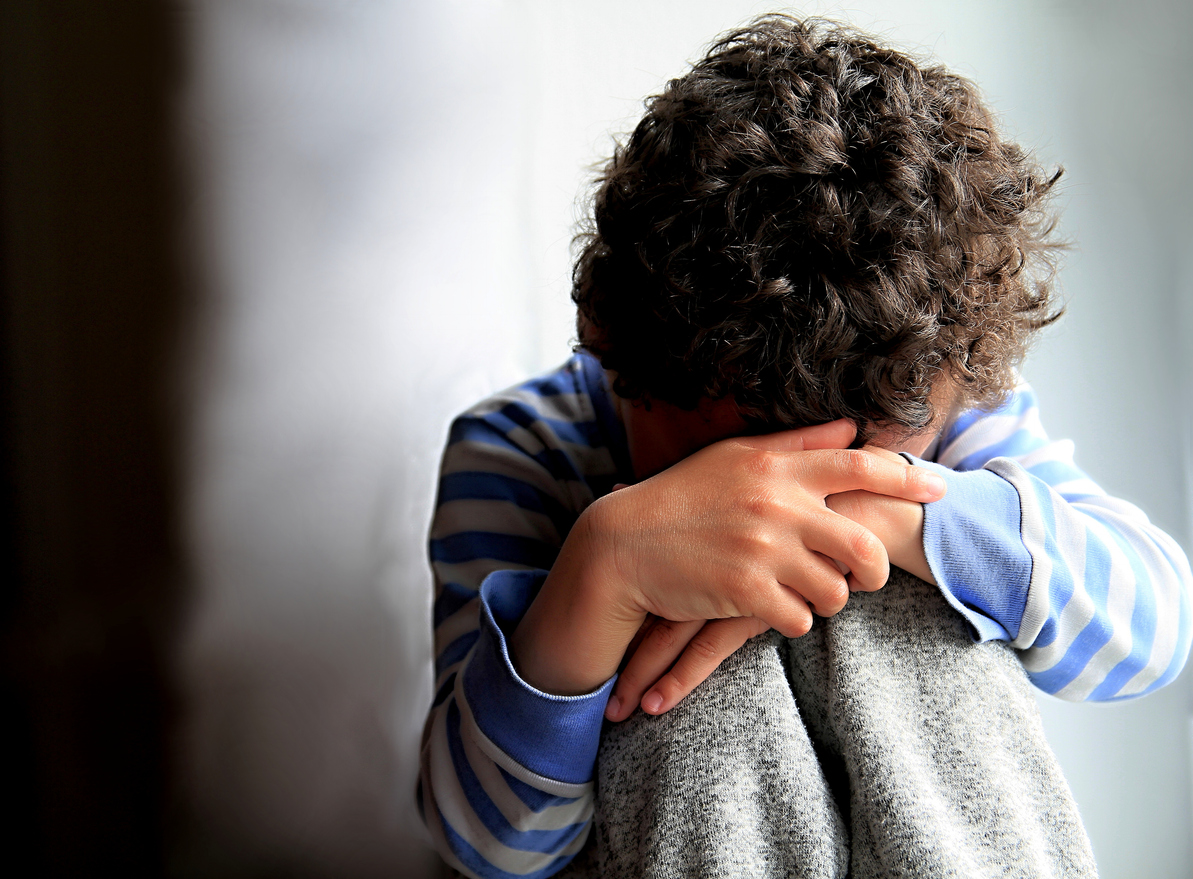
The big picture: New research by Loughborough University for the End Child Poverty Coalition reveals 23% of all children across the East of England are living in poverty, equivalent to seven children in every classroom.
Ipswich ranks fourth worst in the region, with Labour MP Jack Abbott representing one of seven Labour-held constituencies in the top 10 for child poverty rates.
According to the latest government figures, across the UK, 2.7 million children (22%) were living in relative poverty, including 216,194 (18%) in the East of England.
When looking at income after housing costs and including children aged 16-19 in full-time education, the national figure rises to over 4.4 million – the highest since national records began in 2002-03.
By the numbers:
- 39% of East of England constituencies have at least a quarter of children living in poverty
- The two-child benefit limit shows a "direct and strong correlation" with child poverty rates
- Around 60% of families affected by the two-child limit are in work
What they're saying: Joe Jenkins, Executive Director at The Children's Society, said: "It's outrageous that we have this level of child poverty in the East of England, with some areas hit particularly hard. Through our services, we see the distressing effects of poverty on children's health and wellbeing, with even more of our young people denied the basic necessities of food and clothing."
He added: "These figures should be a wake-up call to Government to act quickly to prevent another generation of children from growing up in low-income families."
For context: The two-child limit, introduced in April 2017, means families having a third or subsequent child are no longer entitled to receive Universal Credit support for those children.
What's next: The End Child Poverty Coalition, representing over 135 organisations, is calling on the government to meet its manifesto commitment to address high child poverty levels through a new strategy that scraps the two-child limit.
The bottom line: With Ipswich among the worst-affected areas in the region, the research highlights what campaigns are describing as an urgent need for government action to address policies that drive local families into poverty.
This article cost us ~£10 to produce
It's free for you to read thanks to the generous support of our partners.
Below the line