
Suffolk's debt hits £1.1bn as three councils see increases
Suffolk's total council debt has reached £1.1 billion, with three authorities seeing increases in the past year whilst the remaining councils reduced their borrowing levels.


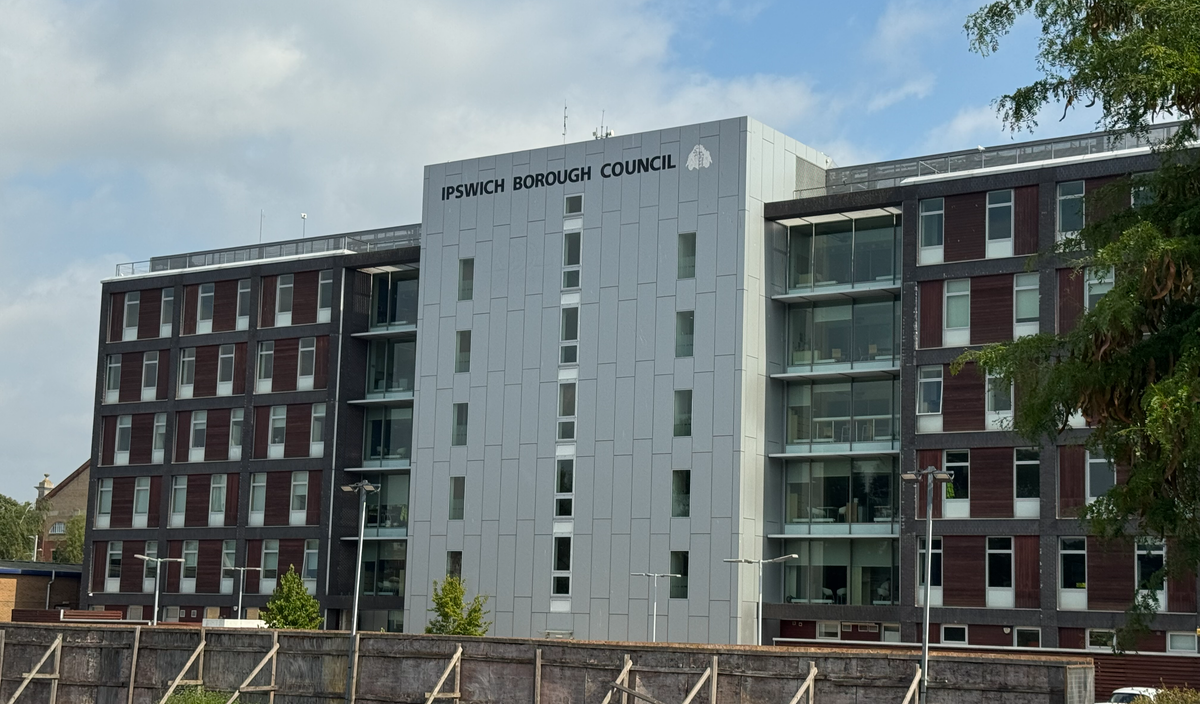
Why it matters: Analysis from the BBC Shared Data Unit reveals Suffolk County Council, Ipswich Borough Council and Babergh District Council all increased their debt in the 12 months to April, as national council debt reaches £122 billion.
The big picture: Nationally, local authorities hold debt equivalent to £1,791 per UK resident. Whilst councils often borrow to invest in essential projects like schools and leisure centres, recent rises have been driven by short-term government lending sometimes used to fill budget holes rather than fund investments.
Jonathan Carr-West, Chief Executive of the Local Government Information Unit, said levels of debt were "extremely worrying".
The details: Suffolk County Council holds the highest total debt at just under £656 million, 10 per cent higher than last April. The authority said this included investments in extra school places, highway improvements and Lowestoft's Gull Wing Bridge opening.
Despite the highest total, when spread across Suffolk's population, the county council's debt equates to roughly £844 per person.
Ipswich Borough Council has the highest debt per person at just under £1,780, in line with the national average of £1,791 per person. The authority's total debt of £248 million represents a 20 per cent increase on last year, £53 million of which is classed as general debt.
Council housing makes up £91.7 million of Ipswich's figure, funded by rents rather than council tax, while £103 million represents asset investments now producing £3.5 million in annual income.
Cllr Martin Cook, Ipswich Borough Council's lead for resources, said the council's borrowing approach was managed by experts, with the authority avoiding dependence on recent high interest rates.
What about decreases? Mid Suffolk District Council saw the biggest decrease, reducing debt by more than £13.5 million to just under £107 million. East Suffolk Council's debt fell by just over three per cent to £63.3 million, whilst West Suffolk has the lowest debt in the county at £49.71 per person.
The disputed figures: Babergh District Council challenged the BBC analysis showing an increase of more than £12.4 million to over £125 million, saying its own report showed a decrease of £8.5 million instead.
What's next: The government wants Suffolk's six councils to be replaced by unitary authorities. Suffolk County Council, backing a single authority proposal, said this would save millions and improve financial sustainability. The districts, supporting three unitaries, said how borrowing would be treated under unitary arrangements would be determined during implementation.
The bottom line: Suffolk's debt levels reflect both necessary investment in local services and the huge financial pressures facing councils nationwide, with devolution and local government reform set to reshape how this debt is managed.
This article cost us ~£19 to produce
It's free for you to read thanks to the generous support of our partners.
Below the line