Why it matters: The average loss per victim was £8,482, highlighting the devastating financial impact of these sophisticated scams on Suffolk residents.
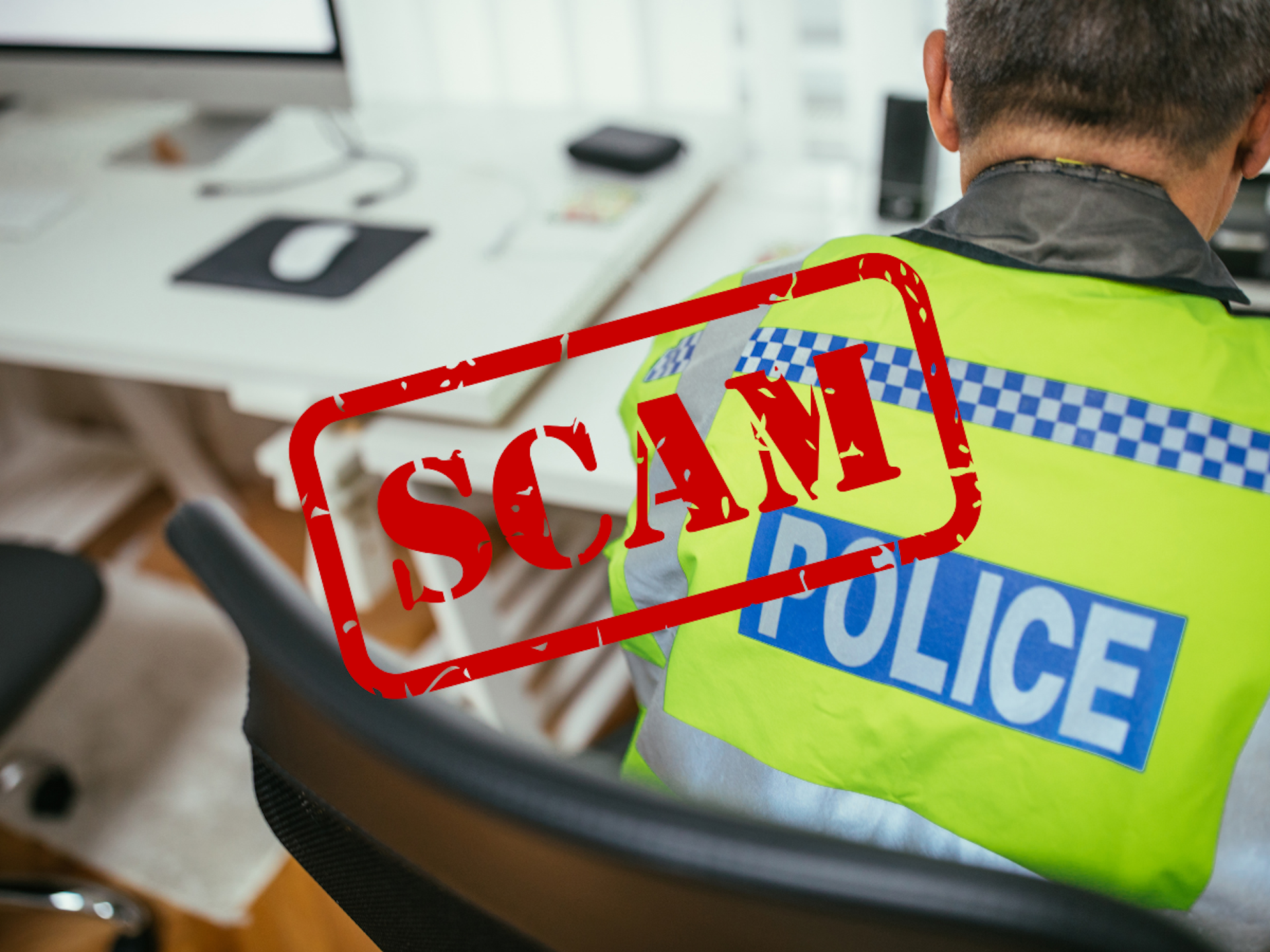
The big picture: Courier fraud occurs when criminals pose as police officers or bank officials to trick victims into handing over money, valuables or bank cards. The fraudsters use various tactics, often claiming there is a problem with the victim's account and they need help to catch "real criminals".
What they're saying: "Victims are not just elderly or vulnerable people. Those responsible are professionals, they know what to say and are very convincing," police said.
The details: Common tactics include:
Scammers claiming fraudulent payments have been spotted on cards
Fake arrests using victim's details
Requests to withdraw money to help identify "corrupt bank staff"
Asking victims to buy expensive items like watches to test for counterfeits
Demands to transfer funds to supposedly "safe accounts"
The criminals often keep phone lines open when victims try to verify calls, connecting them back to the scammers. Couriers or taxi drivers then collect cards, cash or valuables from victims' homes.

What to look out for: Police officers will never ask for bank details, PINs, cash handovers to couriers, money transfers, payment of fines over the phone, computer access, or assistance in investigations involving any of these actions.
What's next: Police are urging residents to share the warning with elderly and vulnerable family members, friends and neighbours, and consider measures such as call blockers.
Reports can be made to police and Action Fraud, with further advice available on the Action Fraud website.
The bottom line: Suffolk's new educational video aims to protect residents from increasingly sophisticated fraud schemes that have already cost the county hundreds of thousands of pounds.