Why it matters: The funding represents a 131% increase, but passengers wanting to know if buses will be cheaper, more frequent, or more reliable won't get many answers, with key decisions deferred until at least 2027.
The big picture: Suffolk County Council will receive the funding under the Local Authority Bus Grant (LABG) between 2026 and 2029, split between revenue investment for services and capital funding for infrastructure improvements.
The revenue money pays for running bus services – essentially subsidising routes that wouldn't be commercially viable for operators to run on their own, including new routes, increased frequencies and Sunday services introduced since April 2024, such as enhanced services across Ipswich and rural areas.
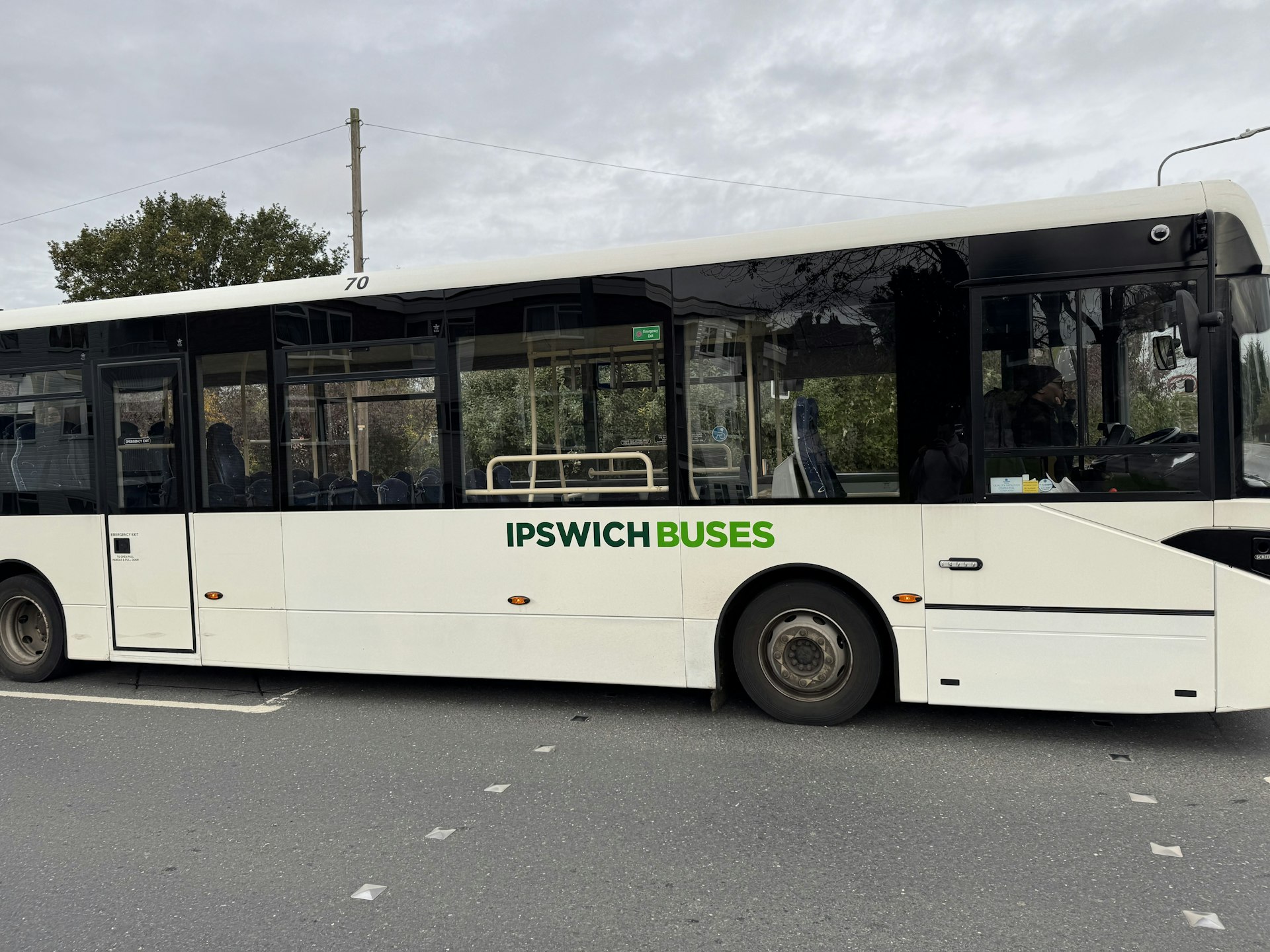
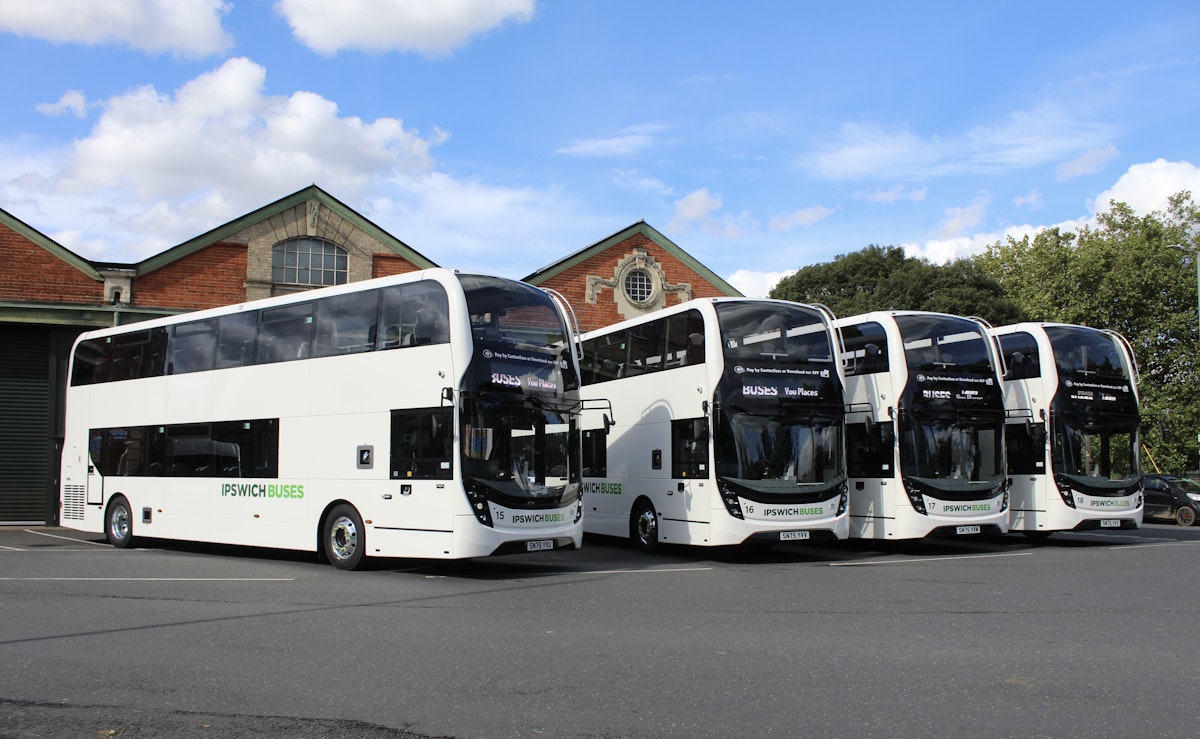
The capital fund pays for physical improvements – new bus shelters, real-time information displays at bus stops, better ticketing systems, and potentially new buses, though the council has not yet confirmed whether it can use the funding to purchase vehicles.
The council says the money will enable "continuation and expansion" of services introduced through government grant programmes since April 2024, many of which were shaped by community feedback.
The details:
2026-27: £8,849,119
2027-28: £8,937,920
2028-29: £9,026,721
First 15 new bus shelters ordered and expected to be installed in January
The council has around 40 enhanced bus routes currently receiving funding
Yes, but: Passengers looking for specifics won't find many:
There is no specific allocation for Ipswich, with funding distributed countywide based on need.
No fare reductions until at least 2027, with most revenue funding used on services.
Existing funded services "will be reviewed" and should continue "if they are carrying enough people". Sunday services are not guaranteed.
The council has not yet received funding terms to confirm whether capital can be used to buy buses.
Plans depend on operators, whether depots can support charging infrastructure and costs. The council says it is "too early to say" how many will be purchased or when – notable given Councillor Chambers' emphasis on "multi-year plans to transition to electric buses".
For context: All funding comes from the Department for Transport, with Suffolk County Council's core bus budgets remaining unchanged. Capital funding was only introduced this year with the move from the Bus Services Improvement Grant to LABG.
Suffolk's allocation is calculated by the Department for Transport based on population and deprivation measures, meaning the county receives roughly the same per head as neighbouring authorities. Norfolk is receiving more because it secured funding in an earlier grant round, and the DfT took into account that some of that money was used for new services, which would need continued support.
What they're saying: Councillor Chris Chambers, Suffolk County Council Cabinet Member for Transport Strategy, said: "Certainty of funding allows Suffolk to work with operators on multi-year plans to transition to electric buses, improving air quality in town centres and ensuring more reliable operations.
"With guaranteed funding in place, we can deliver the improvements our communities have asked for – better services in our towns and rural areas, and more accessible stops."
Councillor Sandy Martin, Leader of the Labour Group, welcomed the funding increase but challenged priorities: "There is little evidence that prices are the main hurdle for bus passengers – not knowing which buses run when and whether they are on their way is far more of a problem."
On electric buses, he said: "The carbon saved by people travelling by bus as opposed to as a single car occupant is far in excess of the additional saving from making that bus an electric vehicle. Until electric buses become cheaper to buy or lease, the focus should be on improving the bus network and increasing the take-up of passengers."
Councillors from the Green, Liberal Democrat and Independent Group, and Reform UK were approached for comment but had not responded at the time of publication.
What's next: The council will review existing services to determine which should continue, with any remaining funding available for new ideas submitted through its public consultation portal. Infrastructure improvements, including shelters and real-time information displays, will be implemented "as soon as possible after we actually have the money in the bank", according to the council.
Residents can suggest new routes or service improvements through the Suffolk On Board website.
The bottom line: Suffolk has secured substantial investment in its bus network, but the gap between headline promises of "certainty" and the council's conditional commitments means passengers must wait to see what the £26.8 million actually delivers.