
Suffolk free school meal eligibility hits record high of 23%
Suffolk has reached its highest recorded level of pupils eligible for free school meals, reflecting a national trend that has prompted Government intervention.

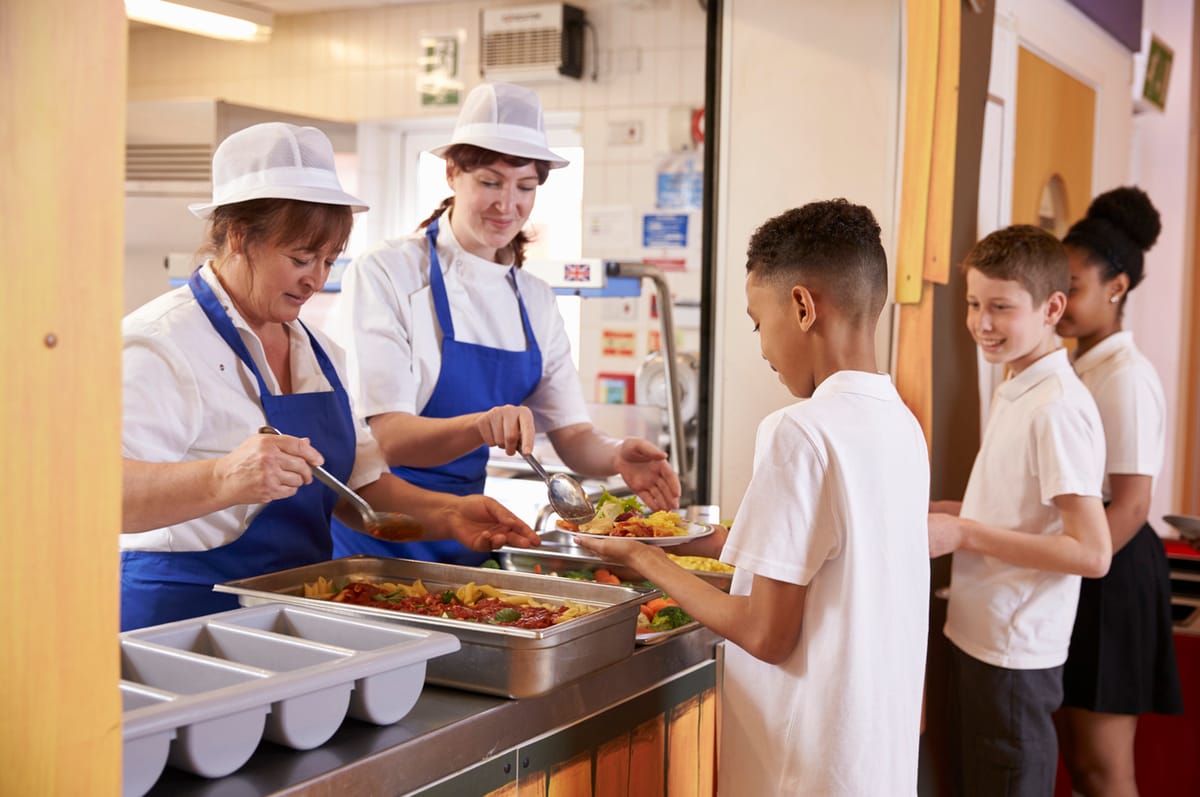
Why it matters: Suffolk's rising eligibility mirrors a nationwide trend that has reached its highest level since records began, prompting the most significant expansion of free school meals in years.
By the numbers: Department for Education figures show 23,349 (23%) of the 103,232 pupils in Suffolk were eligible for free school meals in January. This was up from 22% the previous year and represents the highest figure since records began in 2015-16.
The bigger picture: Across England, an additional 77,700 children became eligible for free school meals last year, taking the total to more than 2.17 million in January. This means 25.7% of pupils were eligible – up from 24.6% a year earlier.
What's next: The Government announced plans last week to expand free school meals to all households in England that claim Universal Credit from September 2026. Currently, households on Universal Credit must earn below £7,400 a year (after tax and not including benefits) to qualify.
The details: The Government states that the expansion will make 500,000 additional children eligible and save parents nearly £500 per year. The Government suggested the change would lift 100,000 pupils across England out of poverty.
What they're saying: Andrew Forsey OBE, national director of Feeding Britain, said: "The Government's decision to expand eligibility to a broader group of children in poverty, whose parents work for low wages," will help hundreds of thousands more children break free of the hunger trap.
However, he warned: "Yet all too many children remain trapped, despite being eligible, as they're not registered for their free school meal entitlement. As a next step, to help every child break free, the Government needs to introduce a policy of automatically enrolling all eligible children for free school meals."
Stephanie Slater, founder and chief executive at School Food Matters, welcomed the expansion plans, saying it will "replace the draconian eligibility criteria".
She said: "For children living in food-insecure households, the value of a guaranteed hot, nutritious meal each school day cannot be overstated. This extension means many more children from struggling households will have access to that vital support too."
She added the benefits extend beyond tackling hunger: "We know from all the evidence that this is one of the best investments a government can make – not only for children's long-term health and learning but for the economy too. Teachers often tell us they can see the difference in children who come to class after having a nutritious meal, as they are more focused, energetic, and ready to learn."
What's next: A Department for Education spokesperson said the Government will launch an upgraded eligibility checking tool next year to make it simpler for parents to see if they can benefit.
The bottom line: Suffolk's record-high free school meal eligibility reflects national increases in child poverty, prompting Government action that could benefit hundreds of local families while improving educational outcomes and economic prospects.
This article cost us ~£12 to produce
It's free for you to read thanks to the generous support of our partners.
Below the line