
Suffolk firms put big decisions on ice as Budget divides confidence
Five days after Rachel Reeves delivered her £26 billion tax-raising Budget, Suffolk businesses remain divided on whether the Chancellor has provided the certainty they need – with most major investment decisions deferred until 2026 as firms weigh painful clarity against missing reforms.

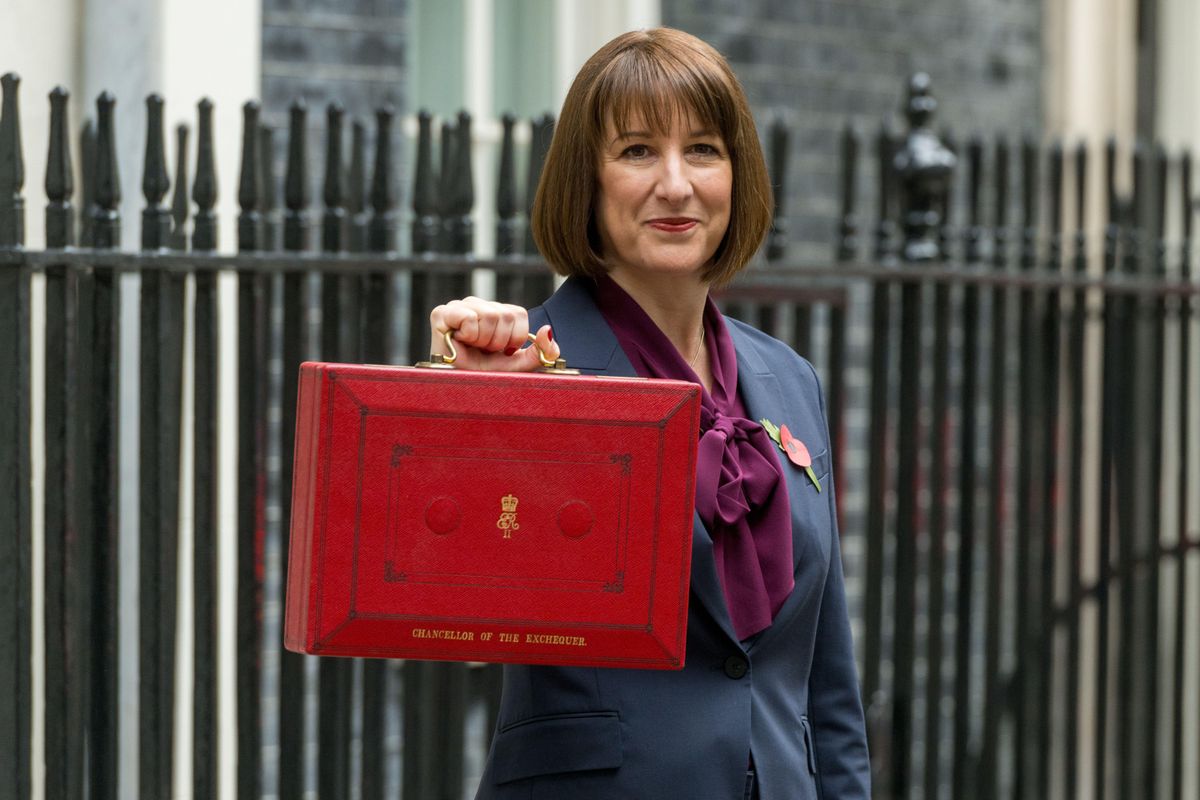
The delay reflects competing interpretations of the statement: does knowing what's coming – even if painful – finally allow forward planning, or does a fiscal plan that defers most measures until 2028-2029 simply reshape uncertainty rather than resolve it?
Painful clarity beats uncertainty
"Being penalised for ambition and growth is frustrating, but the alternative – not striving to do better – has never been part of who I am," said Melissa Neisler Dickinson, owner of the Menopause Vitamin Company and Menopause Support Suffolk. She is reviewing key decisions before Christmas, adding: "This Budget confirmed that pricing properly is essential for long-term sustainability."
Her resilience comes against record taxation: the overall burden projected to reach 38 per cent of GDP by the end of the decade. Economists warn that fiscal drag – the stealth effect of frozen thresholds – is breaking Labour's pledge, with millions pulled into higher tax bands despite no headline rate rises.
Greg Newman, co-founder of Lanman Solar, said the clarity helped: "This Budget hasn't transformed our confidence overnight, but it has reduced some of the uncertainty we'd been navigating. We're continuing with our planned work and will be taking a steady, 'wait for the detail' approach."
Yet growth is forecast at just 1.5 per cent through the parliament, with business investment expected to contract by 0.4 per cent in 2026 – the first decline since the Covid-19 pandemic.
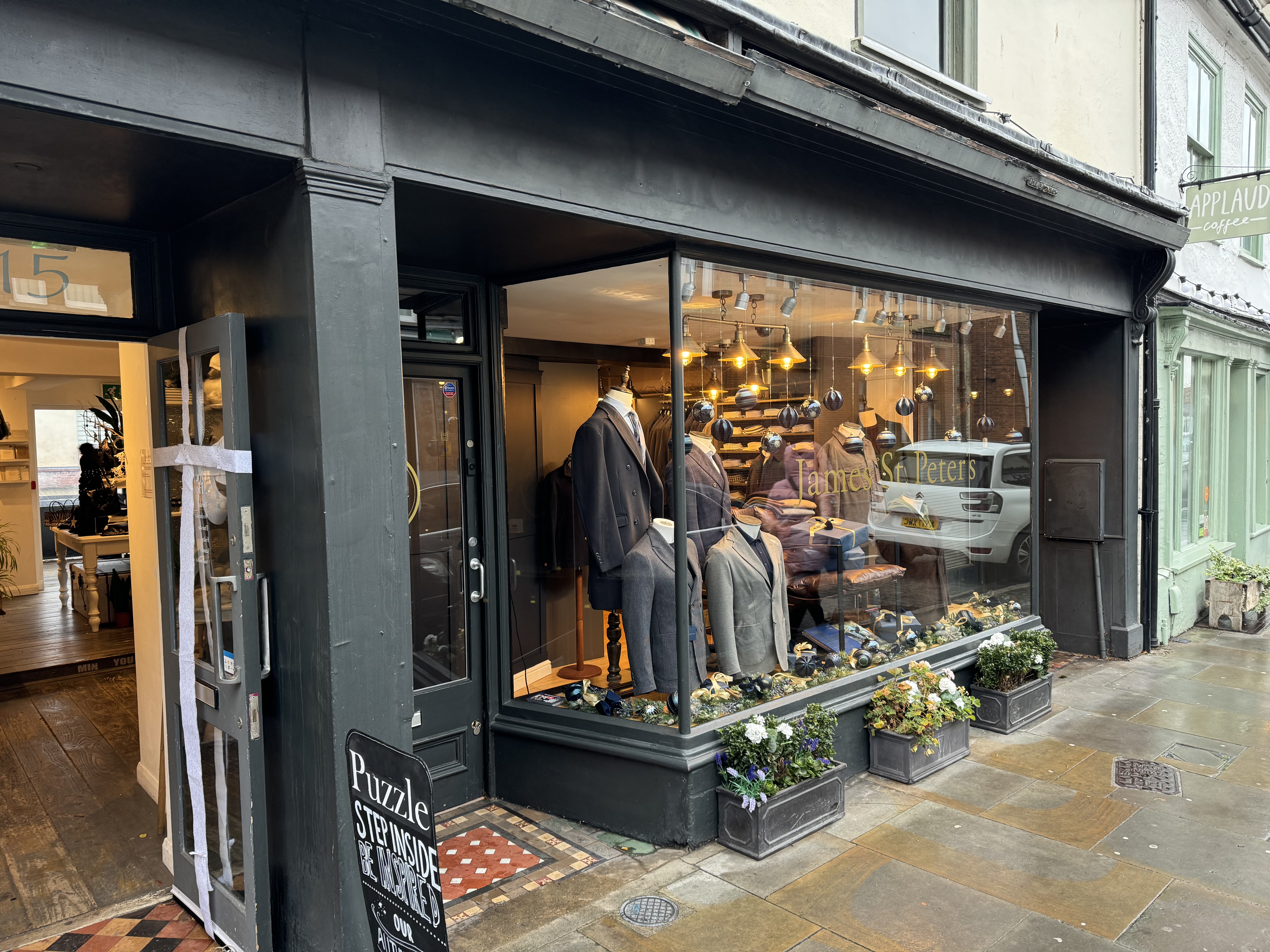
Mark Hubert, founder of James St Peter's, said he wants to believe the trade-off will pay off: "The Government appears to be backing long-term growth at the cost of some short-term pressure. Stability is what many of us have been waiting for." But success depends on delivery: "The real benefit will come only if stability leads to stronger consumer confidence. For many independents, that confidence matters just as much as any fiscal measure."
Peter Harrup, head of BDO in East Anglia, said: "After months of speculation, it's a relief to finally have some clarity on the way ahead for tax – even if the changes may be painful". National commentators warn the Chancellor has "sacrificed trust" through stealth taxes, describing her approach as "risky risk aversion."
Colin Low, managing director of Kingsfleet, echoed that mix of relief and caution. "The pre‑election focus on 'growth' seems to be (the Budget's) message. In order to fund benefits enhancements, the government is hoping wealth creators won’t be disincentivised by higher taxes. I’m probably less confident about 2026 than before," he said. Yet he welcomed the end of speculation: "At last, we have certainty. The last few months have consisted of leaked proposals and tabloid guesswork. No changes yet, but we will methodically work through our client bank and update anyone who needs to make adjustments before Christmas."
But for others, that relief quickly gave way to a deeper malaise about what the Budget fails to address.
Where the Budget hurts
For Paul Orriss, joint managing director of Gipping Construction, the Budget revealed what it fails to address: "Less confident," he said when asked if he was more or less confident about 2026. "The Budget has done nothing to address the major issues. This was not a budget for business but more for backbenchers."
"It could have been worse, but this Budget has not addressed the issues around the tax system. Instead, it has hiked around the edges," he added.
His scepticism echoes national verdicts that the Budget was timid. The OBR has cut underlying productivity growth to 1 per cent and warned Britain remains "stuck in the slow lane." Leading economists warn of "two lost decades" without reform.
Guy Longhurst, managing partner at Ellisons Solicitors, said he sees the damage in recruitment and retention. Policies which "make it more expensive to recruit and reward people" undermine efforts to be "a great place to work, train and progress." He warned increased taxes on unearned income will deter investment in private rental property, making it "harder for young people and workers to find homes locally."
Nick Hampton, director of RSZ Accountancy, was more blunt. "Business owners are going to continue to suffer death of 1,000 cuts. Frozen thresholds, rising employment costs, and disguised burdens mean I’m less confident about 2026 than before. Investment will yield lower returns, and those returns are going to be taxed higher," he said. He warned distortions are already visible in the rental market: "Private landlords are paying tax on money they aren’t even making – crazy idea. Many are exiting, professional landlords are charging sky‑high rents, and I think we’ll see the same in the South East. Businesses will have to raise prices to survive, fuelling inflation and slowing any planned reduction in interest rates."
Nick Attwell, chief executive of Attwells Solicitors, breathed a "sigh of relief" that "business was generally not the subject of the tax hikes in the Budget" after last year's employer national insurance rise. He acknowledged "some damage has been done in the last six weeks with all the negative news around what would be in the Budget," but said he hopes "some confidence will now return with it not being as bad as expected."
Resolution Foundation analysis found a worker on £35,000 will be £1,400 worse off by 2030, with 780,000 low earners dragged into paying tax for the first time. Combined with the pension cap, ordinary savers face a perfect storm of rising costs.
Decisions deferred, not cancelled
For Kristian Day, director of Insight Energy, predictability has always mattered more than specific measures.
Five days on, that pattern is emerging across sectors: proceed with existing commitments, defer anything discretionary.
Farida Rouane, an independent financial adviser at Upside Finance, said advisers are accelerating pension contributions and maximising ISA allowances before limits reduce. "Q1 2026 will be dedicated to implementing these strategies. Maximising pension contributions before 2029 and reviewing ISA strategies before 2027 will be crucial."
Three-quarters of the tax rises will not bite until after April 2029, just months before the next election. The Institute for Fiscal Studies warns that when plans are back-loaded like this, "it doesn't actually turn out the way you planned." The OBR gives the Chancellor just a 59 per cent chance of meeting her fiscal rules.
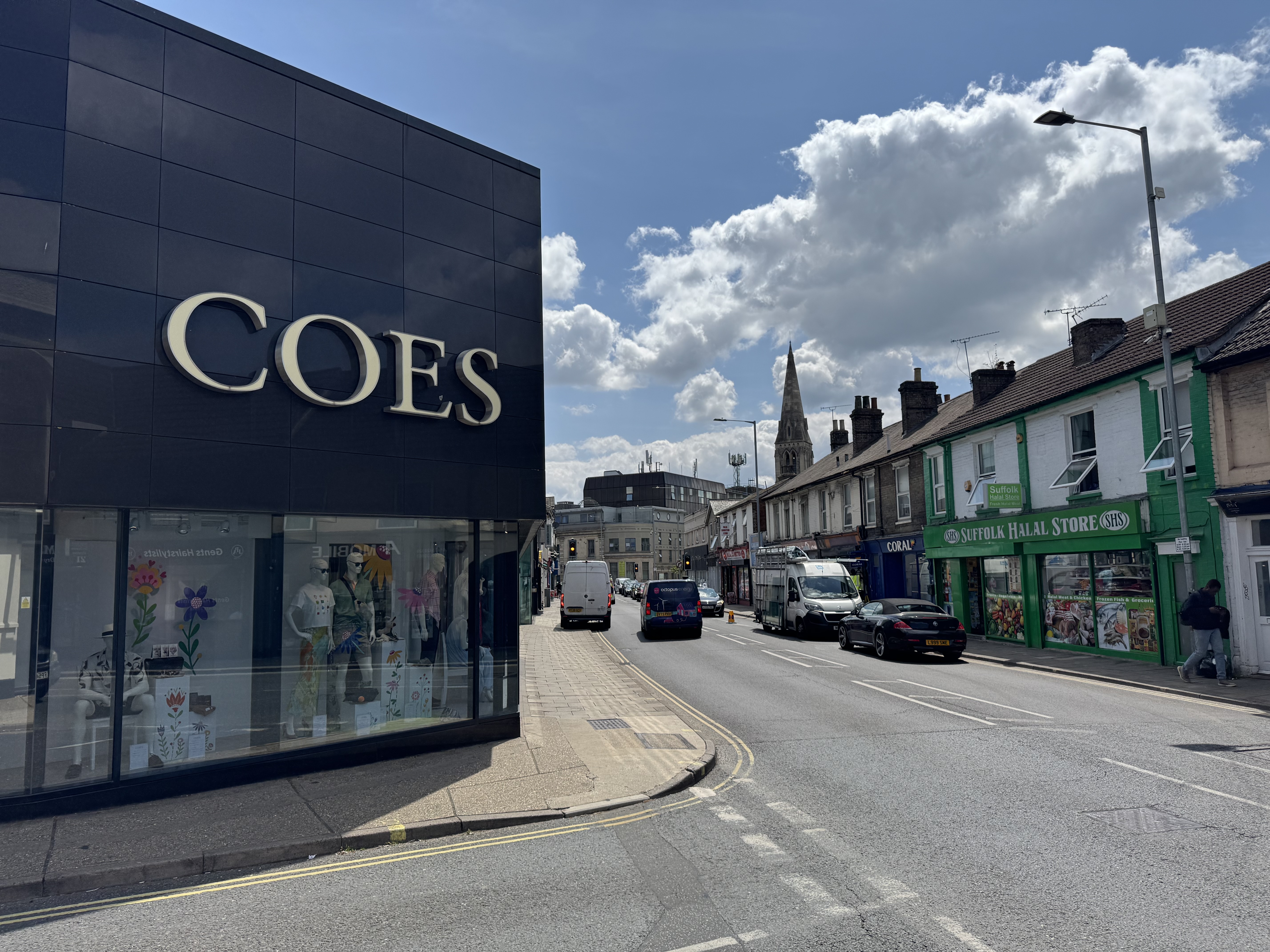
William Coe, managing director of Coes, captured the prevailing malaise: "The extra costs from the budget will add to the challenges we face and will not in the short term help economic growth." Yet he said he hopes the Budget "will give the Chancellor the headroom she needs so we can have a few years of certainty," though he adds the government "failed to address the reform needed."
Wishlist undelivered
John Dugmore, chief executive of the Suffolk Chamber of Commerce, said the absence of infrastructure commitments was critical: "This must mean the Government giving the go ahead to major capital projects such as the Ely and Haughley rail junctions and improvements to the A14 in Suffolk, including the Copdock Interchange."
Alan Pease, principal and chief executive of Suffolk New College, said wage rises "will create financial pressures for colleges." Budget papers show youth unemployment at 15.3 per cent and NEET levels at 12.7 per cent.
Candy Richards of FSB East Anglia said: "The huge hikes in the cost of employment are hikes many small firms simply cannot afford. Businesses will be left with a stark choice — increase prices or cut jobs." Without bold reform, businesses face being "stuck in this persistent doom-loop."
The bottom line
Can bad news be good news? For months, Suffolk businesses stressed that Budget uncertainty was paralysing investment. Now they have certainty – but it comes with a £26 billion tax bill, frozen thresholds, and sluggish growth forecasts. Some firms welcome painful clarity as permission to act; others say it only confirms what is missing.
The real test will come in Q1 2026, when deferred decisions reveal whether Suffolk's pause was tactical — or the start of a deeper freeze. As Paul Simon of Suffolk Chamber put it: "Small tactical wins, but lacking in strategic direction."
This article cost us ~£114 to produce
It's free for you to read thanks to the generous support of our partners.
Below the line