
Bypass calls reignited as A14 crash leaves lorry driver fighting for life and town gridlocked
A serious crash that left a lorry driver in a critical condition and shut the A14 for more than 18 hours has thrown the Northern Bypass debate back into sharp focus, just days after Ipswich MP Jack Abbott bluntly concluded that the town has "gone round in circles for years."

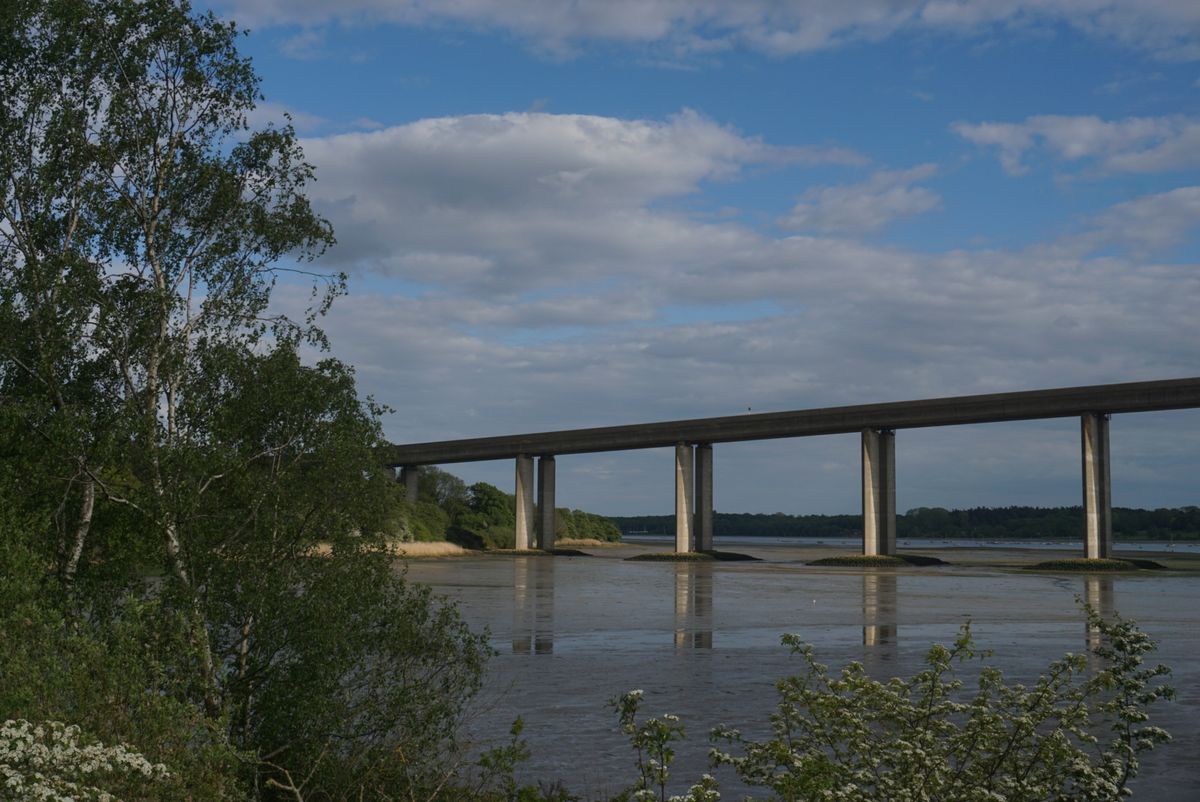
Why it matters: Abbott's comments, made just days before Tuesday's collision, mark one of his most candid public assessments yet of why Ipswich has struggled to secure major infrastructure investment – with the crash serving as a reminder of why those concerns matter.
The details: Police were called at approximately 19:35 on Tuesday, 3 March, to reports of a collision between two lorries on the A14's westbound carriageway near Sproughton.
- One driver, a man aged in his 60s, had to be freed by the fire service after becoming mechanically trapped in his vehicle.
- He was taken to Addenbrooke's Hospital, where he remains in a critical but stable condition.
- The other driver, a man in his 40s, sustained minor injuries.
- The road was closed in both directions between Copdock and Whitehouse for more than 18 hours.
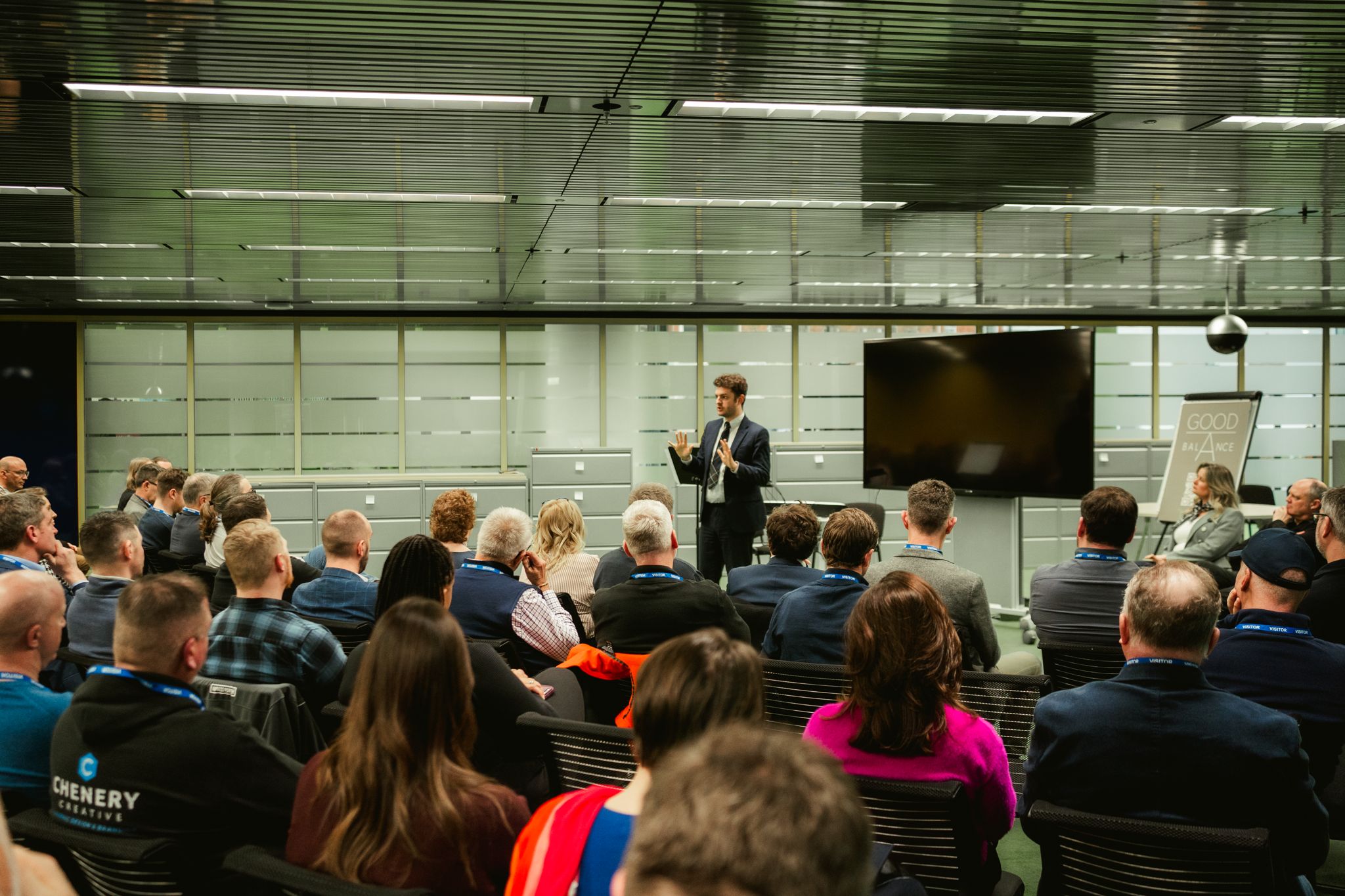
What they're saying: Speaking to more than 70 senior business leaders at the Willis Towers Watson building in Ipswich on Friday, 27 February, Abbott said the town's approach to infrastructure lobbying had been "amateur and stodgy."
He said Suffolk County Council, the Local Transport Authority, had never put a solid plan in front of government. "We have gone round in circles for years," he said. "There’s never been a solid plan that's been properly shared with government. Not in 2020 when the strategic outline business case was done, and not in any year since."
He referenced Suffolk County Council's demands from the Government, despite producing no plans, comparing the situation to approaching a business investor without a proposal: "Imagine going to someone and saying, 'I'm not quite sure what I can deliver yet, but could you give me £500,000 and I'll tell you later?' You'd get laughed out of the room."
Speaking to Ipswich.co.uk following the event, Abbott said: “Firstly, my thoughts are with the driver who is in critical condition - I wish him well in his recovery.
“The situation we are seeing now is a large result of the Suffolk County Council’s ‘do nothing’ approach since the authority cancelled work on the Ipswich Northern Bypass half a decade ago.
“As the Local Transport Authority, they have failed to put forward a single credible alternative to our road network’s single point of failure, and our town and the surrounding area are paying the price.
“It is time they made a choice: Either they get to work on the plans for a Northern Bypass, as they promised last summer, or they are honest with people and say they have no intention of doing so, irrespective of the harm it is doing to people and business in and around Ipswich.
“In fairness to the Conservatives, they are not the only ones condemning Ipswich and the surrounding area to a future full of traffic chaos, with the local leaders of Reform and the Greens both voting against a Northern Bypass last year.
“It is clear that continued inaction is a deliberate choice to harm [the] long-term interests of our town and county.”
Paul Simon, Suffolk Chamber's head of public affairs, said the full consequences of Tuesday's crash were "severe in terms of hours and hours of disruption, delays and additional costs to businesses." He said the Chamber believed the only way to meaningfully minimise the impact of such incidents was through "the whole of the Suffolk system campaigning together for a range of solutions, from the comparatively inexpensive and easy-to-implement to the more costly and longer-term."
What's next: Paul Ager, chair of Suffolk Chamber's Transport and Infrastructure Group, said the group supported calls for a reduction in speed limits between junctions 51 and 58 to "help modify and improve driver behaviours," and expected National Highways to "treat this proposal with urgency." He added that the group was also lobbying National Highways to deploy staff along the A14 to improve recovery times after accidents and was building the statistical case to demonstrate the negative impacts of closures "on the national economy – and not just the local or regional ones."
On longer-term infrastructure, Ager said the group was making the case for junction 55 at Copdock Interchange to be prioritised as an urgent priority in the current Roads Investment Strategy period, and was "working up the details to identify other national and local solutions to increased road capacity in and around Ipswich, including early investigations into options for an Ipswich Northern Route."
For context: A petition in favour of the bypass launched by Abbott attracted more than 2,000 signatures last year, while ten major Ipswich employers united behind his bypass bid, warning the current situation is "simply not acceptable" for a region of such economic significance.
The bottom line: Tuesday's crash will not be the last. The A14 will close again – whether through a collision, maintenance or emergency works – and when it does, Ipswich will face the same gridlock, the same disruption and the same unanswered questions. How much longer the town can go without a credible plan to address that vulnerability remains to be seen.
This article cost us ~£54 to produce
It's free for you to read thanks to the generous support of our partners.
Below the line