Why it matters: The service was issued with a cause of concern in 2024 after inspectors found senior leaders were providing poor oversight, not acting as role models, and that staff felt unheard. All five recommendations from that inspection remain open following a revisit in October 2025.
The big picture: Suffolk County Council has invested £1.6 million over two years to support the service's improvement efforts, funding additional posts with nine recruited so far and a further eight roles still to be filled, plus external training and leadership development programmes. The service developed a comprehensive 37-goal action plan in consultation with staff and representative bodies.
The details: Inspectors found encouraging signs of progress, including strengthened governance arrangements and most senior leaders displaying positive behaviours. However, they also identified persistent problems:
Some staff still didn't demonstrate expected behaviours and values, with one staff member using inappropriate language while complaining that training in values and culture was "a waste of time"
Senior leaders weren't consistently providing feedback to issues raised during workplace visits, with one team saying they had never received responses to several points they raised
Staff felt overwhelmed by communications across multiple platforms, with one manager returning from annual leave to more than 100 work-related instant messages plus emails and bulletins
Many staff lacked confidence in the anonymous reporting line for raising concerns, with poor communication about how it works
What the inspectorate found: While recognising that cultural change takes time, inspectors said the service "should do more to create a culture where staff feel confident to raise issues and concerns" and needs to "continue to build the trust and confidence of its workforce."
The inspectorate noted: "We were disappointed to find that a few staff didn't demonstrate the expected behaviours and values during our revisit. Despite progress, the service still needs to do more to make sure its values and behaviours are demonstrated across the whole organisation."
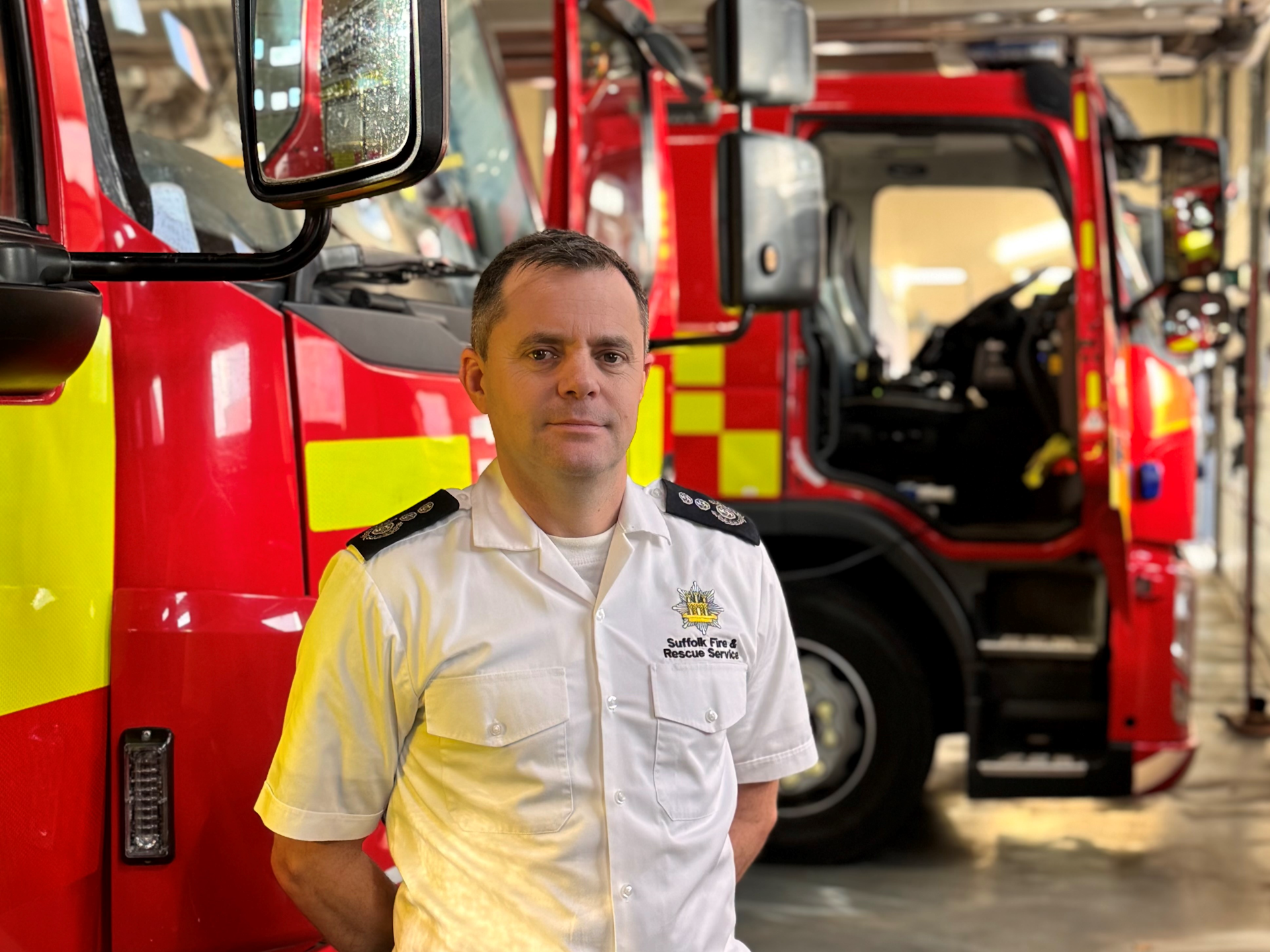
What they're saying: Chief Fire Officer Jon Lacey said: "We are building a positive, inclusive and values-led culture, and while we are encouraged by this feedback, we know we are only partway through our improvement journey. Our focus now is on continuing to embed change, strengthening leadership behaviours, and ensuring that improvements become sustainable and consistent across the organisation."
Councillor Steve Wiles, cabinet member for public health and public protection, said: "There is more work ahead, but strong foundations have now been put in place, and we will continue supporting the service as it delivers the high standards our communities expect."
The other side: The service' claimed inspectors were "satisfied with the progress" and described "early positive change across leadership, governance and organisational culture." However, the inspectorate's letter states: "Overall, I am satisfied with the service's current progress, but there is still much more work to do to improve the culture of the organisation."
What's next: The inspectorate will continue to monitor progress through updates from the service and will review progress in more detail at the next scheduled inspection. The service needs to ensure improvements are sustainable beyond the two-year funding period and consider the impact of potential future devolution.
For context: The original inspection in August and September 2024 identified serious concerns about leadership and culture, including senior leaders being "disengaged from the issues raised by managers and the wider workforce" and providing "poor scrutiny and oversight." The cause of concern prompted the service to add the issues to its risk register and establish new governance structures.
The bottom line: While Suffolk Fire and Rescue Service has made some progress on addressing its cultural problems, with significant investment and new structures, inspectors found the improvements are not yet embedded consistently across the organisation, with some staff still not demonstrating expected values and persistent issues around communication and trust.