Why it matters: According to police, the initiative demonstrated remarkable success, with one Ipswich venue seeing sexual and serious violent offences drop by 90%, while another recorded a 40% reduction.
The big picture: Despite clear evidence of effectiveness, no concrete plans have been announced to reinstate the programme 12 months after its conclusion, raising questions about long-term commitment to successful nighttime crime prevention strategies.
The success story: The project tackled rising night-time economy violence through targeted collaboration with venues:
One Ipswich nightclub reduced incidents from 32 to just 9 (72% overall reduction)
Another venue cut incidents from 79 to 46 (42% overall reduction)
Countywide, 75 fewer crimes were recorded, saving an estimated £99,000
Sexual or serious violent offences associated with venues fell by 47% across Suffolk
How it worked: Nightclubs appointed dedicated "welfare officers" and implemented measures including offering free soft drinks to vulnerable patrons, creating "chill out" spaces, conducting drug testing on arrival, and using breath-testing devices to reduce conflicts.
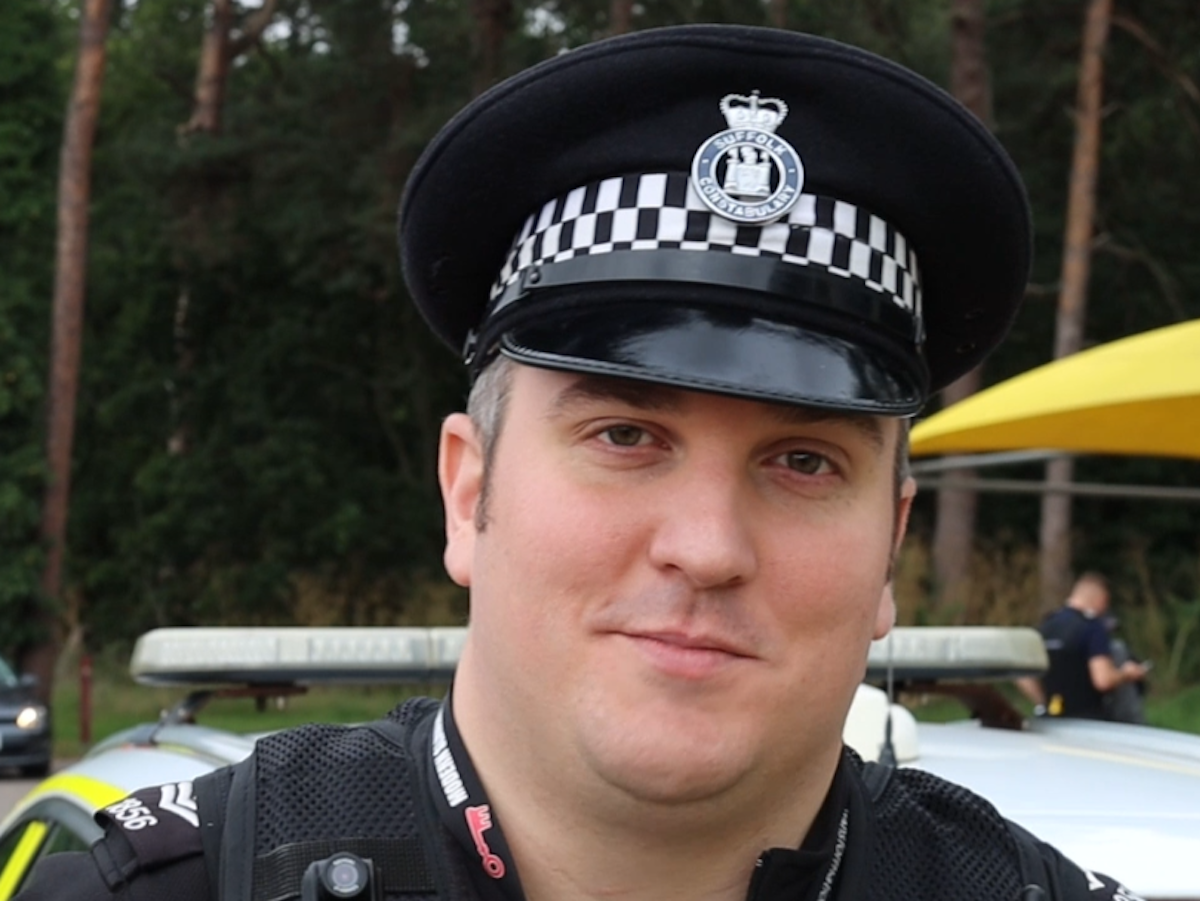
What they're saying: Acting Inspector Dan Peck said: "Violence in the night-time economy and specifically violence against women and girls makes headlines and can cause a fear of crime. The scanning of data in Suffolk shows we are a really safe county to live in but I believe there is always something police can do to protect people."
The funding question: A Suffolk Police spokesman explained: "We are looking at alternative funding opportunities to build on this project. This follows extensive evaluation by the Constabulary both of the aims but also the outcomes of this time-set scheme."
The case for continuation: The seven-month initiative was designed with specific objectives and timeframe, suggesting it may have been conceived as a pilot programme rather than an ongoing operation.
However, the project's success in reducing incidents, particularly against women, provides a strong argument for continuation with cost savings potentially offsetting a portion of the programme's cost.
The challenges ahead: Securing sustainable funding for preventative policing initiatives remains difficult amid competing priorities. The project also required significant coordination between police, venues, and community partners, which takes resources to maintain.
The bottom line: While the College of Policing has highlighted the project as exemplary practice, converting a successful trial into a permanent programme requires committed funding and resources – a familiar challenge in public services despite demonstrable success.