
Mixed progress at local hospitals under Labour as resident doctor strike looms
As resident doctors prepare to strike, East Suffolk and North Essex Foundation Trust shows improving emergency care but worsening treatment delays one year after Labour promised to rebuild the "clearly broken" NHS, with 76% of A&E patients seen within four hours in June.

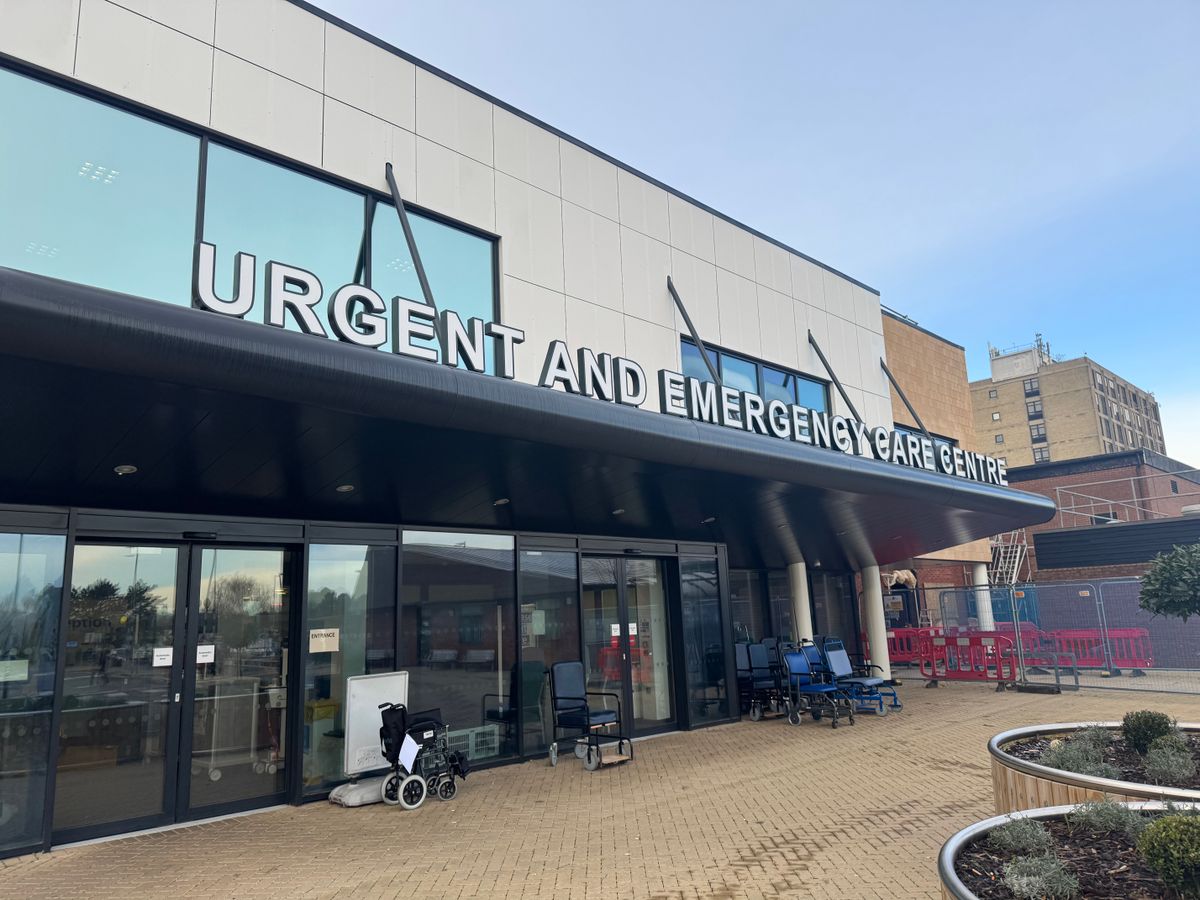
But almost 100,000 waiting for routine treatment.
Why it matters: The mixed results highlight the complex challenge facing the NHS as the government attempts to deliver on waiting time pledges whilst implementing significant health service reforms.
The details: Recent NHS England figures show 27,620 visits to A&E at East Suffolk and North Essex NHS Foundation Trust in June, with 76% of patients seen within four hours – up from 74% a year earlier under the previous government. However, this still falls short of the recovery target of 78% by March 2026.
Meanwhile, 91,062 patients were waiting for non-urgent elective operations or treatment at the trust at the end of May – down slightly from 91,893 in April, but an increase from 87,892 in May 2024. Of those, 3,252 (4%) had been waiting for longer than a year.
The median waiting time from referral to treatment was 15 weeks at the end of May – unchanged from April.
Cancer care performance has also declined, with just 68% of patients urgently referred by GPs starting treatment within 62 days in May, down from 72% in April and 77% in May 2024. The NHS target is 85%.
Diagnostic tests reveal further pressures, with 13,996 patients awaiting standard tests, including MRI scans, and 1,250 (9%) waiting for at least six weeks.
What's next: Waiting times face a further setback as resident doctors, formerly referred to as junior doctors, go on strike at 07:00 tomorrow, Friday, 24 July, after pay talks with Health Secretary Wes Streeting broke down.
Disruption is expected to continue until strikes end at 07:00 next Wednesday, but hospital bosses have asked patients to assume their appointments will go ahead and that they will be notified if this isn't the case.
What they're saying: Health and Social Care Secretary Wes Streeting said the figures showed the government has "put in the work to finally get our NHS moving in the right direction" but warned strike action could jeopardise progress.
"This recovery is only just beginning, and it is fragile. It is only with NHS staff and the Government working together that we can rebuild our NHS so it is there for patients once again," he added.
ESNEFT Chief Executive Nick Hulme said, “Our main focus will be on making sure that patients in our hospitals are safe and that the quality of care we give during this time is as good as it can be.
“It’s our patients who will pay the price for this industrial action, so we apologise in advance to anyone that’s negatively affected. We will rearrange new dates for them as quickly as possible.
“It’s so important our communities know that they can still seek medical help if they need it during the strike action. The public should continue to use 999 and A&E in an emergency. They can also use NHS 111 online and community services like GPs and pharmacies, which will be open as usual for help and advice.”
The bottom line: One year into Labour's tenure, our local NHS trust's mixed results – better A&E performance but longer treatment waits – underscore the government's uphill battle to rebuild the NHS while looming doctor strikes threaten to derail fragile progress.
This article cost us ~£39 to produce
It's free for you to read thanks to the generous support of our partners.
Below the line