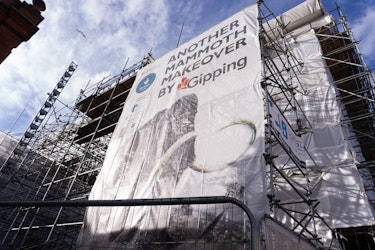
This week perfectly captured the impossible contradiction at the centre of Ipswich's regeneration story.
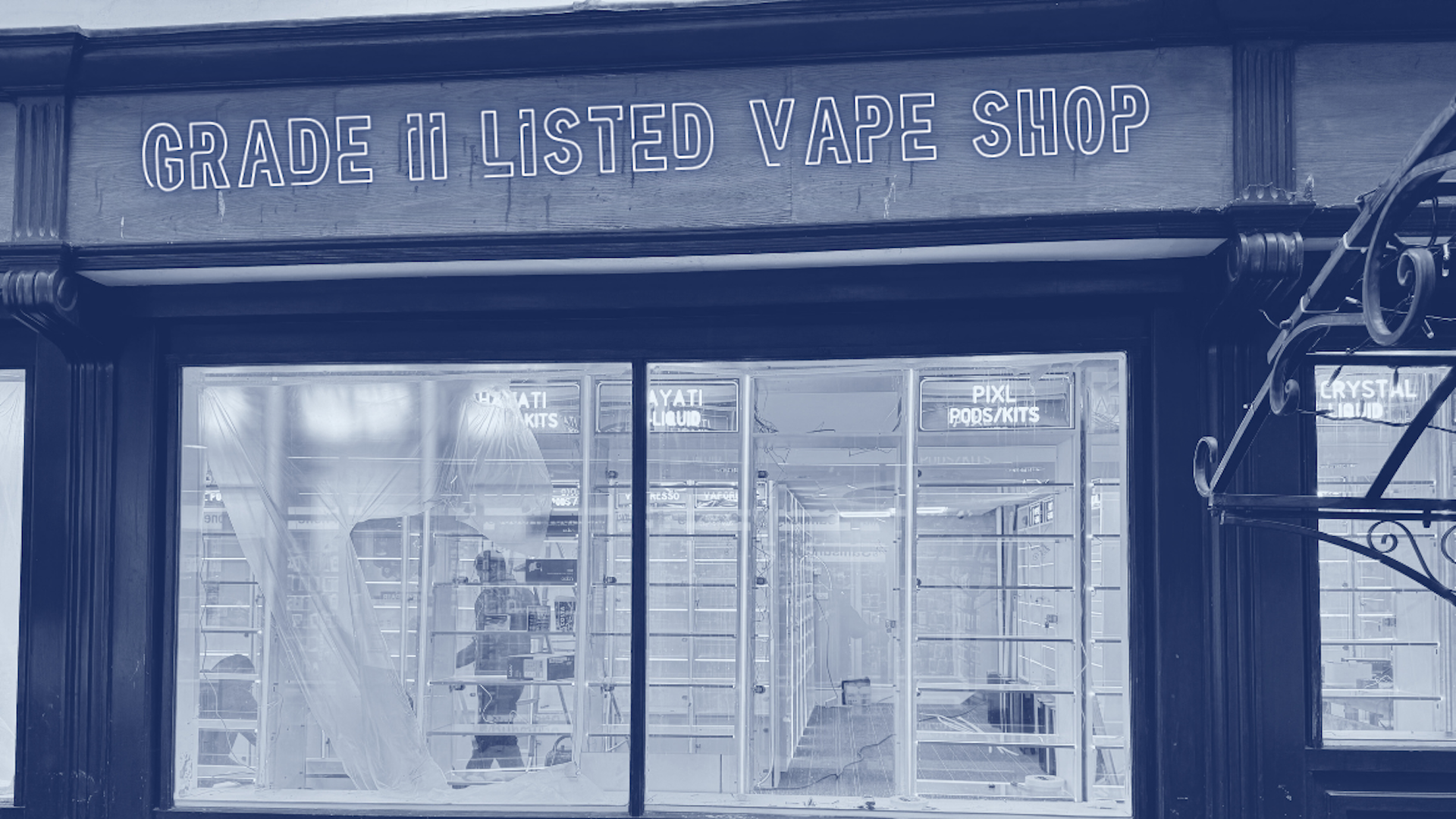
On Monday, a family business announced a £2 million investment in our waterfront – creating 20 jobs and Suffolk's only town-centre spa. On the same day, contractors began fitting neon strip lights into a Grade II listed high street building that is set to become yet another vape shop.
One story shows what Ipswich could be. The other shows what our government and law enforcement is letting it become.
What real investment looks like
The Salthouse Harbour Hotel's announcement should have dominated the headlines. A family business marking 60 years in Ipswich by betting £2 million on the town's future. Suffolk's only town-centre waterfront spa. A wood-fired sauna boat moored on the marina. Twenty skilled positions – spa therapists, wellness hosts, marina attendants. This is what investment looks like: long-term commitment, building on local strengths, creating something unique.

Instead, the story competes for attention with news that 30 Tavern Street – a stunning Grade II listed building – is being fitted with tacky white display units and customary neon strip lighting to join the growing parade of phone shops, vape stores, minimarts and barbers that now dominate our once glorious high street.
Value creation versus value extraction
The economic contrast could not be starker.
The Salthouse investment recirculates money through the local economy. Jobs are skilled, stable, and connected to an industry with genuine prospects. The project builds on what makes Ipswich special – our waterfront, our history, our potential as a genuine destination.
Vape shops offer none of this. They are exploitive vice retailers, selling products that create no positive value, whilst detracting from everything around them. The money does not stay local. The jobs are low-wage and precarious. And whilst this particular store may be entirely legitimate, the proliferation of similar businesses across Britain is inextricably linked to organised crime networks trafficking illegally imported goods that generate no tax revenue for this country.
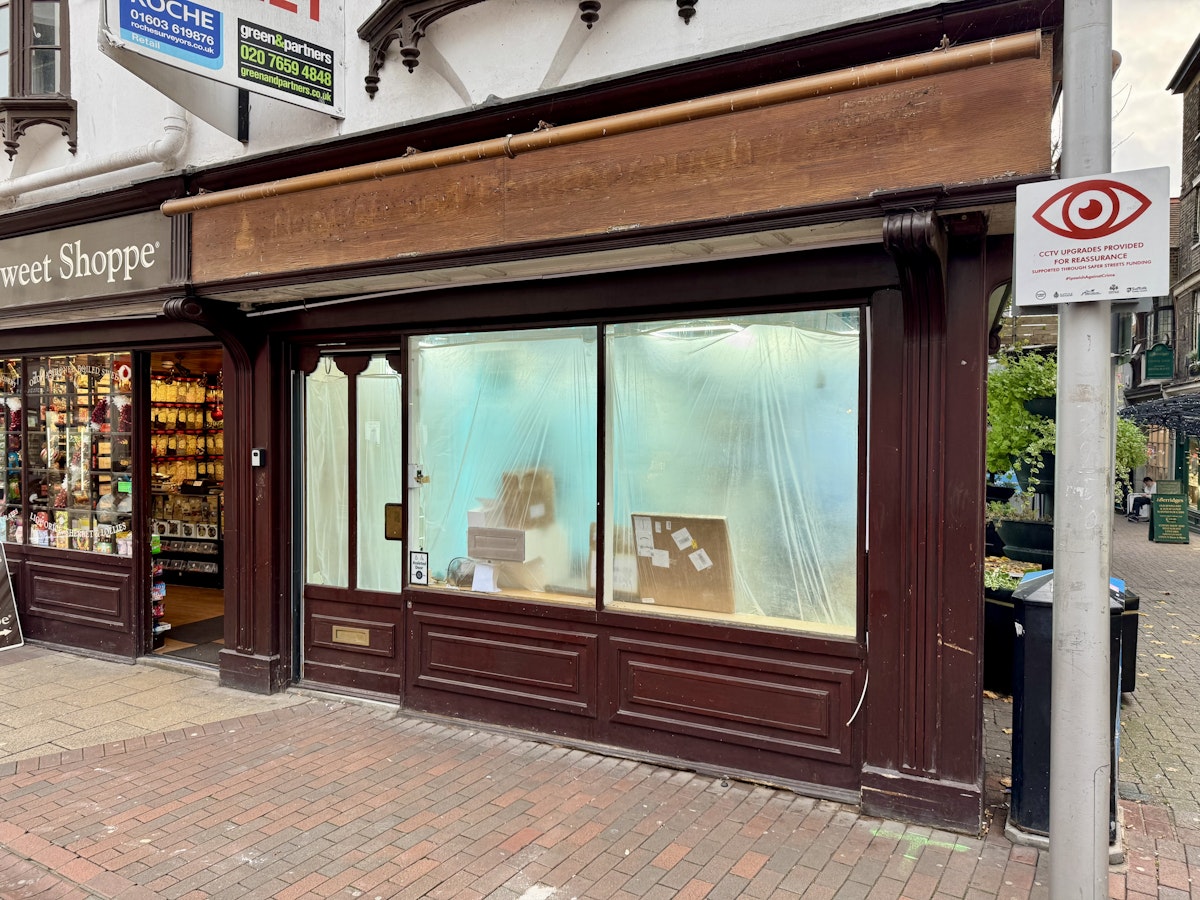
The damage extends far beyond economics. Every phone repair shop and vape outlet that opens makes Ipswich less attractive as a destination. Each neon-lit frontage degrades our architectural heritage. Each clustering of suspicious businesses pushes legitimate retailers further away. The opportunity cost is enormous – every unit occupied by a vape shop (or similar) is a unit that could house a restaurant, an independent retailer, or a business that gives people a reason to visit Ipswich rather than a reason to avoid it.
Landlords are trapped, but they still choose
Landlords are not villains in this story. They face genuine economic pressure. Empty units cost money whilst generating nothing. Vape shops pay rent – in this case, £32,500 per annum, if the tenant is paying the asking price.
But when councils lack the powers to reject unsuitable tenants, and more appealing small businesses are priced out of the high street by an outdated business rates system and rising costs, landlords take what they can get.
To be clear, not every barber, vape shop or phone repair store is engaged in criminality, but that does not detract from their collective impact on towns like ours. Whether individual businesses are legitimate or not, the clustering effect is undeniable: each new store makes the area less attractive, drives away other businesses, and accelerates the decline – both perceived and otherwise.
Central government must move faster
There are signs that government and law enforcement are finally waking up to this crisis.
Ipswich MP Jack Abbott called the latest store "disappointing." He has openly acknowledged the severity of the problem and confirmed that legislation is making its way through Parliament to give councils greater powers to intervene, but everything must be done to emphasise the disproportionate impact on his constituency, our town.
Meanwhile, the National Crime Agency has begun to recognise the systematic clustering of suspicious cash businesses across Britain's high streets.
These are welcome developments, but they are not nearly fast enough for towns like Ipswich.
Walk through our town centre and count the phone repair shops, vape outlets, minimarts and barbers. There cannot be many towns in Britain more severely affected by this plague than ours.
Legislation takes time. But for every week that Parliament debates, another building falls. Every month that the NCA investigates without enforcement action, another street loses its character. The pace of destruction far exceeds the pace of legislative response.
And crucially, will these new council powers actually work in practice? Or will they arrive hedged with so many restrictions, consultation requirements and legal challenges that councils find them impossible to deploy? The legislation must give local authorities real, usable tools – not just theoretical powers that look impressive on paper but prove worthless when a landlord seeks a tenant and a vape shop offers £32,500 per annum.
Ipswich needs to be a priority
We have the architecture, the waterfront, the history to be something special – but we are losing it building by building, street by street.
This problem did not begin with Labour, but it is Labour that must now act with urgency to protect Britain's high streets. And if they are serious about levelling up and regeneration, they should start with towns like Ipswich where the need is most acute and the damage most severe.
The bottom line
This week gave us both versions of Ipswich's future.
The Salthouse shows what Ipswich should be. The vape shop on Tavern Street shows what we are allowing Ipswich to become.
Central government and law enforcement must act quicker – give councils clear intervention powers without red tape, introduce regulation, and tackle the organised crime networks funding this blight before the Ipswich we believe is possible is lost forever beneath neon lights.