
Council-owned parking operator refuses to disclose number of fines issued at car park with known payment machine faults
Council-owned parking operator Ipserv is refusing to disclose the number of penalty notices it issued at Duke Street car park, stating its commercial interests outweigh public transparency, despite knowing that payment machines were broken.

Why it matters: The withholding of information raises serious questions about accountability when motorists are likely to have been penalised during periods when payment machines were out of service.
The case also resurfaces a growing issue with public transparency as councils increasingly deliver services through wholly-owned companies that operate at arm's length from traditional democratic oversight.
The details: Ipserv, wholly owned by Ipswich Borough Council, has refused to disclose the number of Penalty Charge Notices (PCNs) issued at Duke Street car park, citing Section 43(2) of the Freedom of Information Act.
The company argues that releasing this information "would be likely to prejudice the Company's commercial interests" by giving competitors insight into its operations.
"Releasing monthly data on PCNs issued would allow competitors or other parties involved in procurement negotiations to infer operational and enforcement patterns," IPSERV told this publication. "Such data could be used to estimate occupancy rates, enforcement frequency, or compliance trends, information that could inform pricing strategies or service models from competitors and undermine Ipserv's negotiating position."
While Ipserv acknowledges "the public interest in transparency regarding parking enforcement," it maintains that as "a commercial company operating in a competitive marketplace, we must also protect information that could undermine our ability to operate effectively and deliver value back to our shareholder, Ipswich Borough Council."
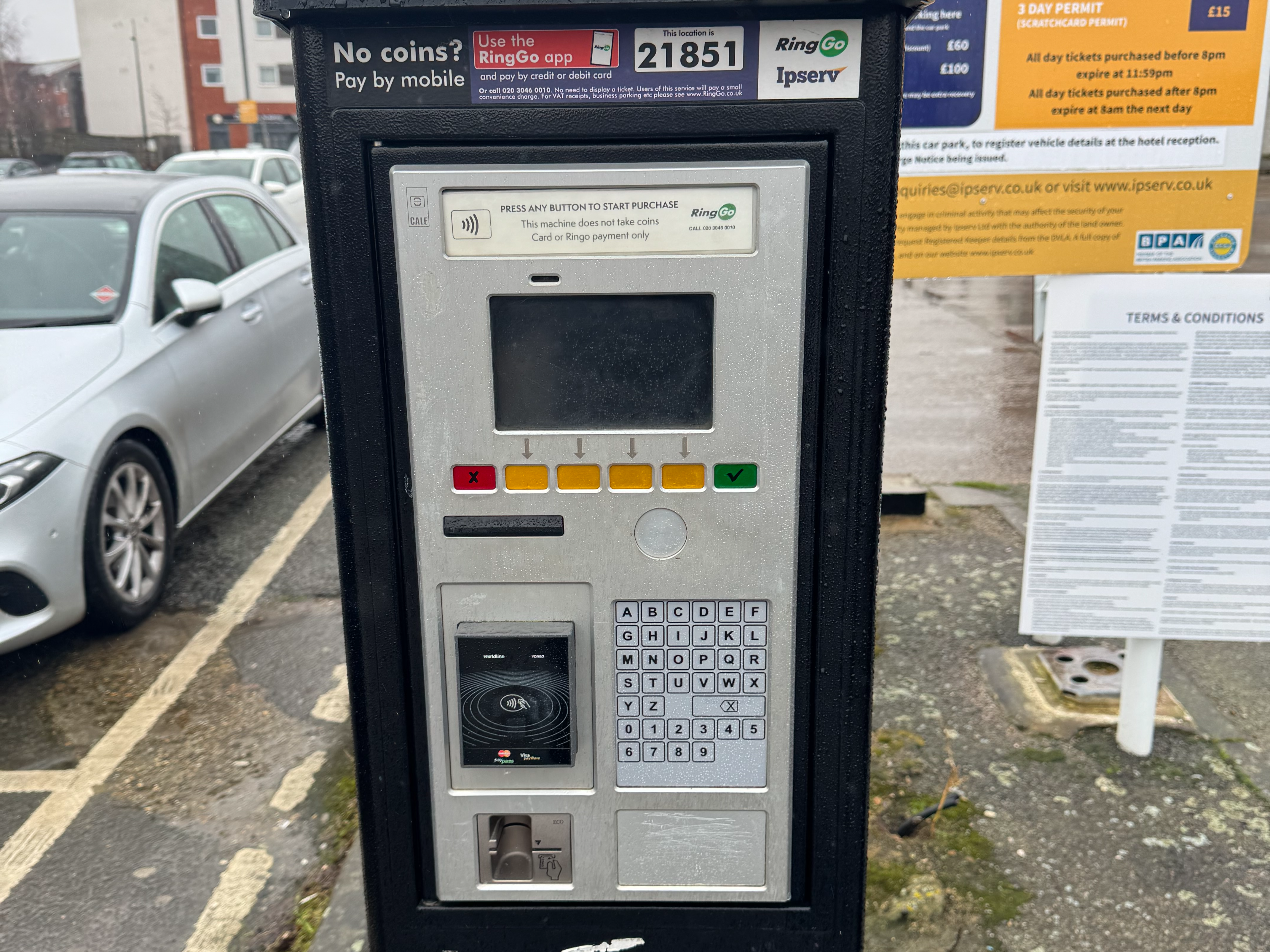
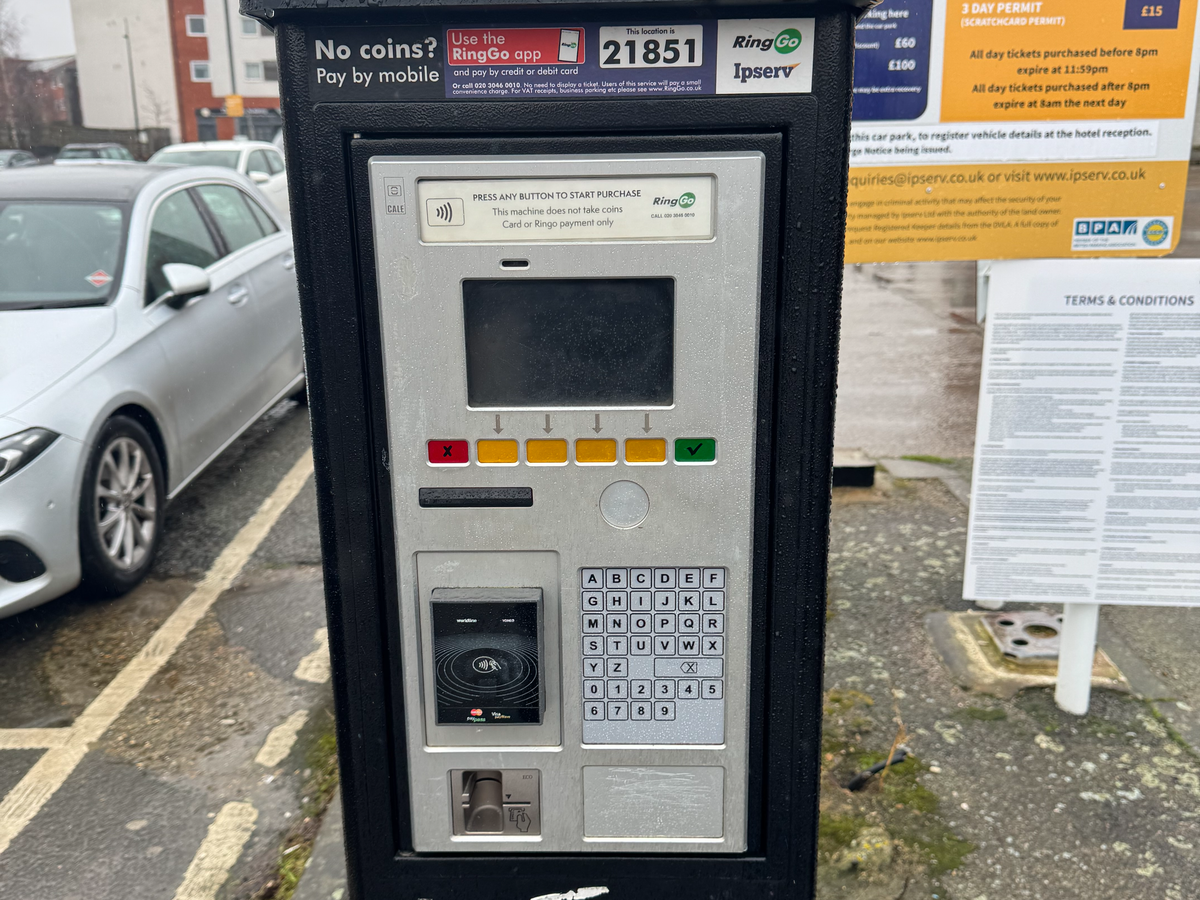
Known payment issues: Following multiple reports of broken payment machines, Ipserv confirmed five occasions in the past 12 months where payment and display machines at Duke Street car park experienced faults:
- 9 June 2024
- 21 October 2024
- 24 December 2024
- 12 January 2025
- 19 January 2025
Crucially, the company said it does not hold information on how long these faults lasted—raising the possibility that machines could have been out of service for days, weeks or even months at a time.
Multiple users reportedly received PCNs between 12-19 January 2025, when the only payment option was via mobile app—a method not accessible to all motorists, particularly elderly residents or those without smartphones.
We know that machines remained out of order between 12-19 January, and for at least one week prior to 31 January – suggesting that users may have been only able to pay via mobile app for more than half the month, and that motorists could have been penalised despite having no reasonable way to pay for parking.
Ipserv defended its practices, stating: "In relation to whether a machine fault could lead to a PCN being issued in error, only if a motorist failed to make payment using any of the other available payment options." The company adds that "where faults are reported and verified, this information is considered during the appeals process, and PCNs may be cancelled if evidence shows payment was not reasonably possible."
The question remains, though: Should the onus be on motorists to go through arduous appeal processes to challenge knowingly unfair fines?
The public interest test: Ipserv's claim that withholding the information serves the public interest deserves scrutiny.
The company argues that disclosure "could impact on the returns made by the company to the Council and as a result on the monies available in the public purse."
This logic appears circular—suggesting it is somehow in the public's interest to remain uninformed about potentially unfair fines issued by a council-owned company.
Ipserv further claims: "There is strong public interest in ensuring that the Council is able to fund its public services sustainably" without acknowledging the equally strong public interest in ensuring those services operate fairly and transparently.
The company emphasises that despite being wholly owned by Ipswich Borough Council, it "is a separate legal entity and operates independently. Therefore, references to taxpayers being directly affected should be treated with caution. Ipserv does not raise or spend public funds in the way a council department would."
The bigger picture: The refusal comes as Ipswich Borough Council has increased parking charges across its car parks, adding to existing frustration that short-sighted parking increases are continuing to damage the future of our town centre.
The bottom line: The tension between commercial confidentiality and public accountability raises important questions about transparency in council-owned businesses.
While Ipserv maintains it "takes customer fairness seriously" and provides "clear signage in our car parks with the contact details for our customer service team," the refusal to disclose basic data about fines issued during known fault periods makes it impossible for the public to verify whether the company's enforcement practices are fair.
This creates a fundamental conflict between the company's commercial interests and the public's right to scrutinise services ultimately owned by local taxpayers.
Independent local journalism is expensive to produce
It's free for you to read thanks to the generous support of our partners.
Below the line