Why it matters: The U-turn marks a significant shift from last year, when Prime Minister Sir Keir Starmer told an audience, "You will not be able to work in the United Kingdom if you do not have digital ID. It's as simple as that."
The big picture: Digital checks on a person's right to work will remain mandatory, but workers will not need to provide a digital ID and can use other documents, such as a passport. The government will now place more emphasis on the argument that digital ID can be a useful tool for the public when accessing public services, rather than narrowly focusing on immigration.
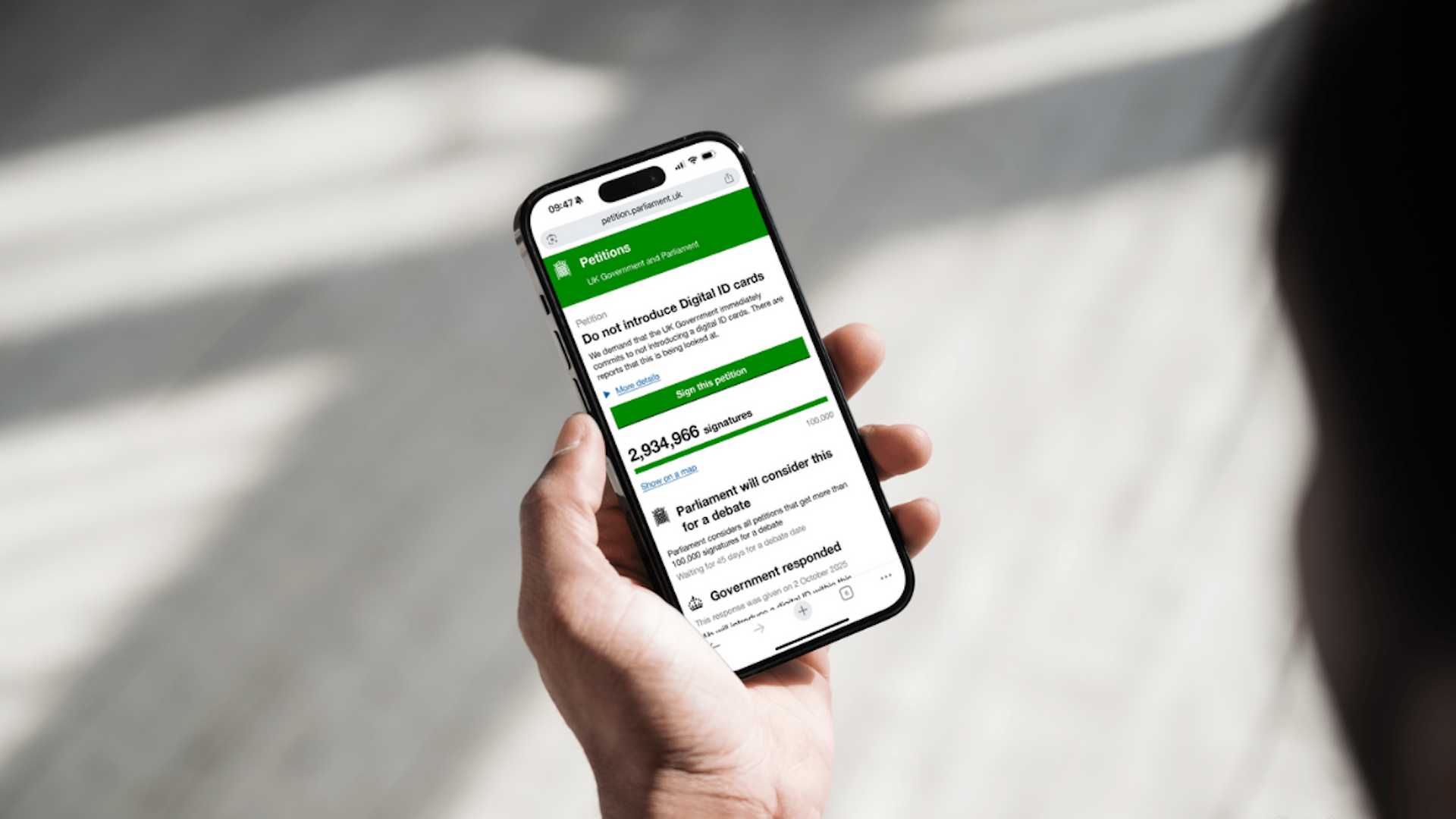
By the numbers: The parliamentary petition attracted 2,962,191 signatures nationwide, including 4,610 from Ipswich (4.0% of 115,000 constituents) and 4,259 from Central Suffolk and North Ipswich (4.5% of 94,200 constituents).
What they're saying: Conservative leader Kemi Badenoch said: "Good riddance. It was a terrible policy anyway." She said the move by Labour represented "another U-turn".
Reform UK leader Nigel Farage said in a post on X: "This is a victory for individual liberty against a ghastly, authoritarian government. Reform UK would scrap it altogether."
Green Party leader Zack Polanski welcomed the news on X, saying: "The government have U-turned on ID cards. Good."
The details: The scheme is expected to be based on two government-built systems: Gov.uk One Login and Gov.uk Wallet.
Currently, more than 12 million people have signed up to One Login, which can be used for services such as applying for a veteran card, cancelling a lost passport or managing a lasting power of attorney.
Gov.uk Wallet has not yet been launched, but it would allow people to store their digital ID on their smartphones. The digital ID would include name, date of birth, nationality, residence status and a photo.
For context: When the government first announced the policy, it argued that mandatory digital ID for workers would make it easier to clamp down on immigrants working illegally. The policy had attracted criticism since it was announced last September, with nervousness among some Labour MPs over the compulsory aspect of the original proposal.
Darren Jones, the minister responsible for rolling out the policy, said at an Institute for Government conference on Tuesday that it would be a "route to the digital transformation of customer-facing public services". He said a consultation would be launched "very shortly", adding: "I'm confident this time next year the polling will be in a much better place on digital ID than it is today."
The other side: A government spokesperson said: "We are committed to mandatory digital right to work checks. Currently, right to work checks include a hodge podge of paper-based systems with no record of checks ever taking place. This is open to fraud and abuse. Digital ID will make everyday life easier for people, ensuring public services are more personal, joined-up, and effective, while also remaining inclusive."
The bottom line: The change of policy is the latest in a series of U-turns the government has made since it came to power, including climbdowns on welfare reforms, reducing winter fuel payments and inheritance tax for farmers.