Why it matters: With an ageing population and most elderly people preferring to remain in their own homes, families need to be vigilant about noticing when relatives require extra help.
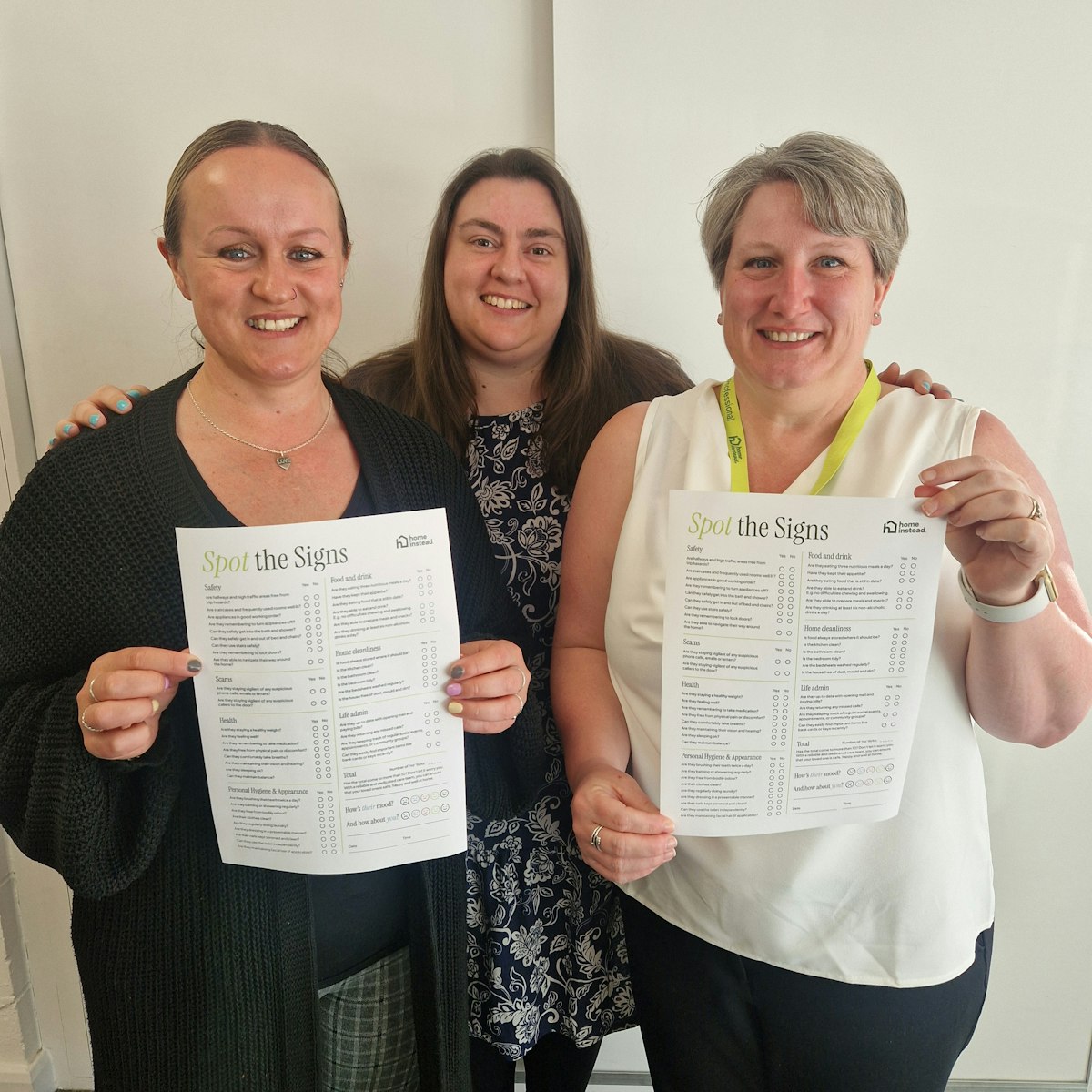
The free checklist was developed by Home Instead Ipswich, Woodbridge & Felixstowe based on thousands of care enquiries received nationwide.
By the numbers: When asking about care services, families most commonly mention:
Memory loss (70%)
Personal hygiene (48%)
Medication management (44%)
Nutrition or weight loss/gain (31%)
Safety concerns (31%)
The bigger picture: Many families miss warning signs entirely due to busy lives or because changes in their loved ones happen gradually, making them harder to notice.
What they're saying: "It's so common to see Mum or Dad change as they get older. We want to encourage families in the area to look out for these signs," said Joanna McCall, General Manager of Home Instead Ipswich, Woodbridge & Felixstowe.
"Having the care conversation with your older loved one doesn't have to be upsetting; the trick is to do it early on. Families should simply float it in as a casual topic when they're still reasonably independent and keep it as a regular conversation."
The bottom line: Families can obtain the Spot the Signs checklist and discuss any concerns by calling 01473 272301 or emailing ipswich@homeinstead.co.uk.