Why it matters: With over 740,000 women on NHS gynaecology waiting lists and cancer rates rising in the under-50s, accessible health education events are crucial for helping women recognise symptoms early and advocate for themselves in GP appointments. Saturday's turnout demonstrated strong demand for these conversations.
The details: The festival-style event brought together clinical specialists, charities and local organisations for a full day of seminars and exhibitions. The morning programme featured sessions on breast cancer, endometriosis and adenomyosis, neurodiversity in women, menopause and cervical screening.
Dr Liz O'Riordan, a former consultant breast surgeon who has faced cancer three times, opened the day with a keynote on advocating for your health, emphasising one key message: exercise can reduce the risk of cancer by 30 to 40 per cent, and for those who have had cancer, it can reduce the risk of recurrence by the same margin.
"Exercise is the first drug we should give to everybody," Dr O'Riordan said. "We know that cancer is on the rise in the under-50s. We know young people are getting serious illnesses, and it's up to everyone out there to know it can happen. You need to check yourself. You need to know what's normal, and if you are worried, go to the GP and tell them what you're worried about."
Sessions on breast cancer covered self-examination techniques and the importance of mammogram screening, with Dr O'Riordan highlighting that for every 100 people screened, one life is saved through mammography. However, only 50 per cent of Ipswich women attend their first mammogram appointment.
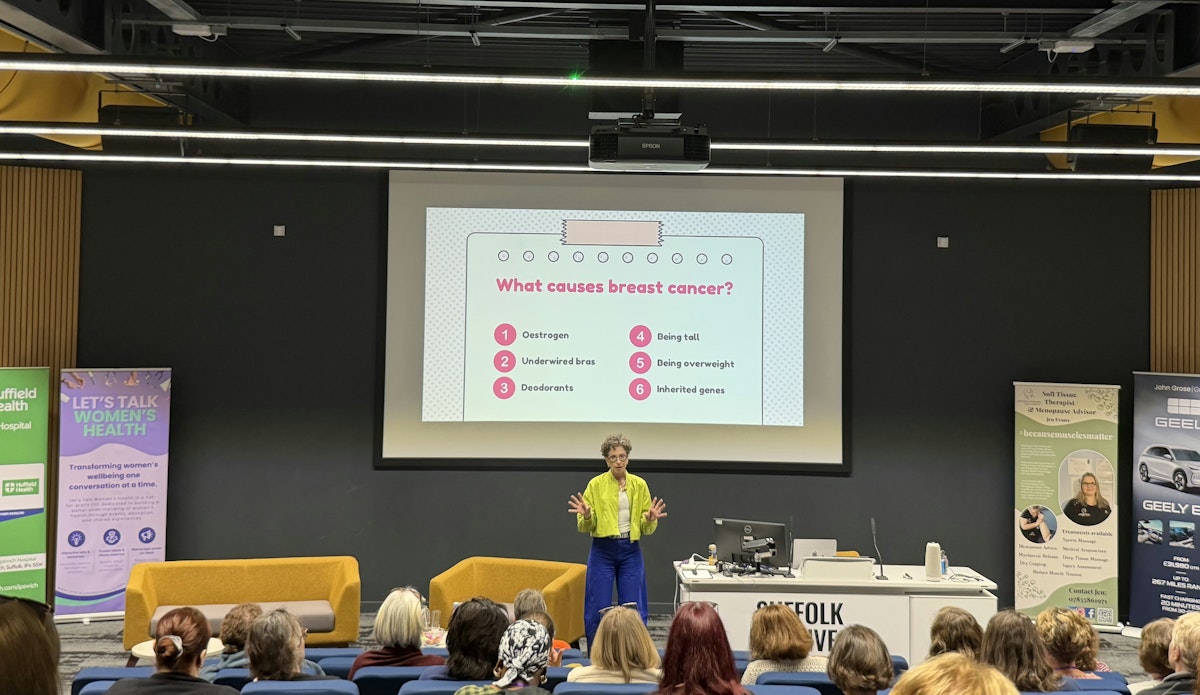
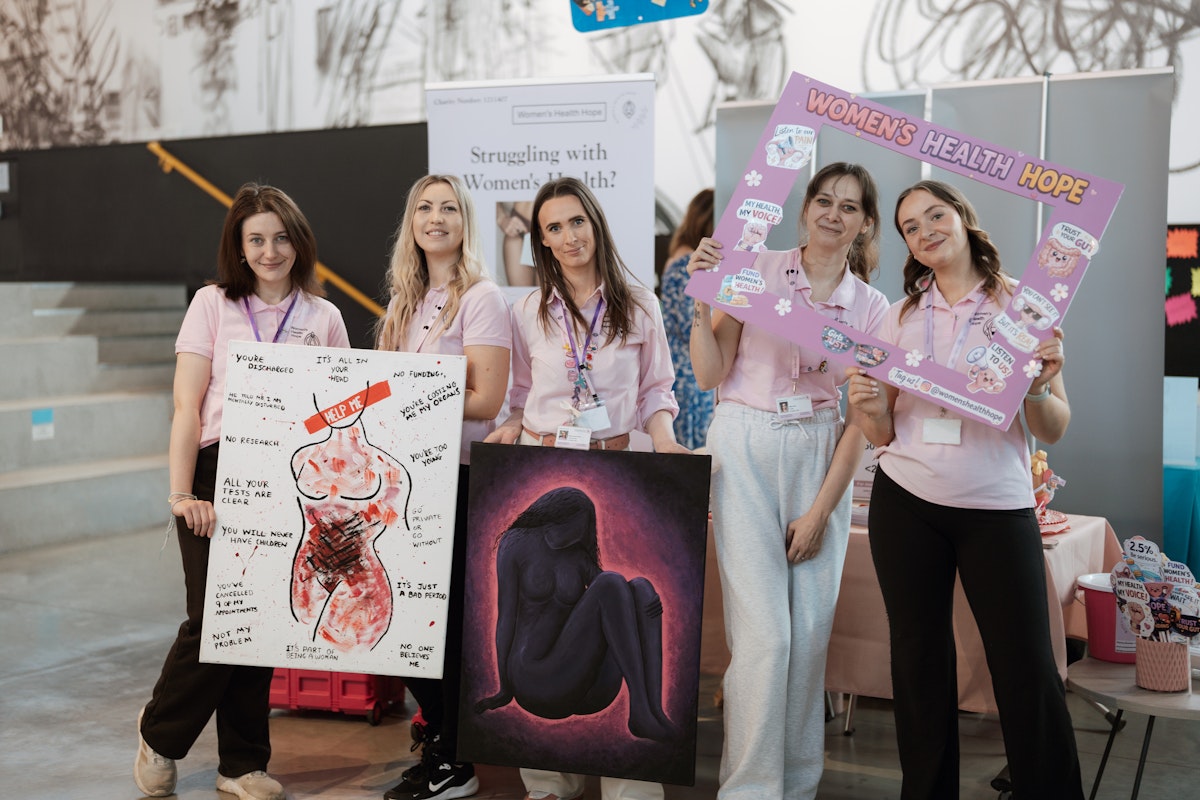
The programme also featured a session on endometriosis and adenomyosis, with Women's Health Hope, a charity providing support for endometriosis patients, running a stall throughout the day.
The afternoon shifted focus to younger audiences with keynote speaker Haze Davison on having an empowered pregnancy and birth, alongside sessions on egg freezing, contraceptive myths, PMS and PMDD, nutrition, ovarian cancer and early menopause.
What they're saying: Dr O'Riordan shared the reality of what a cancer diagnosis means beyond the physical treatment. "The thing that hit me was that it impacts every aspect of your life. It's not just losing your breast and losing your hair. It's losing your fertility. It's potentially losing your job. And it's the mental health impact, the depression, the anxiety, the fear of recurrence that lives with you every day."
Amy Peckham-Driver said: "As an endometriosis sufferer, I'm all too familiar with NHS waiting lists and the catastrophic impact they can have on a person's life. With progressive diseases like mine, time spent on a waiting list can literally mean the difference between losing an organ or not, having a baby or not, or between simply surviving and being able to live a full life.
"This is why it's absolutely critical to strengthen education around women's health conditions – not just on the patient side, but on the practitioner side, too – so that future generations don't have to face the unavoidable loss I've been forced to live with."
Katie Winearls, co-founder of the event, said feedback from last year's event drove the decision to continue. "We had some feedback from people saying that they'd finally booked that GP appointment that they've been putting off for however many years. They felt really heard when they're explaining their symptoms and sharing their experiences in the group sessions, that they realised they weren't alone."
Jen Evans, co-founder and director, emphasised that the event serves a broader purpose than individual education. "I'm loving seeing people being educated about their health and advocating and it's not necessarily about the individual. My daughter may want to have a baby, and my son may want to have a baby and my friends and family may want to have children in the future. So I can actually help them with their journeys as well."
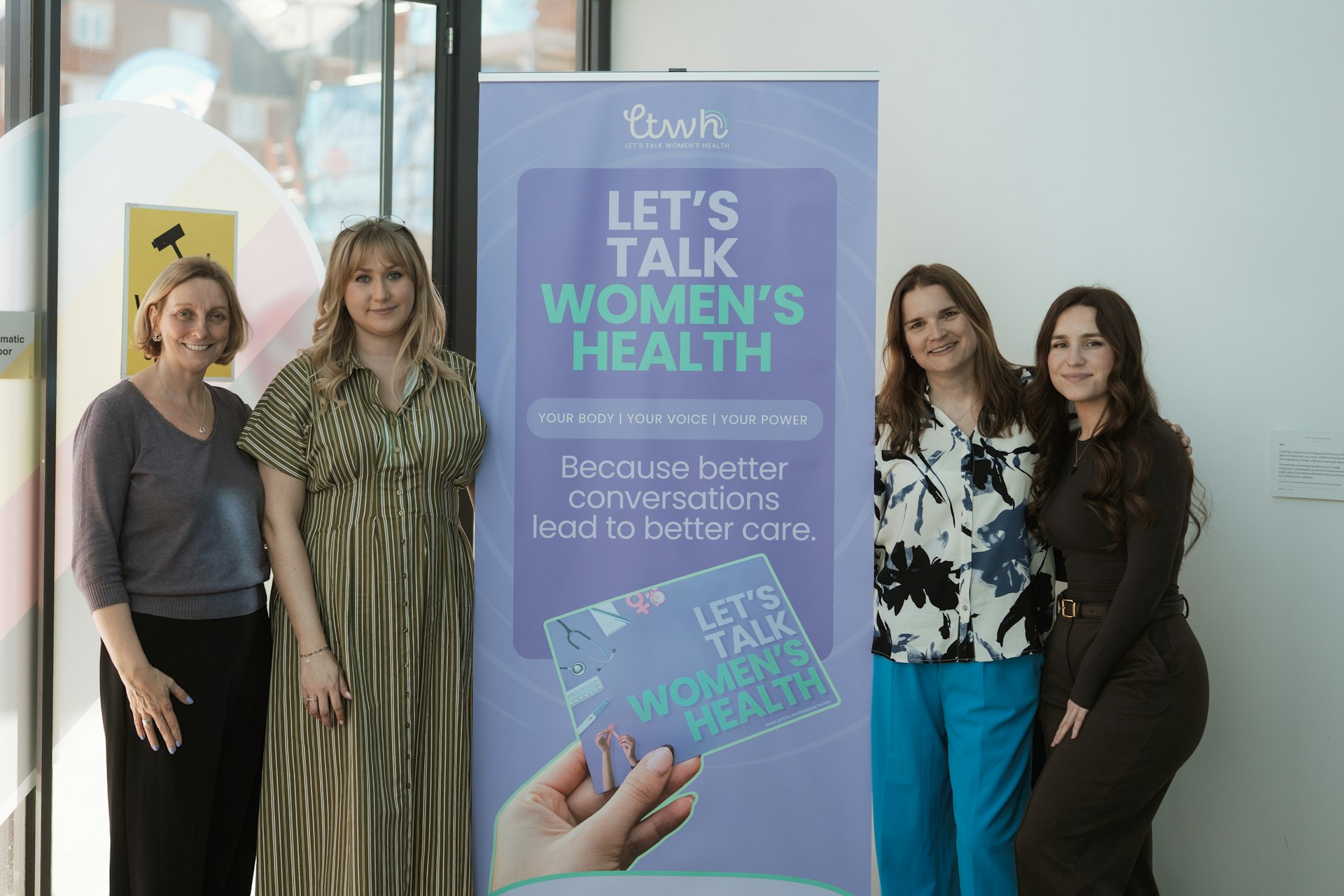
For context: Let's Talk Women's Health launched last year as Suffolk's first event dedicated entirely to women's health. The decision to run it again came directly from attendee feedback, with organisers expanding this year's programme to include more content for younger audiences.
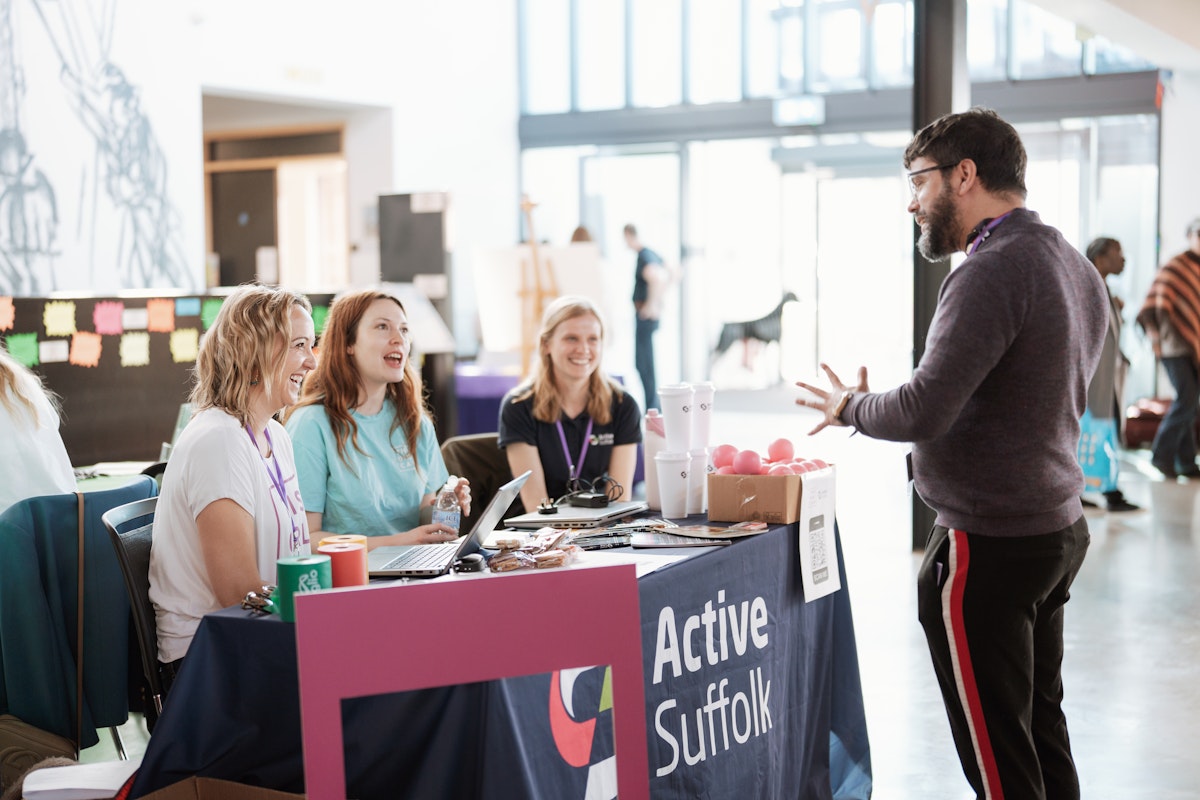
Exhibition stalls throughout the venue allowed attendees to speak directly with 17 organisations, including Active Suffolk, Nuffield Health Ipswich Hospital, Cancer Support Suffolk, Lighthouse Women's Aid, Suffolk Pride, Women's Health Hope, BEAM Support, Suffolk Sexual Health, Breast Friends CIC and NHS Postnatal Pelvic Health Services.
The bigger picture: The event comes as endometriosis care in Suffolk is being debated at a national level. Today, Ipswich MP Jack Abbott is leading a Westminster debate on Access to Endometriosis Services, with stories from women across Ipswich being shared. A BAFTA-winning film "This is Endometriosis" will also be shown in Westminster, highlighting the national push to address challenges in accessing care for the condition.
The bottom line: Saturday's event demonstrated strong demand for accessible health education that empowers women to recognise symptoms, advocate for themselves and support others in their community, which has now allowed conversations reaching from The Hold in Ipswich to Westminster Hall.