The motion, proposed by the Green, Liberal Democrat and Independent Group, passed without a single dissenting vote at what was one of the council's final meetings before the pre-election moratorium period begins on Thursday, 27 March. Its purpose was straightforward: to launch a social media campaign signposting survivors of sexual violence to local support services, and to write to the government calling for sustained national funding for specialist sexual harm services.
But what made the debate in the chamber remarkable was not the vote. It was what councillors chose to say before it was taken.
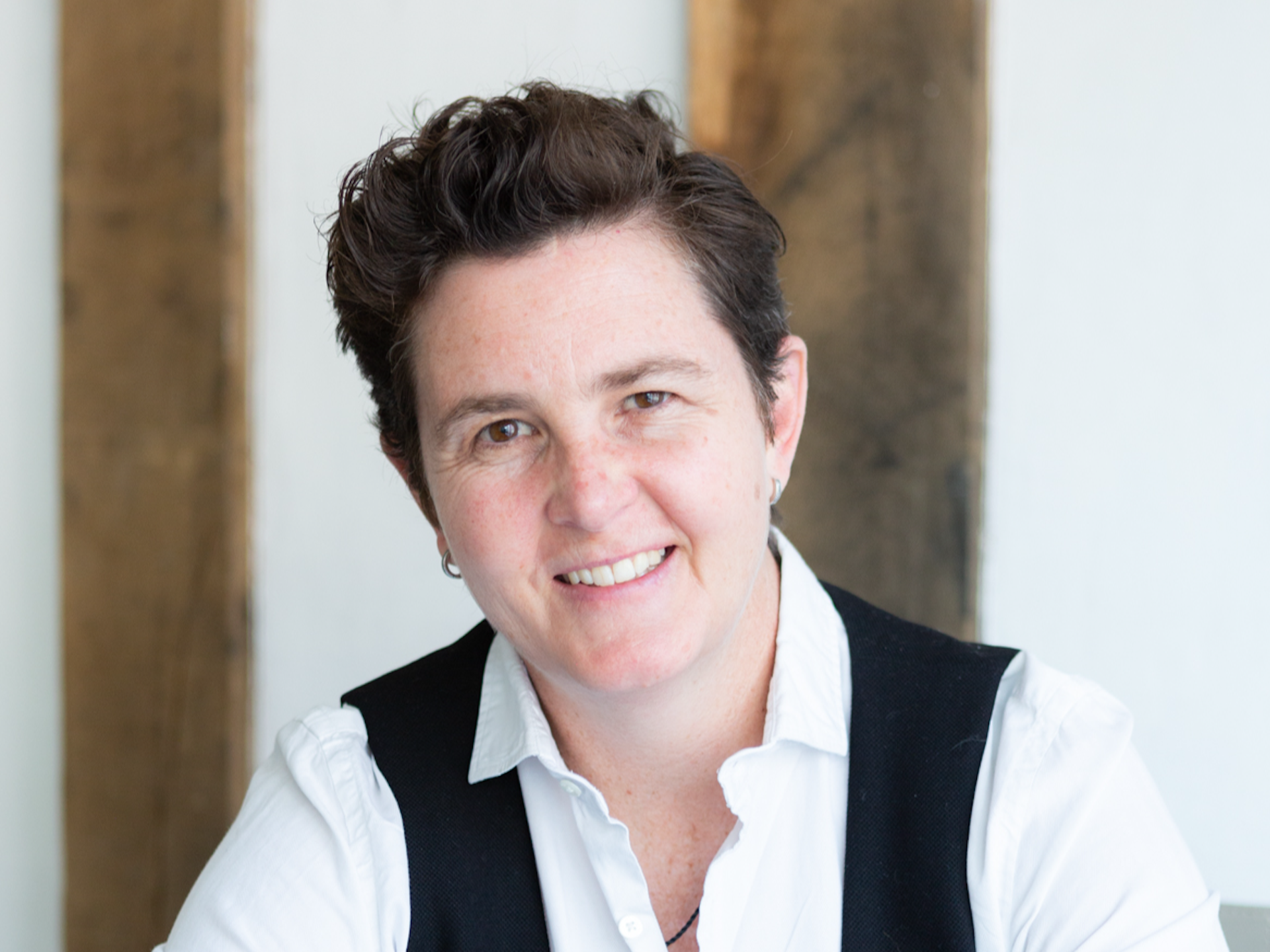
Cllr Ruth Leach, county councillor for Woodbridge and the group's spokesperson for women, brought the motion forward. She is also a survivor of sexual violence herself. "Behind every number is a person," she said.
Cllr Patti Mulcahy, who had previously shared her experience as a victim of rape, told the chamber she could not stress enough how important it was to fight the stigma around victims speaking out.
Cllr Sam Murray, who had also spoken previously about her experience of sexual exploitation as a child, said she regretted not coming forward sooner. "I lived with that regret every day," she said, "because that person who did what they did to me could well do it again to someone else."
The numbers behind the silence
The personal testimonies were anchored in a stark statistical reality. According to the Office for National Statistics, approximately 2.4% of people aged 16 to 59 experienced sexual assault in the year to March 2025. Applied to Suffolk's population of just over 416,000 in that age group, that figure suggests there could be around 10,000 victims in the county in a single year.
Suffolk Police recorded 2,536 sexual offences in the same period — fewer than one in four of the estimated total.
Nationally, the picture is similar. The ONS Crime Survey for England and Wales estimated that around 900,000 people experienced sexual assault in the year to March 2025, while police across England and Wales recorded 209,079 sexual offences — an increase of 11% on the previous year, partly attributable to two new offences introduced under the Online Safety Act 2023.
Cllr Leach described the number of victims coming forward as "only a fraction of the true picture."
The Epstein effect
The timing of the motion was deliberate. The sustained media coverage of the so-called Epstein files — the documents relating to the late financier, sex offender and paedophile Jeffrey Epstein — has been relentless in recent weeks, and those who work with survivors say they are feeling its effects.
"The high volume of stories in the UK media about the Epstein files shows no sign of slowing down," Cllr Leach said, "and we need to understand that this can be very distressing for people who have experienced sexual harm and exploitation, whatever their gender."
"It can resurface trauma, reopen wounds and bring back experiences people may have spent years trying to manage," she added.
Fiona Ellis OBE, co-founder and chief executive of Survivors in Transition — an Ipswich-based charity supporting victims and survivors of sexual violence and abuse — confirmed that high-profile cases routinely trigger spikes in demand for the charity's services. "High-profile cases of trafficking and sexual exploitation in the media always lead to a spike in the number of new referrals, former clients getting back in touch, and increased contact from current clients," she said.
Help that exists without a report
The motion specifically asks the council to signpost people to Survivors in Transition, which supports survivors regardless of whether the abuse has been reported to the police. That detail matters: for many survivors, reporting is not a step they feel able to take — and may never be.
"Specialist services like Survivors in Transition exist because many survivors live with unresolved trauma for years, sometimes decades, before seeking help," Ellis said. "Public leadership that normalises conversations about sexual violence and signposts support can make a profound difference to people who may be silently struggling. You are not alone."
The council's campaign will also be accompanied by a letter to the government advocating for sustained national investment in specialist sexual harm services. Cllr Leach pointed to the Welsh government's recently announced ten-year strategy on preventing and responding to child sexual abuse, which includes enhanced professional training, improved therapeutic services, and public awareness campaigns, as an encouraging sign of what national commitment can look like.
"This is very encouraging," she said, "a sign that things are starting to move in the right direction."
The bottom line
In a single chamber session, three elected representatives chose to make themselves visible as survivors — not because they had to, but because they understood that visibility matters. Around 10,000 people in Suffolk may be living with the aftermath of sexual violence right now, most of them in silence. The council's campaign cannot reach all of them. But as Cllr Leach put it: "We can ensure that in Suffolk, anyone affected knows that they are not alone, they will be heard and support is available."
If you have been affected by sexual violence, Survivors in Transition can be contacted via their website. Further signposting is available through Suffolk County Council.