Ipswich's Biodiversity Strategy 2026–2036 is partly a response to a legal shift. The Environment Act 2021 introduced a strengthened "biodiversity duty" requiring all local councils in England to not merely protect nature but actively enhance it, and to set out formal policies and objectives for doing so.
The strategy is also, however, an honest acknowledgement that despite more than 30 years of effort, wildlife in Ipswich is still in decline. The UK is now one of the most nature-depleted countries in the world, with around 15% of native species at risk of extinction, according to the Dasgupta Review (2021). Ipswich, as a densely built-up town with limited open countryside, faces particular challenges. Its population has grown by almost 5% in the last 10 years, increasing pressure on already stretched green spaces.
"We are facing a global biodiversity crisis, and Ipswich is not immune," the strategy states. "We must now go further."
What the strategy sets out to do
The plan is built around three core aims: engaging and promoting awareness, preserving and maintaining biodiversity, and learning and evaluating.
Under the first aim, the council commits to expanding volunteering opportunities through its Wildlife Ranger team and the long-running Greenways Countryside Project — a partnership established more than 30 years ago — as well as continuing to run public events such as guided wildlife walks, pond-dipping sessions and wildlife-home-building activities for schools and families.
The second aim — preserving and maintaining biodiversity — contains the most concrete commitments. These include continuing to employ specialist wildlife professionals, pledging to replant two trees for every tree removed for non-biodiversity reasons, striving to eliminate peat from the tree and plant supply chain, and minimising pesticide use across council land. The council also commits to maximising the biodiversity value of its buildings, parks, open spaces and watercourses, and to contributing to the Suffolk Local Nature Recovery Strategy.
The third aim focuses on monitoring and innovation: repeating a town-wide Wildlife Audit to track the state of Ipswich's natural environment, investing in new machinery and technology for habitat management, and exploring new approaches to increasing wildlife security across the town.
Councillor Lucy Trenchard, portfolio holder for parks and climate change, said: "Caring for Ipswich's natural environment is not just about the important job of protecting wildlife — it's about supporting the health, wellbeing and quality of life of everyone who lives here."
What Ipswich already has
Before exploring what the strategy will change, it is worth appreciating what the town already has to protect.
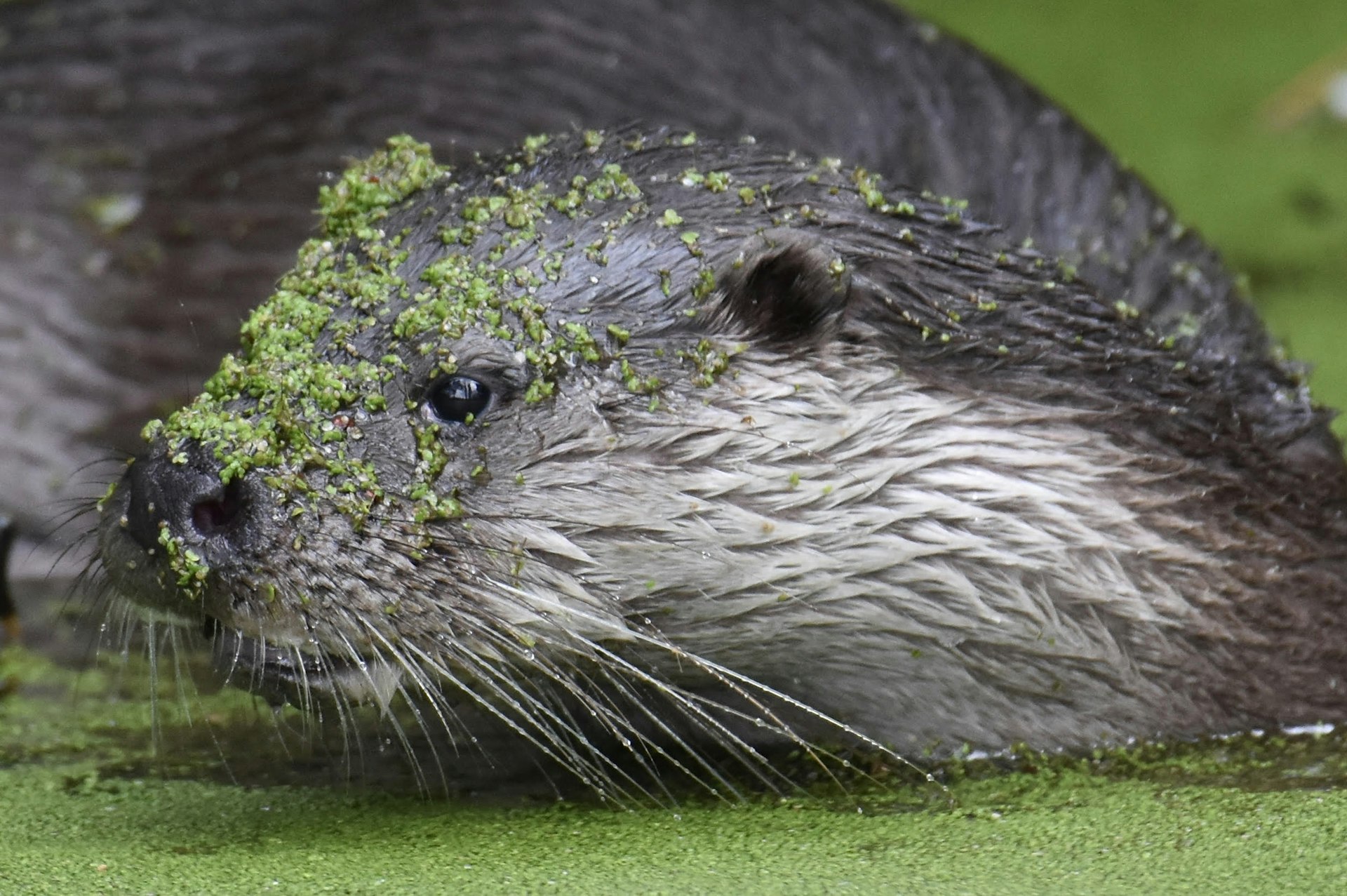
Ipswich is home to a surprisingly rich variety of wildlife for an urban area. Its key sites include the Orwell Estuary, which is of national importance for breeding and wintering birds; heathland at Piper's Vale and Bixley Heath; ancient woodland at Spring Wood and Braziers Wood; and wetland areas such as Belstead Brook Park. Protected species recorded in the town include hazel dormice, otters, water voles, lizards, grass snakes, adders, great-crested newts and the rare silver-studded blue butterfly.
The council's existing portfolio includes 12 parks and garden sites — two of which are English Heritage listed — 50 amenity green spaces, 19 county wildlife sites, 16 allotment sites with around 2,500 plots, and three Green Flag Award-winning parks.
The town has also held Tree City of the World status for five consecutive years, with 4,757 trees planted in Ipswich between January 2025 and January 2026 alone. The council's current tree canopy cover stands at 18.4%, against a national target of 19% by 2050 — though the strategy encourages exceeding 20% for greater cooling, shade and wildlife benefits.
Ipswich has also participated in several national initiatives: it was one of eight "Urban Buzz" cities in 2018 to trial improvements to pollinator habitats, worked with Butterfly Conservation on silver-studded blue butterfly recovery, and participated in RSPB plans to become a "Swift City."
Trees, water and habitat mosaics
The strategy goes into considerable detail about specific habitat types and the challenges each faces.
On trees, the council's approach prioritises natural regeneration — letting new trees grow from locally sourced seed — over purchasing stock, which is treated as a last resort. Where buying is unavoidable, only UK-grown, peat-free stock will be used. The reasoning is practical as well as ecological: naturally regenerated trees establish more successfully, cost less to maintain, and reduce the risk of importing new pests and diseases.
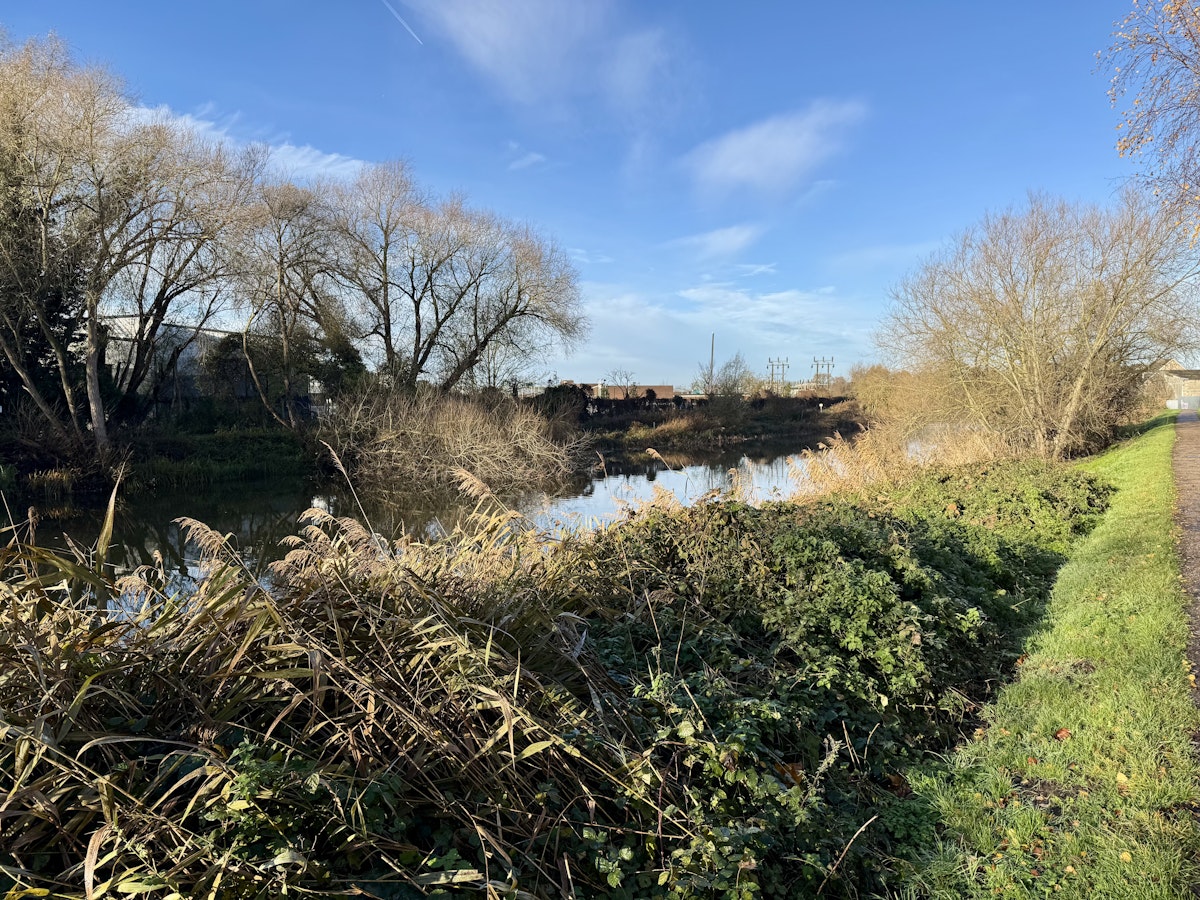
Water habitats present a more complex picture. The River Gipping, which runs through the town, suffers from poor water quality and low biodiversity, largely because much of its flow is abstracted at Sproughton and piped to Alton Water reservoir for drinking supply. The council acknowledges this is "a big challenge" that will require partnership working with the Environment Agency and others. Several town-centre ponds and canals — including at Alderman Road and Holywells Park — also suffer from nutrient build-up caused by leaf fall and duck feeding, leading to duckweed overgrowth and declining water health. The strategy commits to de-silting where needed and seeking grant funding for larger interventions.
On grassland, the council has been increasing areas of long grass and wildflower meadow in parks and cemeteries for years, and the strategy commits to expanding these further. Heathland — rare nationally but still present on Ipswich's eastern fringes at sites including Piper's Vale and Bixley Heath — is identified as a top priority, with climate change adding to management pressures: invasive gorse now grows almost twice as fast as it did 25 years ago.
Cemeteries and allotments are also highlighted as underappreciated contributors to the ecological network. Ipswich's 16 allotment sites, with their hedges, orchard areas and wildlife plots, and its cemeteries, with their long grass and undisturbed corners, both play meaningful roles in supporting urban biodiversity.
Biodiversity and your health
The strategy makes an explicit link between wildlife and human wellbeing — one that reflects a growing body of evidence. Access to wildlife-rich green spaces, it argues, helps reduce stress, supports mental resilience, encourages physical activity and can lower the risk of long-term illness.
It also frames biodiversity as a climate resilience issue. More biodiverse landscapes regulate temperature, reduce the urban heat island effect, manage stormwater and mitigate flood risk. As extreme weather becomes more frequent, the strategy argues that investing in green infrastructure is also an investment in protecting homes, communities and public infrastructure.
Councillor Trenchard added: "By restoring habitats, improving access to nature, and working closely with schools, volunteers and community groups, we'll be helping to create a greener, healthier and more resilient Ipswich for current and future generations."
A new nature reserve for Ipswich
One of the most tangible proposals in the package is the designation of a new Local Nature Reserve on a 16.5-hectare site on Sproughton Road, next to the Eastern Gateway Enterprise Park.
The site features woodland, ponds, reed beds and areas of long grass, and has already proved its wildlife credentials. Councillor MacDonald said: "This area has a huge range of biodiversity supporting bird and aquatic life; herons, buzzards, otters, water voles, bats and wildflowers have been recorded at the site."
Local Nature Reserve status would allow the council to offer controlled access for educational visits by local schools and community groups. Councillor MacDonald added: "It will be great to add this area to our existing Local Nature Reserves, increasing our existing 100 hectares of nature reserve land."
The proposal underlines one of the strategy's central arguments: that there are still meaningful gains to be made in Ipswich, even within a dense urban setting.
What it will cost — and what it won't
Perhaps the most notable aspect of the strategy, from a practical standpoint, is what the council says it will not require: additional money. The committee report states clearly that no changes to existing budgets are proposed. The strategy formalises and directs work the council is already undertaking, rather than introducing new commitments that require fresh funding. Any specific future projects that emerge from the strategy will be budgeted for separately in the usual way.
That framing is both reassuring and worth scrutinising. A strategy that costs nothing extra may signal efficiency and ambition — or it may reflect the limits of what is politically deliverable in a constrained financial environment. The strategy itself acknowledges real risks to delivery, including resource constraints, tree disease and the unpredictable effects of climate change on habitats.
The bigger picture
The strategy also addresses how Ipswich will interact with the planning system going forward. Under the Biodiversity Net Gain rules introduced by the Environment Act 2021, most new developments must deliver at least a 10% increase in biodiversity compared to the pre-development state of the site. Where developers cannot achieve this on-site, the council is exploring how Council-owned land might be used for off-site habitat improvements, keeping the ecological benefit within Ipswich rather than allowing it to be delivered elsewhere.
The council is also contributing to the development of the Suffolk and Norfolk Local Nature Recovery Strategy, and intends to use that process to highlight the specific importance of urban nature — an often-overlooked dimension of nature recovery policy.
The bottom line
Ipswich has more to show for three decades of biodiversity work than most comparable towns, but the strategy is honest that effort alone has not been enough: nature here, as across the UK, is still in retreat.
The question the next 10 years will answer is whether formalising good intentions into a published strategy — without new money attached — can shift the dial in ways that 30 years of committed work has not quite managed. If residents, schools and community groups take up the council's invitation to get involved, there is reason for optimism. If the strategy remains primarily a document rather than a movement, the otters and dormice of Ipswich may find the decade ahead no kinder than the ones that came before.
The Executive meets tomorrow, Tuesday, 24 March 2026, to consider adopting the strategy.