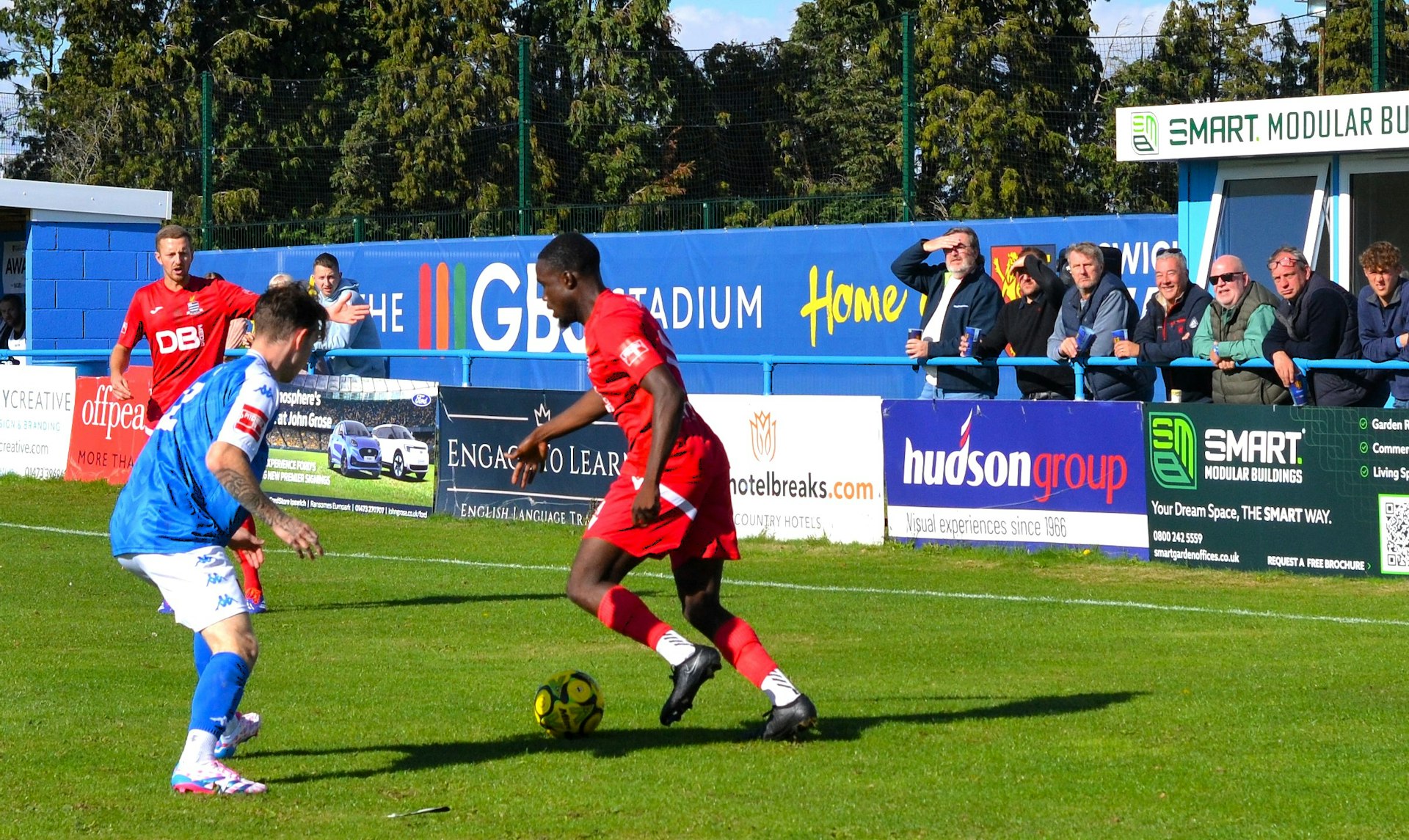
Why it matters: Dry, compacted soil makes pitch maintenance harder and increases the risk of injuries, particularly in sports like cricket, football, rugby union and rugby league.
The big picture: 2025 has seen the driest start to a year across England since the 1950s, with a quarter of the country's rivers currently classified as exceptionally low. The Environment Agency has also warned of potential water shortages.
The Grounds Management Association (GMA) – the organisation dedicated to helping schools and grassroots sports clubs across England and Wales maintain and improve their pitches – is offering free support to local grounds teams.
Tom Rowley, one of the leading pitch experts in the country, said: "From school fields to community football, rugby and cricket pitches, dry conditions are making it really difficult to maintain safe and playable surfaces. It requires more time, more effort and more expertise. These pitches are the lifeblood of local sport – and the teams that look after them, many of whom are volunteers, are under real pressure."
What they're saying: "We want people to know that support is available. Our online resources are free and full of practical advice on minimising the effects of dry weather and maintaining safe, playable surfaces. When working in hot conditions, it's really important to take care of yourself, so we also provide personal safety tips for grounds teams," Rowley added.
The details: The GMA's guidance includes limiting drought effects through efficient watering and strategic aeration, creating safe surfaces by avoiding stress-inducing activities like brushing and scarification, and prioritising personal wellbeing by working in cooler temperatures and staying hydrated.
Key recommendations include only watering areas that really need it, such as cricket pitches, and doing so during cooler times to limit evaporation. Ground staff should also inspect carefully for surface cracks that can make pitches unsafe for play and know when to postpone games if surfaces become too hard.
What's next: The GMA emphasises that even experienced grounds teams can only do so much in these extreme conditions, advising volunteers and staff to avoid working alone during high temperatures and take regular breaks.
The bottom line: Free expert guidance is available on the GMA's website to help Ipswich's sports facilities navigate the worst drought conditions in decades while keeping players safe.