Why it matters: Unused medicines cost the NHS around £300 million every year, with unnecessary repeat prescriptions contributing to medicine shortages in local pharmacies.
NHS Suffolk and North East Essex Integrated Care Board has launched the campaign asking people to be more mindful about their prescription orders after learning that significant numbers of repeat prescription medicines are returned to pharmacies for destruction.
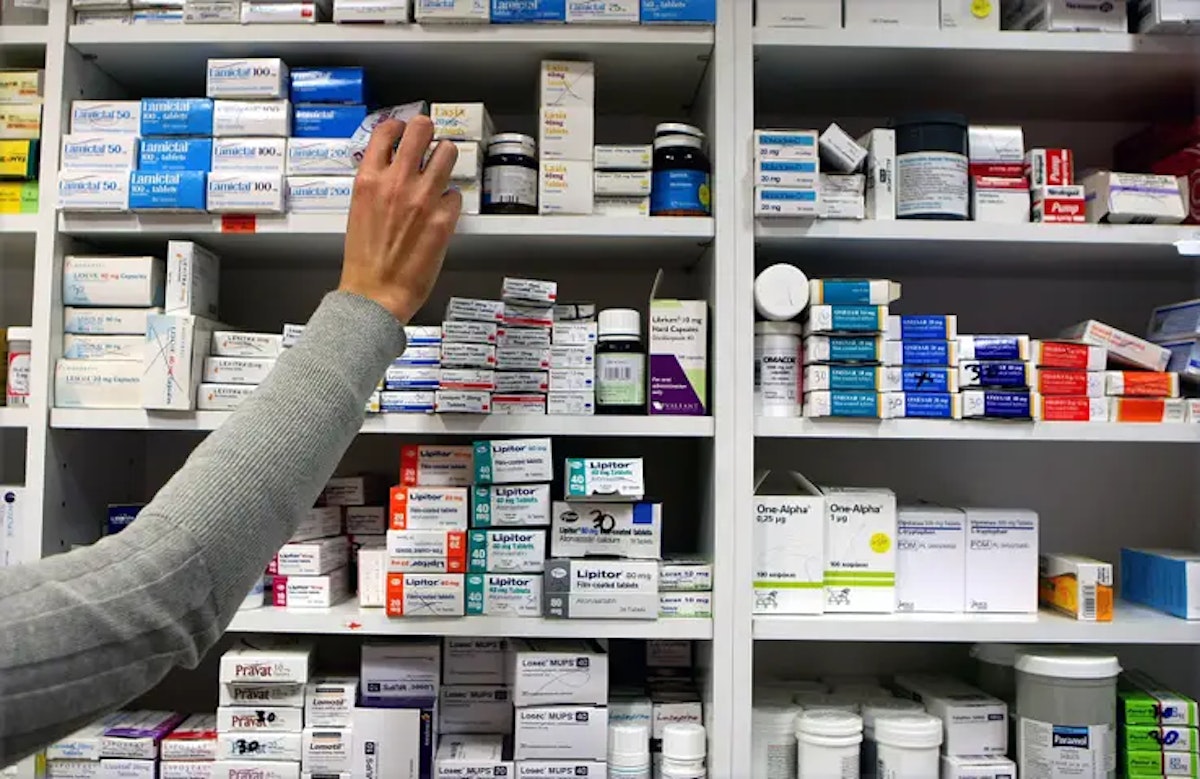
The details: The Department of Health and Social Care report estimates the £300 million annual cost stems from medicines not being used as intended across the NHS.
Local pharmacists say the waste is putting additional pressure on already stretched services.
What they're saying: Lauren Seamons, from Community Pharmacy Norfolk & Suffolk, said: "We are asking our patients and their carers to be conscientious about only ordering the medication they need. This will also help our busy pharmacy teams to focus on delivering other clinical services that are important to our local communities."
Tania Farrow, Medicines Optimisation Pharmacist at NHS Suffolk and North East Essex Integrated Care Board, said: "We want to remind people how important it is to check what medicines they have at home before requesting more repeat prescription items and to say thank you to the many people who already do this.
"We know that a significant number of repeat prescription medicines are not used as intended and are returned to pharmacies for destruction. With your support, we hope that we can make a difference and reduce the number of unused medicines."
What to do: Health bosses have issued practical advice for managing prescriptions:
Keep all medication in one safe place at home to track what is available
Take medication from one packet at a time to monitor usage
Set calendar reminders seven to 10 days before prescriptions are due to check stocks
Only order medicines that are actually needed – repeat items remain available even if not ordered monthly
Karen Samuel-Smith from Community Pharmacy Essex said: "It can be challenging organising medication, particularly if you need to take a lot of medicines or you help someone else to order and take theirs, but it may be safer to organise and manage medication in the ways suggested above."
What's next: The NHS is also encouraging people to take prescription medicines to the hospital for planned or unplanned admissions to help staff maintain complete medicine records.
Unused or out-of-date medicines and empty inhalers should be returned to pharmacies for safe disposal.
The bottom line: Simple changes to how residents manage their repeat prescriptions could help save the NHS hundreds of millions of pounds while ensuring essential medications remain available for those who need them.