
Budget concerns mount as Ipswich jobseeker rate exceeds national average
Ipswich's jobseeker rate of 4.3% exceeds the national average of 4.0%, new figures show, with local businesses warning that rising employment costs are already holding back hiring ahead of Chancellor Rachel Reeves's Budget.

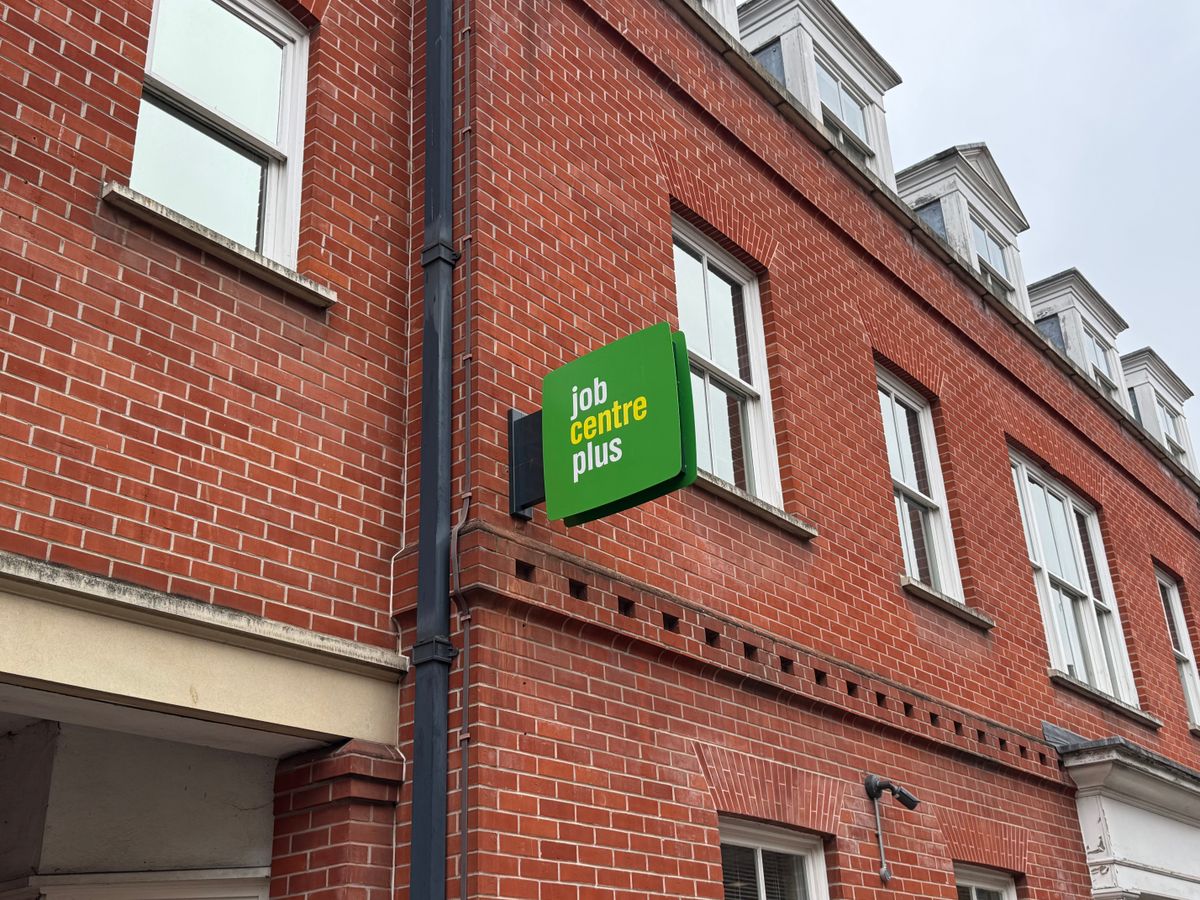
Why it matters: Ipswich's 4.3% rate is above the 4.0% national average, leaving the town more exposed to the potential impact of the Budget on 26 November. She is expected to raise taxes by up to £30 billion amid concerns about further pressure on hiring.
The details: Ipswich's rate exceeds those of several comparable towns and cities. Newcastle and Norwich both stand at 4.1%, Tendring at 4.0%, Basildon at 3.8% and Colchester at 3.1%.
The impact varies by gender locally. Men in Ipswich are disproportionately affected, with a 4.8% claimant rate compared to 3.7% for women – echoing national findings that male workers have borne the brunt of recent labour market deterioration.
Despite a year-on-year decline of 205 claimants, Ipswich's rate remains elevated and is the highest in Suffolk, where the county average stands at 2.8%. Other districts include West Suffolk (2.5%) and Mid Suffolk (2.0%).
Local employers speak out: George Pennell, managing director of Ipswich-based cleaning firm Vivo Clean, said the rising cost of employment is the biggest brake on job creation. "Even when there's plenty of demand for work, it's harder to take on new staff," he said. "National Insurance increases and higher overall taxation make it difficult for service-based businesses like ours to grow, even when the work is there."
He said targeted relief on employer National Insurance Contributions would have an immediate impact. "It would free up cash flow and allow us to reinvest directly into hiring and training more local people."
Pennell noted a shift in the local jobs market over the past six months. "It used to be about attracting staff; now it's about affording them. The cost of employing someone has risen faster than wages or contract values, and that squeeze has to be absorbed somewhere."
He added that other local business owners in cleaning and facilities management are facing similar pressures. "They want to grow, but rising employment costs are holding them back. Even small increases in NIC or taxation can have a major impact when your workforce is your largest expense."
The big picture: The claimant count measures only those receiving Jobseeker's Allowance or Universal Credit for unemployment reasons. It differs from the broader unemployment rate, which includes all jobless people, whether claiming benefits or not.
Nationally, the unemployment rate has climbed to 5% – its highest level since early 2021 – with 180,000 payrolled jobs lost since October 2024 when Reeves delivered her first Budget. However, Ipswich's true unemployment rate cannot be directly compared to this figure, as only claimant count data is available at a local authority level.
The figures come as businesses across Ipswich navigate uncertainty ahead of the Budget, with concerns mounting about the impact of last year's national insurance increases on local hiring.
The claimant count excludes people actively seeking work but ineligible for benefits due to savings, partner income or sanctions. This means Ipswich's true unemployment may be higher than the 4.3% figure suggests, especially if hiring freezes and discouraged workers aren't reflected in benefit data.
For context: Private sector wage growth has slowed to 4.2%, the weakest since late 2021, while public sector pay has risen by 6.6%. The cooling labour market has increased expectations that the Bank of England will cut interest rates from 4% at its December meeting, which could ease borrowing costs for Ipswich businesses and households.
What's next: Reeves's Budget on 26 November is expected to include up to £30 billion in tax rises, with speculation of a manifesto-breaking income tax increase. With Ipswich already entering the Budget from a more vulnerable position, the measures could have significant implications for local employment and business confidence.
The bottom line: With Ipswich's jobseeker rate higher than comparable towns, and local employers citing employment costs as the biggest barrier to growth, the Budget could determine whether businesses can afford to hire or are forced to hold back despite demand.
This article cost us ~£27 to produce
It's free for you to read thanks to the generous support of our partners.
Below the line