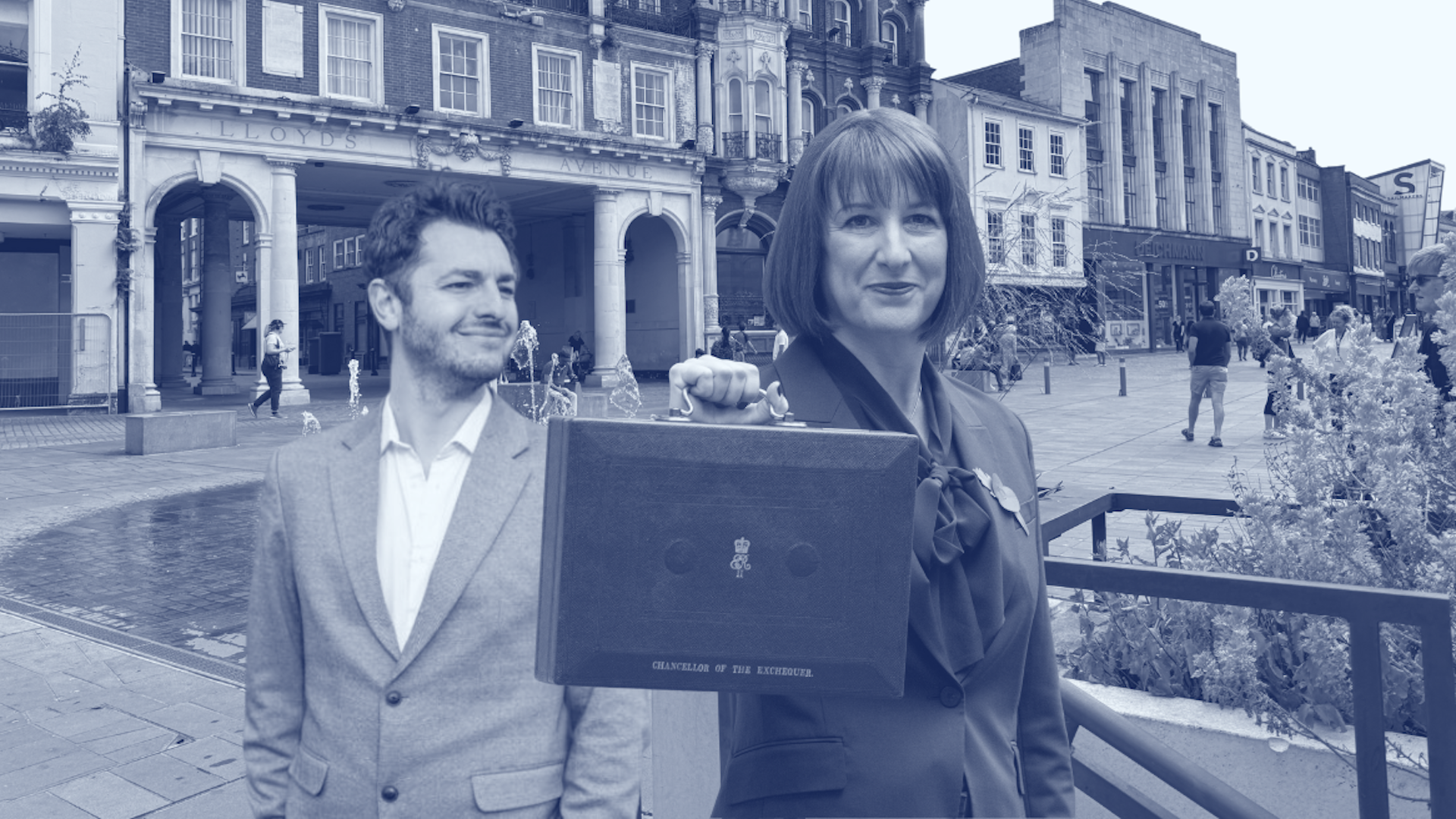
Chancellor Rachel Reeves delivered a Budget that will directly affect nearly every working household in Ipswich, with measures ranging from significant minimum wage increases to frozen tax thresholds that will see more people dragged into higher tax brackets. We've analysed the numbers to show exactly who gains and who loses in our town.
The big winners: Families with three or more children
The most dramatic change affects Ipswich's larger families. The scrapping of the two-child benefit cap will benefit more than 3,000 children across the town from April 2026.
Jack Abbott, Labour MP for Ipswich, called it "life-changing" and said it would help children who had been "condemned to poverty" by the previous policy.
Families affected fall within Ipswich's 36,656 family households, though the exact number of households with three or more children isn't specified in census data. These families will receive universal credit or tax credits for all their children, not just the first two, potentially adding thousands of pounds annually to household incomes.
Minimum wage workers get a boost
Thousands of Ipswich workers on minimum wages will see pay rises from April 2026. Based on the town's employment profile, this represents a significant portion of the workforce.
Workers aged 21 and over on the National Living Wage will see their hourly rate rise from £12.21 to £12.71 – a £900 annual increase for full-time workers. Those aged 18 to 20 will see an even larger percentage increase, with wages rising from £10 to £10.85 per hour, worth £1,500 a year for full-time workers.
For 16 and 17-year-olds and apprentices, the rate increases from £7.55 to £8 per hour.
Abbott highlighted this as particularly important for young people "who are just starting out in their careers, who are building their future and saving for their future homes."
Of Ipswich's 65,187 employed residents, the retail, hospitality and service sectors – where minimum wage work is most common – employ a substantial proportion of the workforce.
However, these wage increases add to the employment cost burden facing businesses, particularly in sectors with large numbers of minimum wage workers. The impact on employers is explored further below.
The hidden tax rise hitting workers who get pay rises
Whilst wage increases make headlines, a less visible change will affect most working people in Ipswich who receive any pay increase over the next five years: the extension of the income tax threshold freeze until 2031.
This policy, known as fiscal drag, means that as wages rise with inflation, more income gets pulled into higher tax brackets. Someone earning £45,000 who receives a 3% pay rise will see £600 of that increase taxed at 40% instead of 20%, simply because the threshold hasn't moved.
The impact will spread across a large proportion of Ipswich's 65,187 employed workers who receive pay rises, promotions, or mandatory minimum wage increases. Even those receiving minimum wage increases will find a greater proportion of their income taxed than would otherwise be expected, partially offsetting their pay rises.
For someone on the new National Living Wage working full-time (37.5 hours weekly), their £900 annual increase will see approximately £180 going straight to tax – reducing their real gain to £720.
Savers face new restrictions
From April 2027, under-65s will only be able to save £12,000 annually in cash ISAs, down from the current £20,000 allowance. The remainder must go into stocks and shares ISAs if savers want to maintain their full tax-free allowance.
Nationally, about a quarter of cash ISA savers currently exceed £12,000 annually. Applying this proportion to Ipswich's population suggests several thousand local savers could be affected, though specific local figures aren't available.
The over-65s will retain the full £20,000 cash ISA allowance. Given that Ipswich has more than 23,000 residents aged 65 and over, this protection will matter to a significant portion of the town's older savers.
Commuters: A mixed picture
For Ipswich's 32,000+ residents who drive to work – 47.9% of all employed residents – the Budget presents a mixed bag.
The temporary 5p fuel duty cut continues until September 2026, when staged increases will begin. However, a new electric vehicle excise duty will charge EV drivers 3p per mile from 2028, with plug-in hybrids paying 1.5p per mile.

The 559 people who commute by train will benefit from frozen regulated rail fares until March 2027 – the first freeze in 30 years. Bus users will continue to benefit from the £3 fare cap through March 2027.
For the 16,664 residents who work mainly at or from home – nearly a quarter of the employed population – transport costs remain largely unaffected.
Pension savers face a cap
From April 2029, salary sacrifice pension schemes will be capped at £2,000 annually, with contributions above this threshold taxed like regular pension contributions.
This affects about a third of private sector employees nationally. With roughly 43,000 private sector workers in Ipswich, this could impact around 14,000 local workers who use these schemes to reduce their national insurance bills whilst boosting pension savings.
The measure will have minimal impact on most workers, but higher earners using salary sacrifice as a tax-efficient saving strategy will see reduced benefits.
Energy bills and prescriptions
Many households will see energy bills reduced by £150 annually through cuts to levies, though this involves reducing a scheme designed to tackle fuel poverty and carbon emissions.
NHS prescription charges in England remain frozen at £9.90 per item for a second consecutive year, benefiting anyone who pays for prescriptions. However, with 5,033 Ipswich residents classified as long-term sick or disabled, many will already be exempt from charges.
The mansion tax – largely irrelevant locally
Properties valued over £2m will face annual council tax surcharges from April 2028, ranging from £2,500 for homes worth £2m to £2.5m, up to £7,500 for properties over £5m.
This will affect approximately 100,000 properties nationally, primarily in London and south-east England. Given Ipswich's property values, the impact here will be negligible, affecting only a handful of the town's most expensive properties, if any.
Business concerns about employment costs
Whilst workers celebrate wage increases, business groups have expressed concern about rising employment costs.
Candy Richards, regional business and stakeholder engagement manager for the Federation of Small Businesses in East Anglia, said the tax burden on businesses and customers is now at a record high.
"The huge hikes in the cost of employment are hikes many small firms simply cannot afford," Richards said. "Businesses will be left with a stark choice – increase prices or cut jobs."
Paul Simon, head of public affairs and strategic communications at Suffolk Chamber of Commerce, described the Budget as "relatively neutral overall" but said transformation rather than tinkering is needed, including major infrastructure projects like improvements to the Ely/Haughley rail junctions and the A14.
For workers, this creates uncertainty. If businesses respond to higher employment costs by cutting jobs or limiting hours, the benefits of minimum wage increases could be undermined.
The bottom line
The Budget creates clear winners and losers across Ipswich. Families with three or more children and workers on minimum wages see significant direct benefits. But frozen tax thresholds mean most workers who receive pay rises over the next five years will pay proportionally more tax, reducing the real value of those increases.
Ipswich MP Jack Abbott believes the Budget "focused on tackling the cost-of-living, and it will make a real difference to so many people living in Ipswich," pointing to energy bill savings, frozen transport costs, and minimum wage increases as keeping "more money in peoples' pockets."
But for most Ipswich households, the impact will be complex – gaining in some areas whilst losing in others. A family with three children where both parents work on minimum wage could see substantial overall gains. A middle-income household with two children will likely see fiscal drag outweigh other benefits.
The question for many will be whether minimum wage increases and benefit improvements outweigh the steady erosion of take-home pay through frozen tax thresholds – and whether local businesses can absorb even higher employment costs without passing them on through higher prices or cutting jobs.
Data is based on 2021 Census data.