Why it matters: The technology could help identify high-risk individuals in community settings and reduce hospital waiting times by ensuring only appropriate patients are referred to cardiologists.
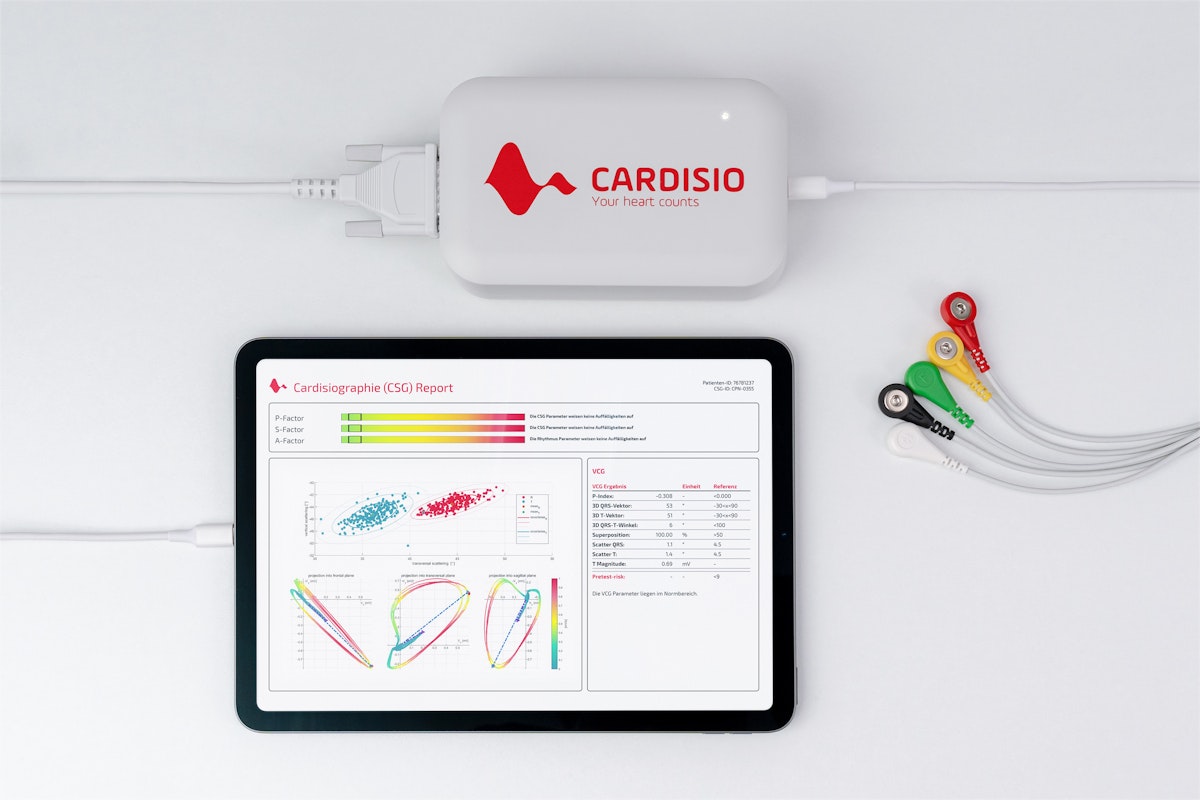
The big picture: University of Suffolk Visiting Professor Dr Simon Rudland, alongside colleagues from Sandwell and West Birmingham NHS Trust and the University of Wolverhampton, evaluated Cardisio™ – a German-developed test that interprets heart activity using cloud-based artificial intelligence algorithms.

The £340,000 study, funded by the Small Business Research Initiative and Cardisio™, tested 628 individuals in three community settings across ethnically diverse areas of the West Midlands between August 2023 and February 2024.
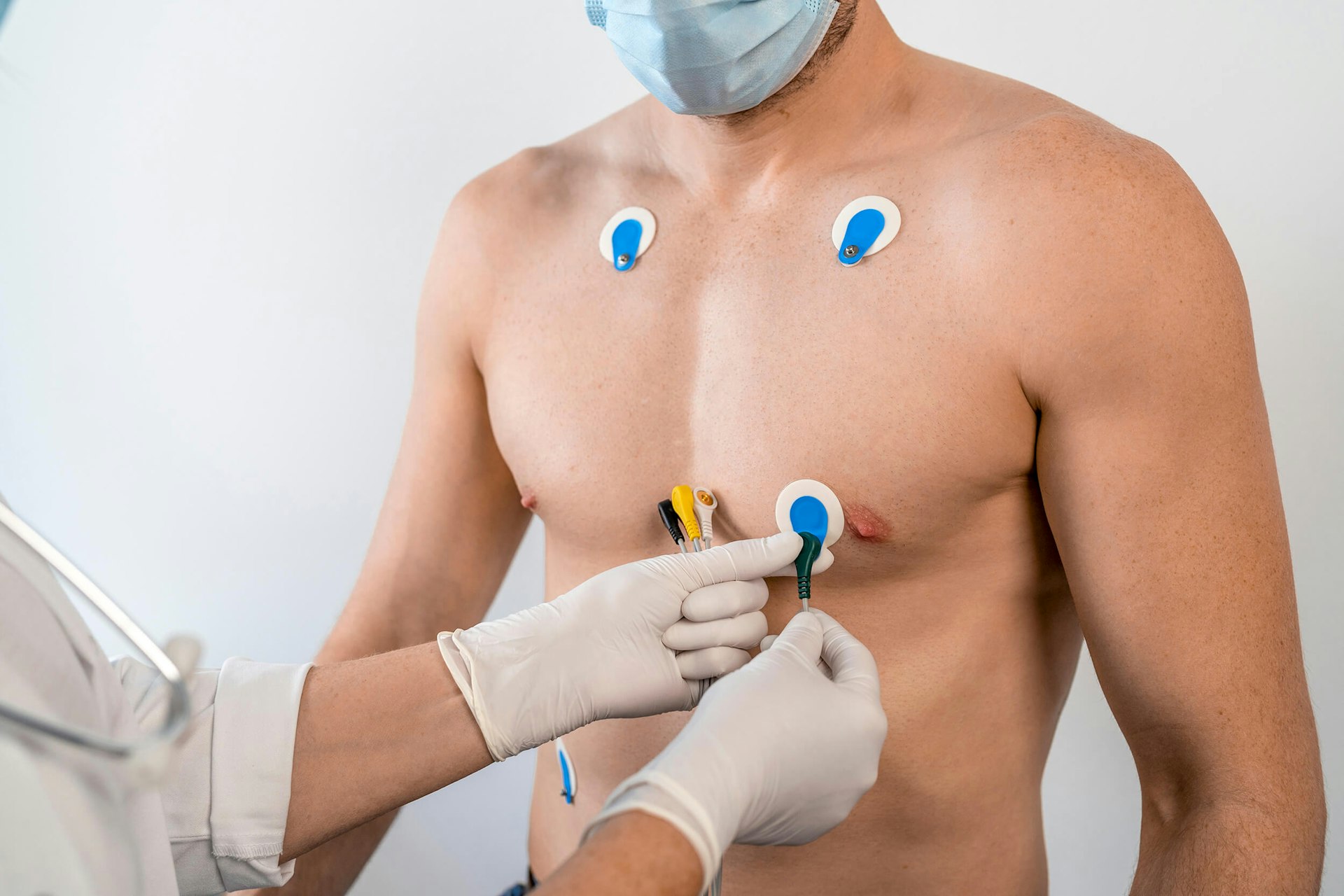
The details: The test uses five electrodes – four on the chest and one on the back – to monitor heart activity and returns a green, amber or red score.
Unlike traditional two-dimensional ECG tests, the technology measures the heart's electrical activity in three dimensions and uses AI to interpret rhythm, structure and perfusion of the heart muscle.
An independent consultant cardiologist found a strong association between red Cardisio™ results and the need for cardiology clinic referrals.
The test achieved positive predictive accuracy of 80% and negative predictive accuracy of 90.4%, with fewer than 2% of tests failing.
What they're saying: "Using digital technology to support patient diagnosis has the capacity to really change care pathways," Dr Rudland said. "The AI can analyse an enormous amount of data that a human being could not interpret."
Professor Alan Nevill from the University of Wolverhampton added: "We believe the implications of this research are huge. It means serious illness can be detected quickly, and it relieves some of the burden of work on overworked doctors all over the world."
What's next: Conversations are underway for a potential pilot in Suffolk or North Essex targeting women, a group that traditionally has limited access to early diagnosis and may present differently from men.
The bottom line: This AI-supported testing could revolutionise cardiovascular disease detection in community healthcare settings, improving access for hard-to-reach populations whilst reducing pressure on hospital services.