
Why county council's £7.8m overspend is bigger than it looks
A £7.8m overspend sounds modest against an £850m budget, but it comes as Suffolk County Council's financial safety net is forecast to more than halve this year, leaving less room to absorb future shocks.

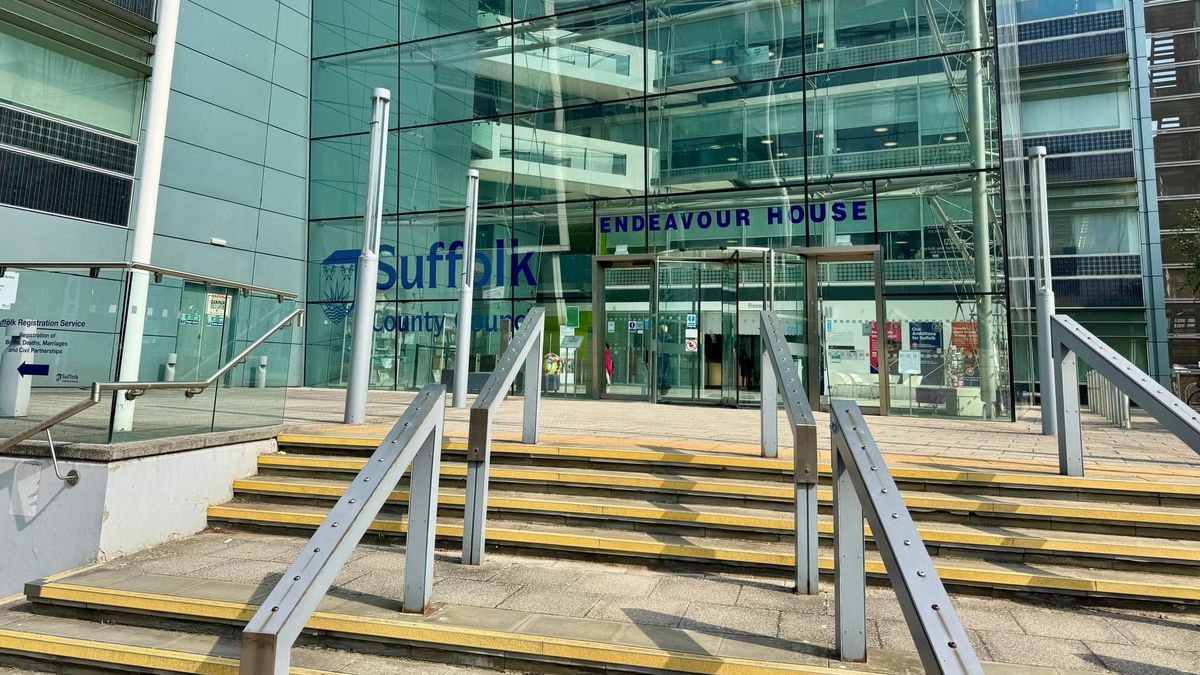
Why it matters: Cabinet papers published ahead of a meeting on 17 September 2026 show the council is forecasting a £7.751m overspend against its 2026-27 net expenditure budget at the end of the first quarter. The gap will be plugged from the council's Risk Reserve, which is forecast to fall from £19.1m to £9.7m over the course of the year.
The details: The overspend equates to 0.9% of the council's £850m net expenditure budget. It is overwhelmingly driven by Adult Social Care, which is forecasting an overspend of £11.3m, including an £11.5m overspend on care purchasing. The report attributes this to continuing demand pressures, including a rise in customer numbers during 2025-26 that has carried into the current year.
This has been partly offset by underspends elsewhere, including £4.1m in the Capital Financing budget, resulting from lower debt interest costs.
To fund the overspend, Cabinet is being asked to note that Unallocated Reserves – the council's core financial buffer – are forecast to stand at £38.8m by 31 March 2027, representing 4.6% of the net expenditure budget. That is £3.7m below the 5% threshold the council's Chief Financial Officer uses to assess financial resilience.
As a result, Cabinet is being asked to require Directors to review Earmarked Reserves within their own areas and identify any that can be repurposed to replenish the Risk Reserve to acceptable levels.
The bigger picture: Separately, the council is reporting a much larger forecast overspend of £104.8m against budgets funded by the Dedicated Schools Grant, almost entirely relating to Special Educational Needs and Disabilities (SEND) provision. The council expects this to be largely offset by a £147.5m High Needs Stability Grant from Government, which would reduce the accumulated deficit on the Dedicated Schools Grant reserve from £163.8m to £121.2m. Receipt of the grant is subject to Government approval of Suffolk's Local SEND Reform Plan.
The report notes that the council is forecasting delivery of £52.0m of savings and mitigations against a target of £46.5m, an over-achievement of £5.5m, driven primarily by Adult Social Care transformation programmes.
What they're saying: Cllr Vicky Armstrong, Cabinet Member for Finance, Economic Development and Efficiency, said: "The Quarter 1 figures have given us an early and clear warning about where we are overspending – and we are taking decisive action now to put the council on a stronger financial footing.
"We are instructing staff to go further and faster to identify savings and reduce the forecast overspend.
"Every pound of taxpayers' money should be spent as if it were our own. That means slashing waste, challenging every pound we spend, getting better deals from suppliers and focusing resources on the frontline services that make the biggest difference to people's lives.
"We are a council focused on getting things done, putting Suffolk communities first and delivering better value for taxpayers."
What's next: Directors have been instructed to work with their Cabinet Members and services to mitigate expenditure wherever possible and to continue monitoring budgets closely so that further issues are identified and addressed swiftly. The report is due to be considered by Cabinet on 17 September 2026, with a further update expected in the Quarter 2 monitoring report in November.
The bottom line: An overspend of less than 1% might not sound alarming on its own, but it is arriving at the same time as the council's financial cushion is shrinking and sitting below its own resilience threshold – a combination that has prompted Cabinet to order Directors to find savings and free up reserves before the position gets harder to manage.
Don't forget: If you enjoy our content, please add Ipswich.co.uk as a "preferred source" on Google so you can easily find more of the content you value.
This article cost us ~£34 to produce
It's free for you to read thanks to the generous support of our partners. Please support us by supporting them.
Below the line