
What Ofsted found at Ipswich's First Base Academy
Inspectors have published their first report on First Base Ipswich Academy under the new framework — here is what they found across each area of the school's provision.

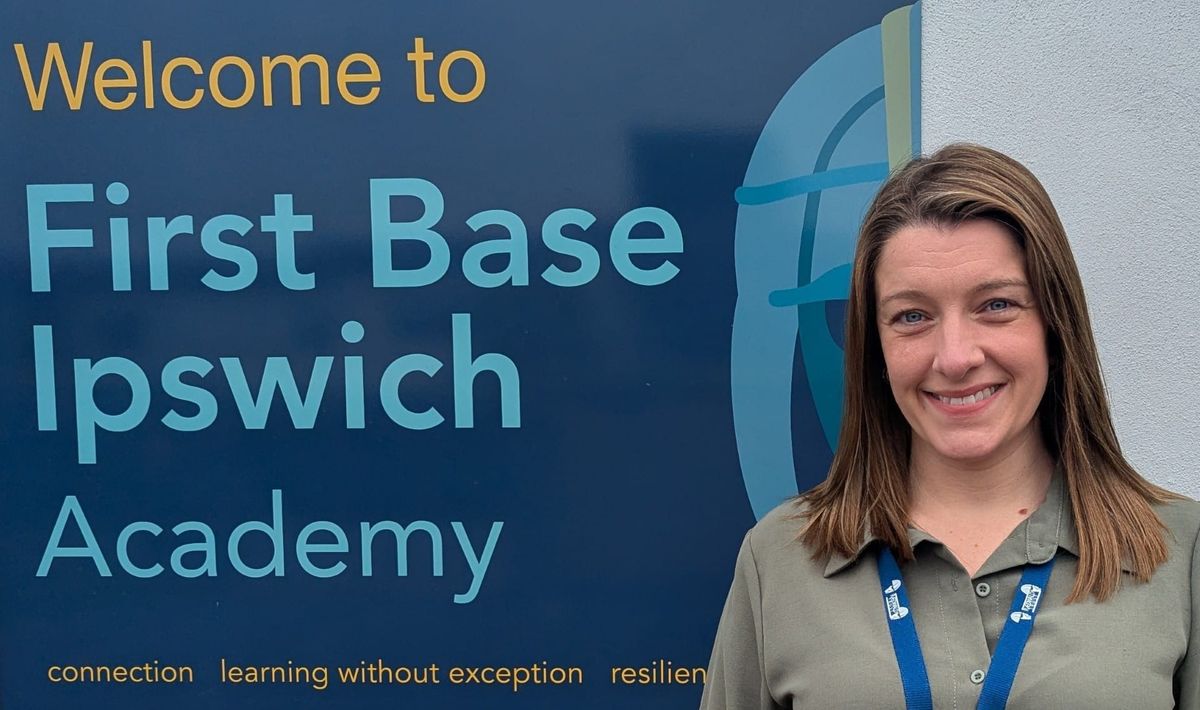
Why it matters: First Base Ipswich Academy, on Raeburn Road, is a small specialist school with a capacity of 12 pupils, providing full- and part-time placements for children with social, emotional and mental health needs. It is part of Raedwald Trust. For many of the pupils it serves — some of whom have missed significant periods of education or are at risk of permanent exclusion — the school plays a critical role in helping them return to mainstream education.
The details: Ofsted inspected the school on 12 May 2026. Under the new inspection framework, schools are rated across six areas on a five-point scale: exceptional, strong standard, expected standard, needs attention, and urgent improvement. First Base Ipswich received strong standard ratings in two areas and expected standard ratings in four.
Safeguarding standards were met.
Attendance and behaviour — strong: Inspectors found that leaders provide "highly effective strategic oversight of attendance and behaviour." Staff were described as identifying barriers to pupils' attendance — including those related to disadvantage and vulnerabilities — and working closely with families and external professionals to secure support. The report noted that pupils' behaviour and attitudes to learning improve within the school's "calm, nurturing and inclusive environment."
Inclusion — strong: The report found that leaders and staff are "highly ambitious for pupils" and "work relentlessly to identify and reduce barriers to learning and wellbeing." Inspectors noted that leaders carefully review pupils' needs as they change over time, and that parents and carers value the "highly relational support they receive." The school was also recognised for advocating on behalf of pupils and families to secure external services and specialist expertise.
Achievement — expected: Inspectors found that pupils build knowledge and skills over time and achieve well from their varied starting points, with most reintegrating successfully into mainstream education. However, the report noted that staff do not consistently support pupils to sustain and apply their learning throughout the school day and across wider learning opportunities, particularly within a newer curriculum pathway.
Curriculum and teaching — expected: The report recognised that leaders have sustained a "long established, high-quality curriculum" and strengthened assessment systems. However, inspectors found that temporary staffing instability has affected the consistency of provision for a small number of pupils within a newer, developing curriculum pathway. As a result, some pupils "rebuild confidence in learning and strengthen their knowledge, but are not consistently supported to sustain and apply this learning across the wider curriculum."
Leadership and governance — expected: Leaders and trustees were described as having "an unwavering ambition for pupils." However, inspectors found that trustees "do not have a precise collective understanding of the timeframes and success criteria needed to evaluate the implementation and impact of the new curriculum." The report also noted that dual commissioning arrangements with the local authority and partner schools do not always secure clear accountability for the newer curriculum pathway.
Personal development and wellbeing — expected: Pastoral support was described as "highly effective," with staff knowing pupils and their families "extremely well." The report found that pupils develop confidence, resilience and increasingly positive relationships. However, inspectors noted that leaders do not monitor and evaluate the impact of the curriculum and wider opportunities "sharply enough" for some pupils, particularly those accessing the newer curriculum provision.
What's next: Inspectors set out two areas for development. Leaders should ensure that teaching uses assessment information more precisely for pupils in the newer curriculum pathway, so that pupils build securely on prior learning and consistently apply their knowledge across the wider curriculum. Trustees and leaders, working with partner schools and the local authority, should also ensure there are clear, shared and accountable success measures for reviewing the effectiveness of the newer curriculum pathway.
What they're saying: Raedwald Trust chief executive Angela Ransby said: "We are delighted to see our dedication to improving attendance and behaviour at First Base Ipswich receive a strong standard. We welcome all the feedback from Ofsted's most recent visit and share their view of the positive and inspiring environment around the academy."
Headteacher Stacey Laws said: "We were delighted to welcome Ofsted to our school and to have the opportunity to showcase the hard work, dedication and achievements of our pupils and staff. The inspection provided a valuable opportunity to reflect on our strengths and our ongoing commitment to delivering the best care for every child to thrive. We are proud of the inclusive and ambitious culture that exists throughout our school community and look forward to building on our successes."
The bottom line: First Base Ipswich Academy's first Ofsted inspection under the new framework reflects a school doing strong work in inclusion and attendance, while identifying clear areas for development — particularly around the consistency of a newer curriculum pathway and the robustness of trustee oversight — that will enable it go from expected to strong across the board.
Don't forget: If you enjoy our content, please add Ipswich.co.uk as a "preferred source" on Google so you can easily find more of the content you value.
This article cost us ~£34 to produce
It's free for you to read thanks to the generous support of our partners. Please support us by supporting them.
Below the line