
Weeds, broken glass and a legal power left on the shelf
Ipswich Borough Council has the legal powers to force owners to clean up neglected buildings in our town, but it hasn't used them on a single commercial property in at least five years. Ipswich.co.uk asks why.

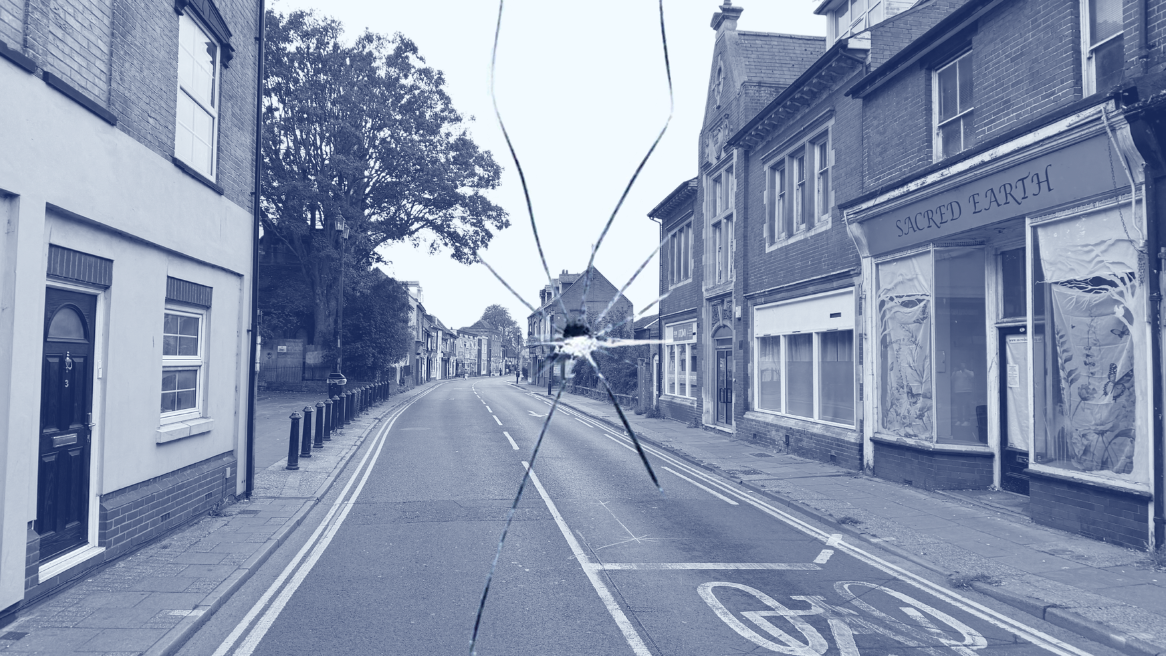
On Upper Orwell Street, weeds are growing across the doorways of empty shops. One vacant unit has a broken door. Another has its windows covered from the inside. On a third, paint is peeling from the frontage. Further along the street stands St Michael's Church, one of just six properties in Ipswich that the council has classified as at risk.
This is one of the streets the council itself has singled out. When its Executive approved plans for new High Street Rental Auction (HSRA) powers in July, officers proposed a bespoke boundary to include Upper Orwell Street and St Helen's Street.
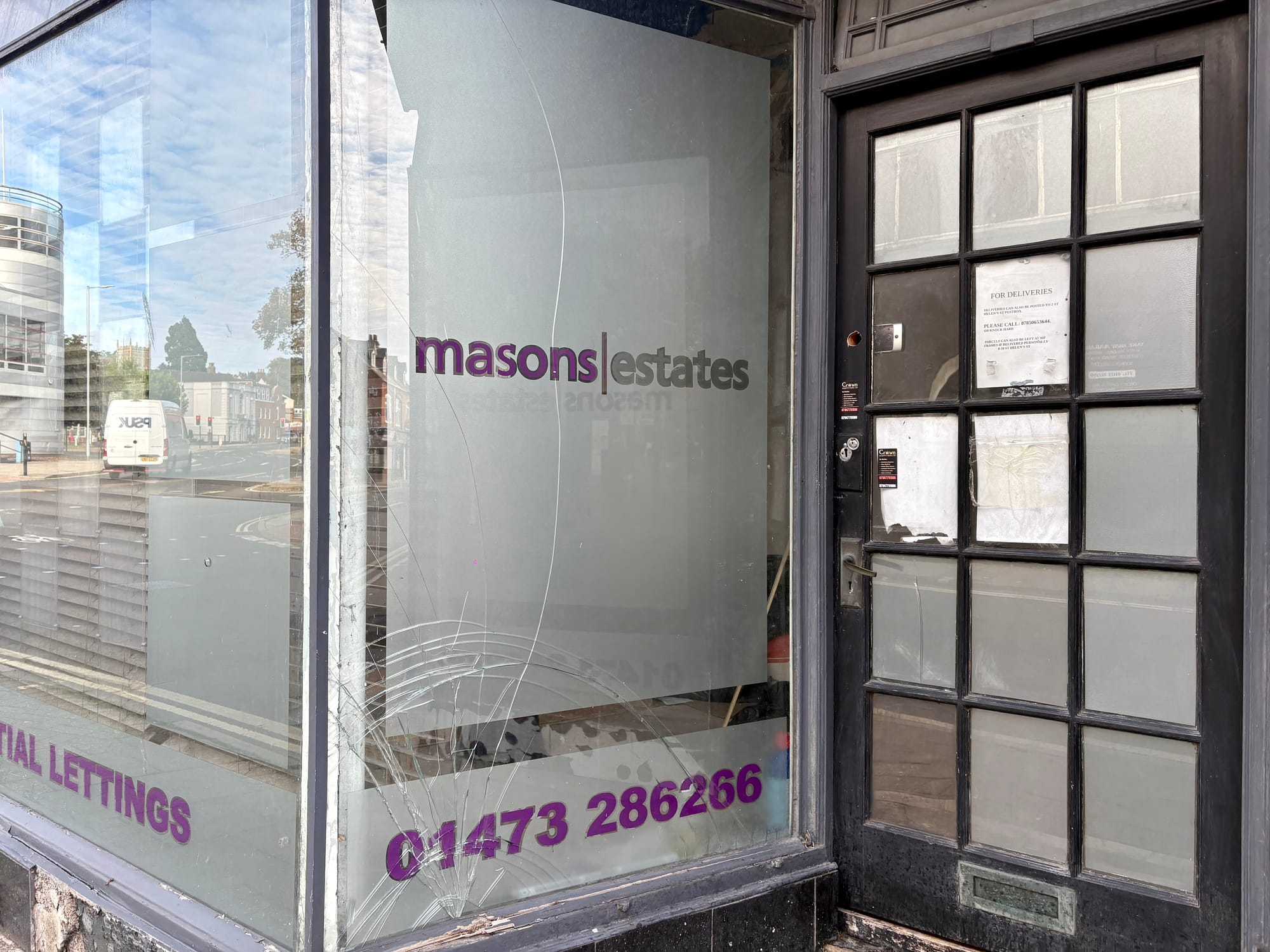
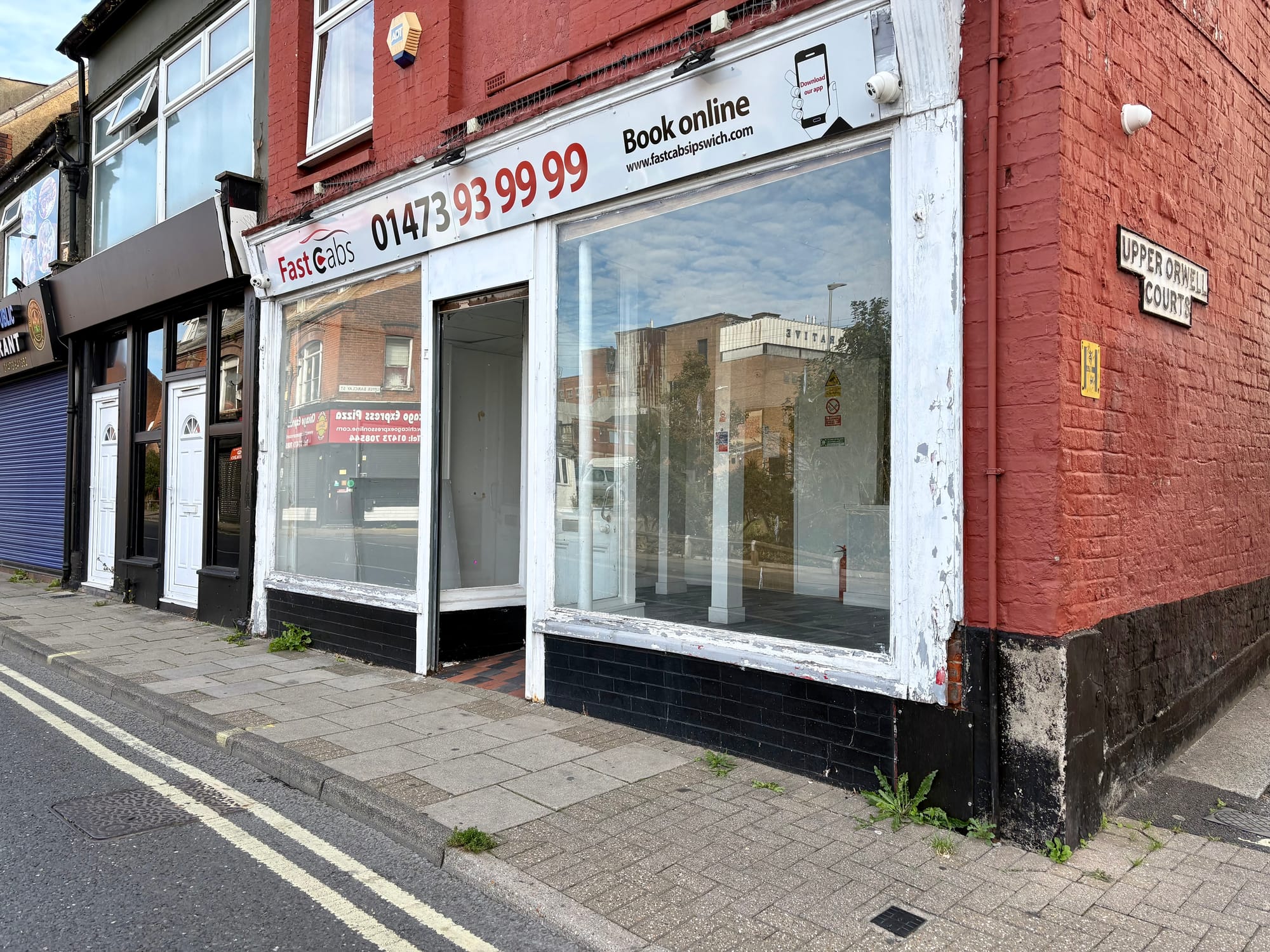
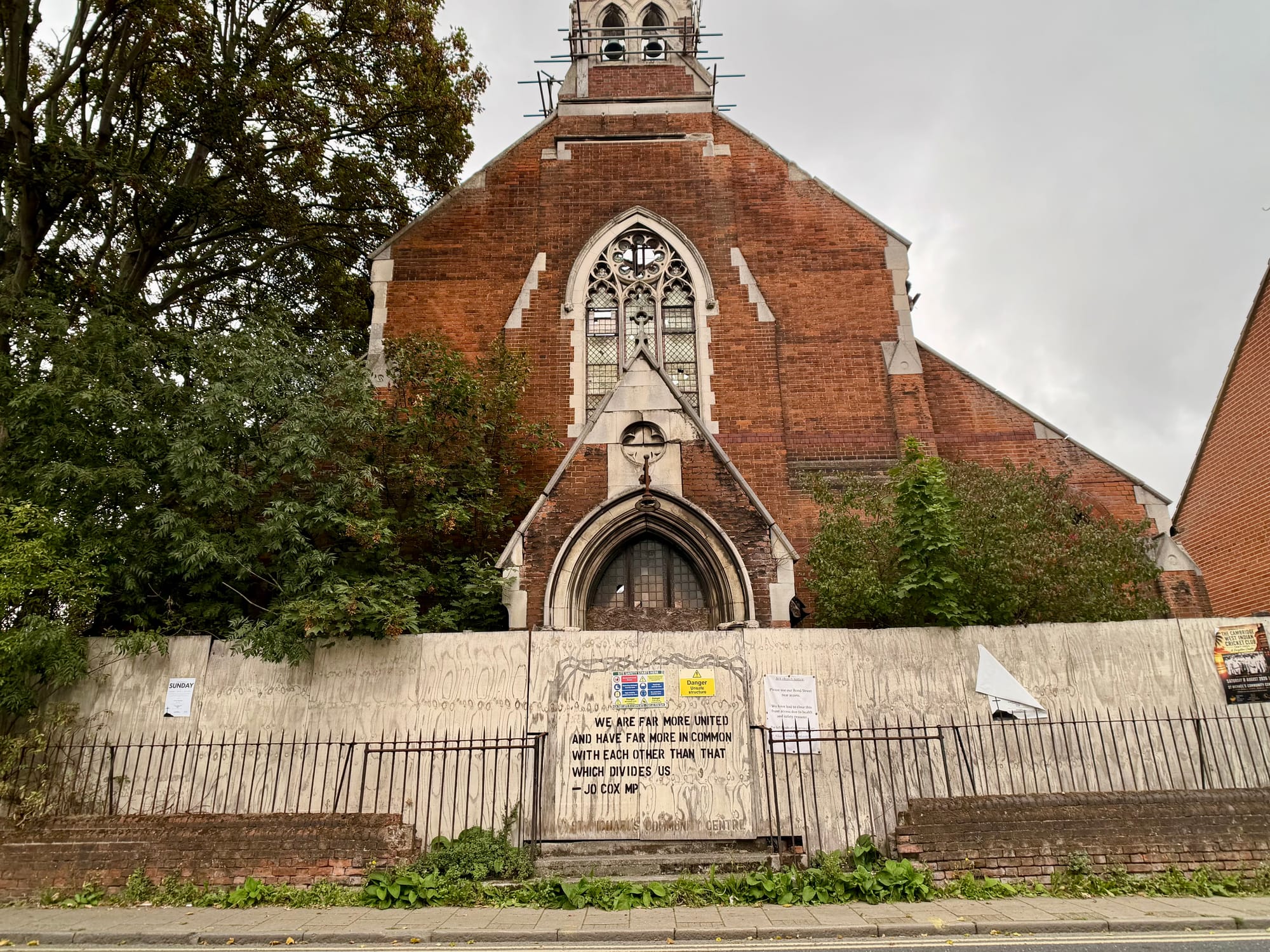
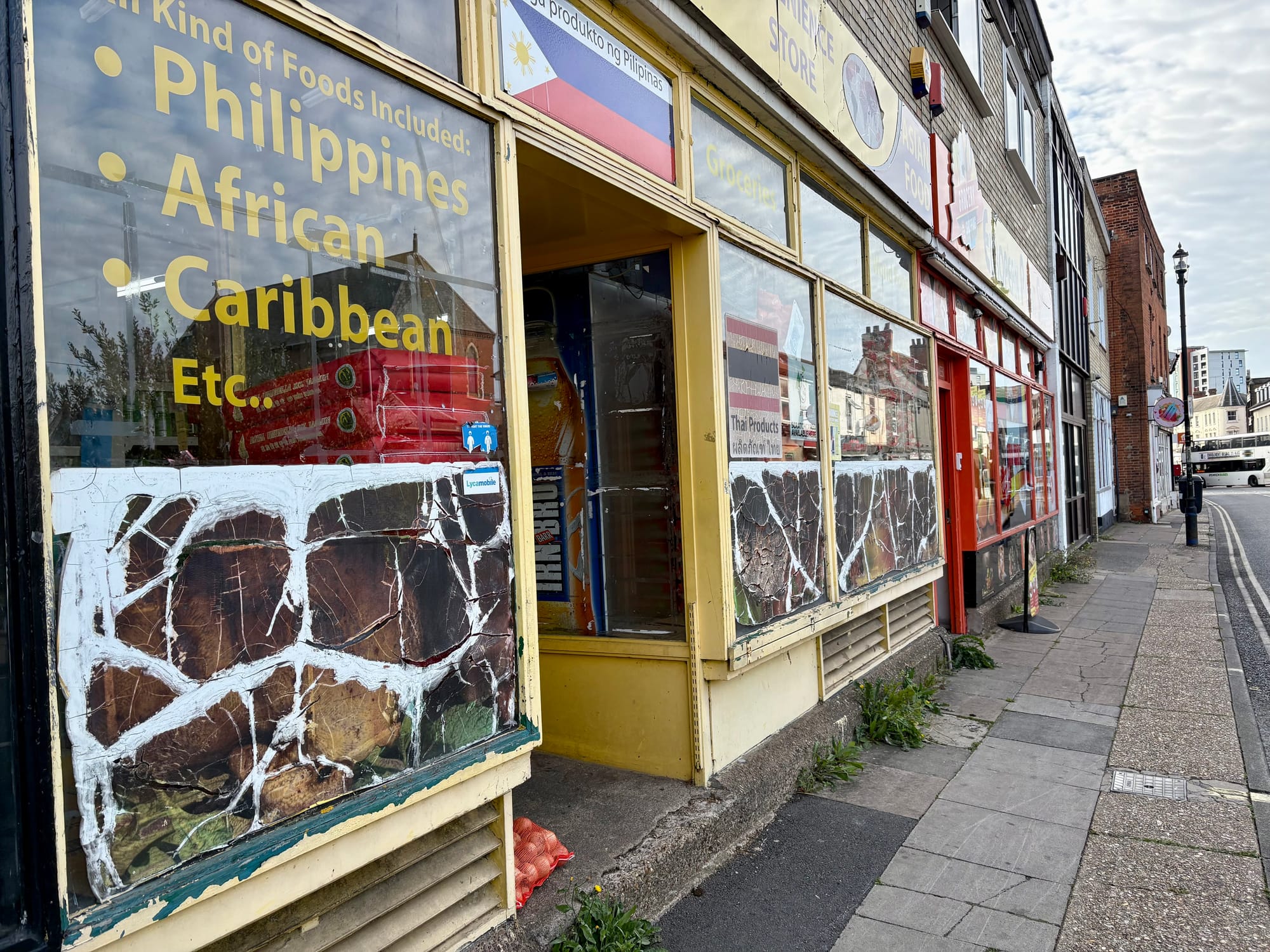
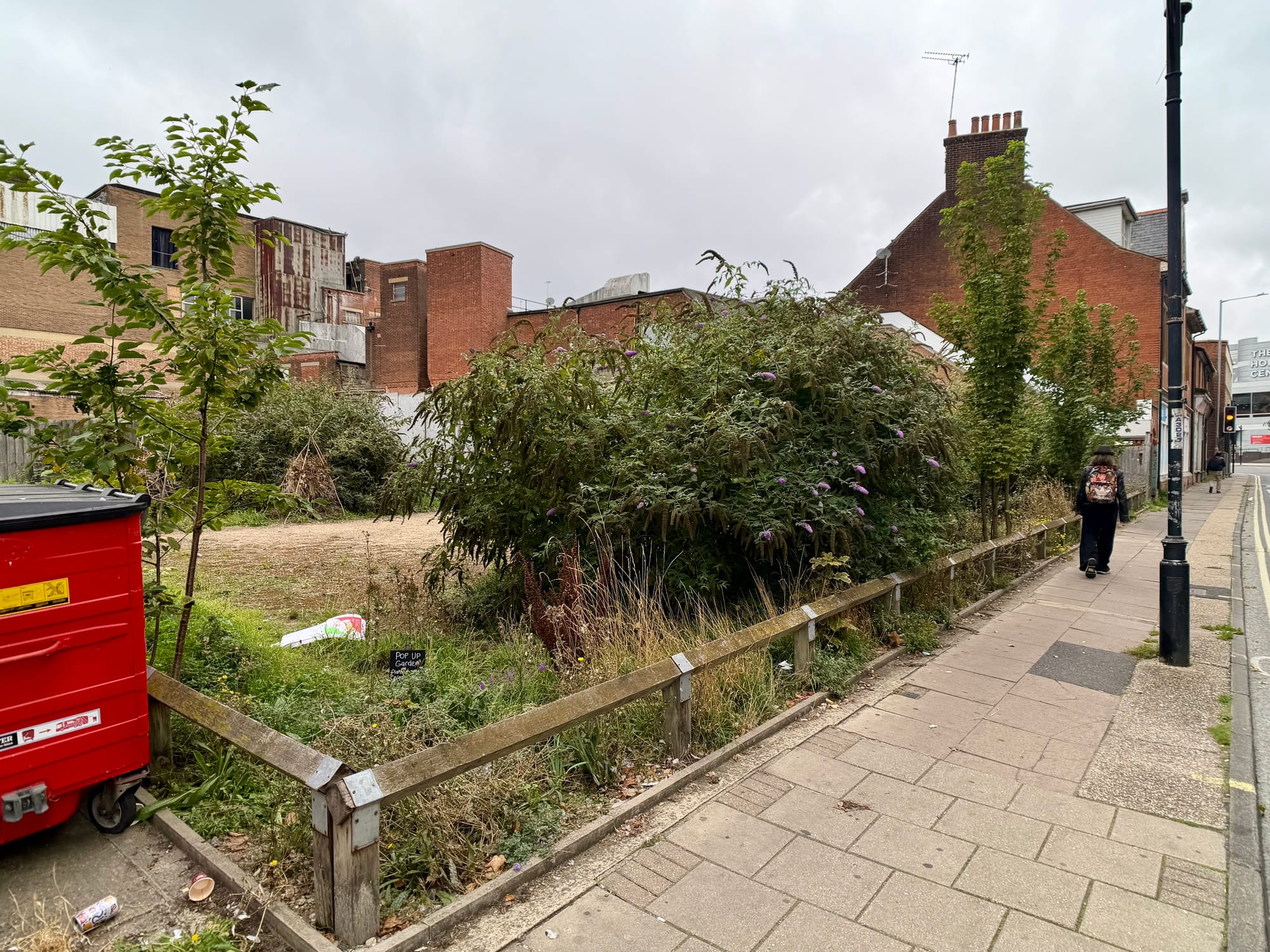
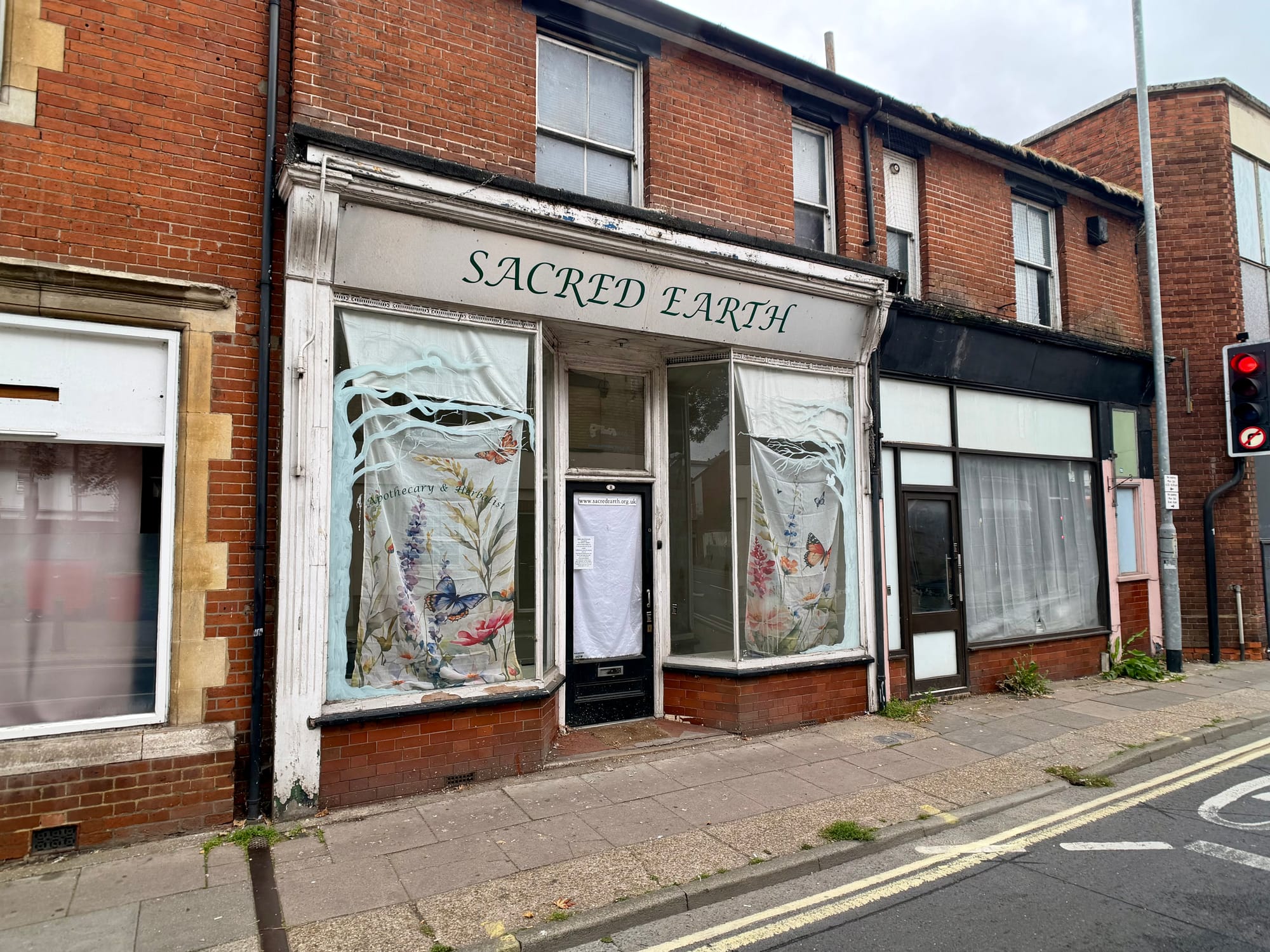
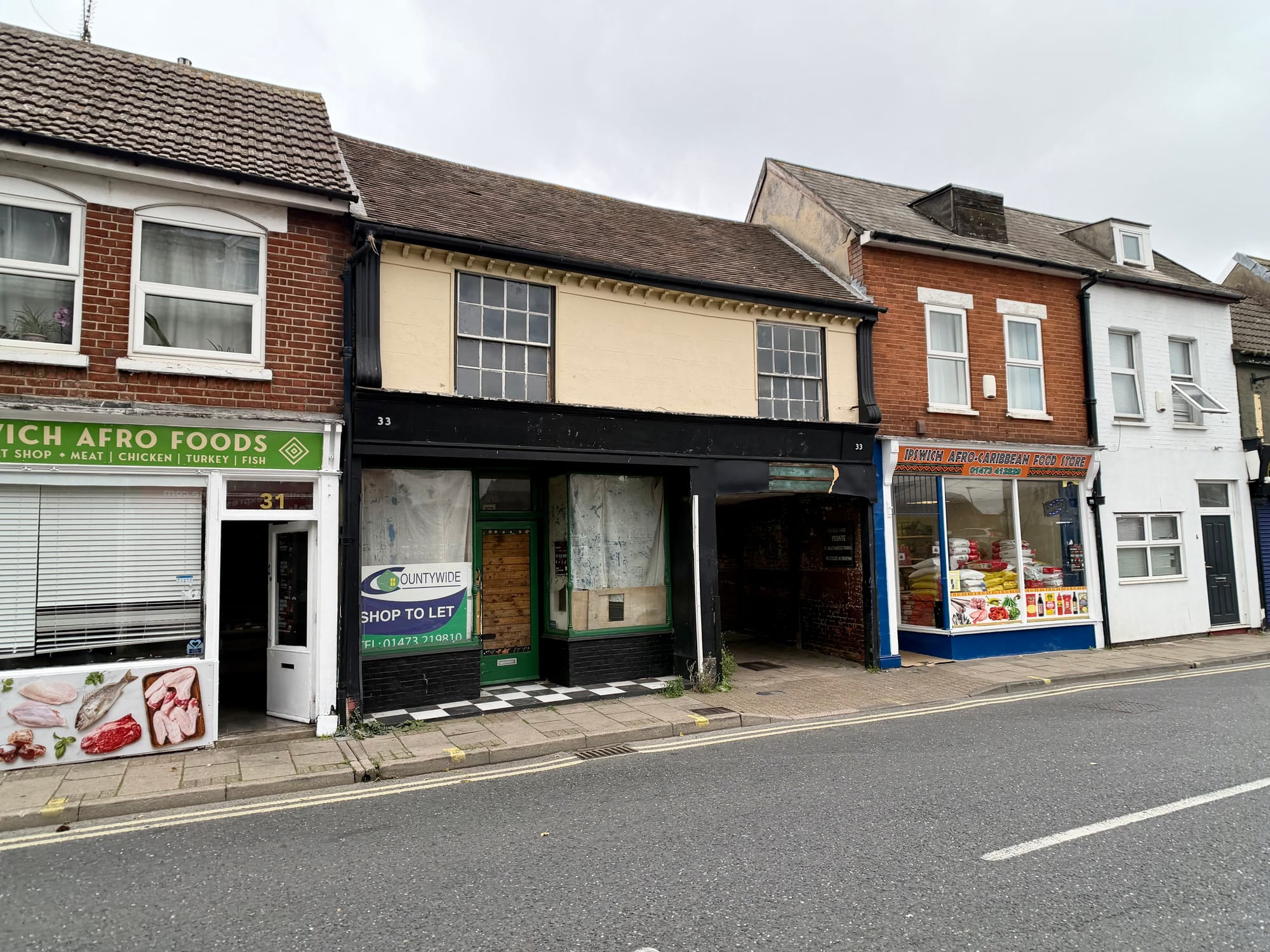
Commercial properties and St Michael's Church on Upper Orwell Street on 24 September 2026 (Photo: Nicola Sebastian/Ipswich.co.uk)
However, the council already has a power to deal with neglected buildings. Section 215 of the Town and Country Planning Act 1990 lets it order owners to clean up land and buildings whose condition harms the local area. Ignoring a notice is a criminal offence, and if an owner still refuses, the council can carry out the work itself under Section 219 and send them the bill.
In Ipswich, that power has not been exercised once in at least the last five years.
New powers, old problem
The vote, on Tuesday, 14 July 2026, was unanimous. HSRAs let councils auction leases on shops that have been empty for a year or more, and a public consultation on the proposed boundary closed on Wednesday, 19 August.
Under the scheme, the council serves notice on a landlord, who then has eight weeks to find their own tenant. If they fail, the council can run a 12-week auction for a lease of between one and five years. Each auction is estimated to cost £9,450, and the council projects a net cost of £118,670 over five years if it runs five a year and recovers none of the costs.
 Nicola Sebastian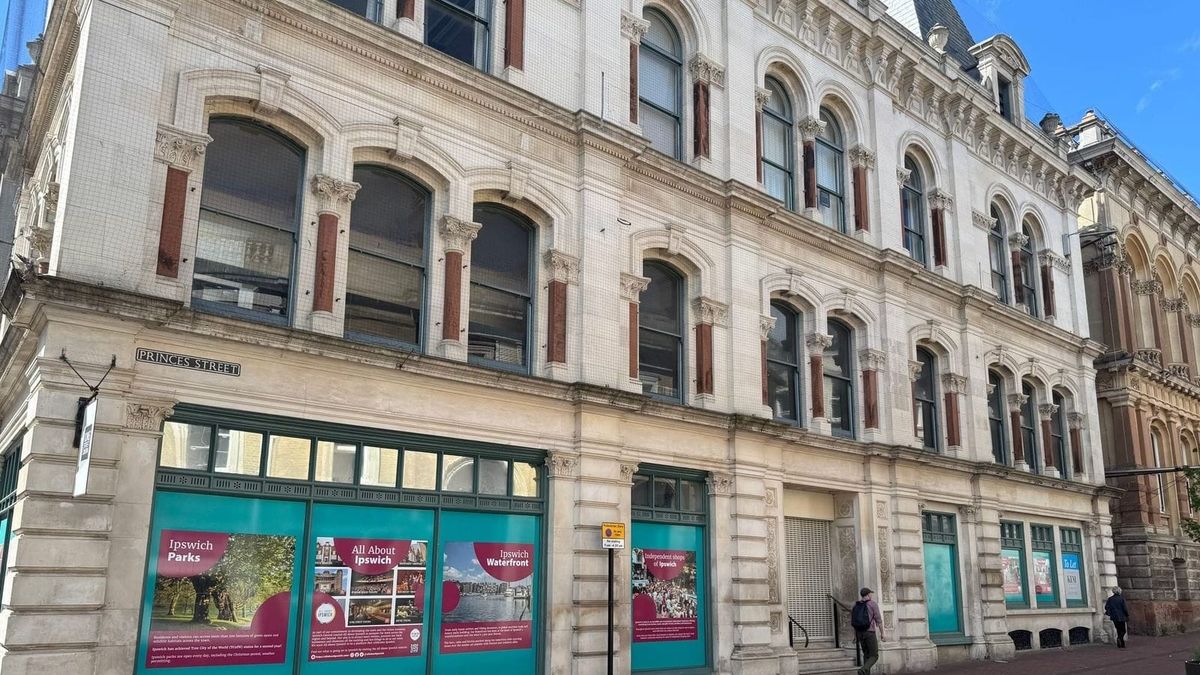
"The Council is determined to tackle vacant town centre units, which reduce footfall, harm businesses and damage Ipswich's overall vitality," said Cllr Neil MacDonald, Leader of Ipswich Borough Council, in July. "The aim is to break the cycle of long-term vacancy, unrealistic rents, inactive landlords, and long-empty units."
But HSRAs are designed to fill empty units. They do nothing about how those units look while they wait for a tenant – and that matters.
The idea has a name. In 1982, American social scientists James Q. Wilson and George L. Kelling set out what became known as the broken windows theory. They argued that one unrepaired window "is a signal that no one cares", and that small signs of neglect, left alone, invite bigger problems.
The College of Policing says there is evidence that low-level disorder, if not addressed, can lead to more disorder and crime, though not convincing proof that it leads, step by step, to serious crime. Even so, the basic point – that neglect sends a message – applies to streets like Upper Orwell Street, where the problem is not only that shops are empty, but how they look.
What the figures show
A Freedom of Information request shows the council records 551 empty commercial and retail properties in the borough.
How long empty | Properties |
|---|---|
Less than six months | 80 |
Six to 12 months | 62 |
One to two years | 82 |
More than two years | 327 |
Total | 551 |
Asked how many enforcement actions it had taken over vacant, derelict or poorly maintained commercial premises, including Section 215 notices, the council gave the same answer for every year from 2021 to 2025: zero.
The council's response
"While it is correct that the Council has not issued any formal Section 215 notices in relation to derelict or poorly maintained commercial premises since 2021, this reflects the fact that positive outcomes have been achieved through early engagement with property owners, without the need for formal enforcement action," said Cllr Carole Jones, Portfolio Holder for Planning and Museums.
"The aim of the Council's work is not simply to serve formal notices, but to secure improvements to land and buildings where their condition is affecting the local area," she said. "There are other tools available to us which may work more effectively than simply handing out Section 215 notices; handing these out to people does not necessarily mean they will resolve the issues."
She described the process: "As soon as we are aware of problems, our planning officers contact the owners or tenants of these problem sites. We make clear to them what they need to do. We check on progress. If problems are not resolved in a timely fashion, we make it clear that enforcement action is an option we are considering."
The council's Local Planning Enforcement Plan, published in July 2025, backs that approach. It states that "the quickest and best way to bring about a resolution is through negotiation", while acknowledging this "sometimes may appear that someone is 'getting away' with something".
"Section 215 remains one of the tools available to the Council, and we will consider its use where informal engagement does not secure the improvements needed," Cllr Jones said. "The focus, however, will always be on resolving these issues – on achieving positive outcomes for residents, businesses and the wider town centre."
Yet the council has not pointed to a single long-empty commercial property improved through that engagement. It did not say whether the cost of carrying out works itself was a factor, or whether it holds a budget for doing so, although its own enforcement plan lists the "financial implications" of direct action as a consideration.
A power used before
The council has recently used Section 215, but on a house rather than a shop. After the occupant of a property on Bramford Road ignored a notice to clear their gardens, they were convicted on Wednesday, 7 May 2025, fined £300 plus a £120 surcharge, and ordered to pay £3,715.60 in costs. The council then cleared the gardens itself. The process took around two years from officers first exploring direct action.
The council has used the power on neglected town centre buildings before, too. In 2016, the council served a Section 215 notice on 4–10 St Margaret's Plain, in the Central Conservation Area. By early 2018, the property had stood vacant for more than 10 years, the owner had not complied, and the council was preparing to prosecute.
A report to councillors in January 2018 said: "It is a fact that run-down and derelict buildings, together with indiscriminate unlawful advertisements, in particular those falling within the category of fly-posting, convey all sorts of negative impressions and seriously affect the amenity of the area."
The bottom line
The council has already put Upper Orwell Street inside its proposed boundary for new powers. Its own leader says vacant units "reduce footfall, harm businesses and damage Ipswich's overall vitality", and its own officers wrote in 2018 that run-down buildings "convey all sorts of negative impressions".
The council says early engagement is delivering "positive outcomes", but has not named a single long-empty commercial property where that has happened. HSRAs may, in time, fill some of the town's empty shops, but they will not change how those shops look while they wait.
The broken windows theory boils down to one simple resolution: fix the windows, quickly. The council already has the power to make commercial landlords fix theirs. For at least the last five years, it has chosen not to.
Don't forget: If you enjoy our content, please add Ipswich.co.uk as a "preferred source" on Google so you can easily find more of the content you value.
This article cost us ~£163 to produce
It's free for you to read thanks to the generous support of our partners. Please support us by supporting them.
Below the line