
The school run that started a business network
When Milo Dunne could no longer make early breakfast meetings or long midday networking sessions work around the school run, he built something that would fit around parenting instead. Seven years on, that solution has spread across the region.

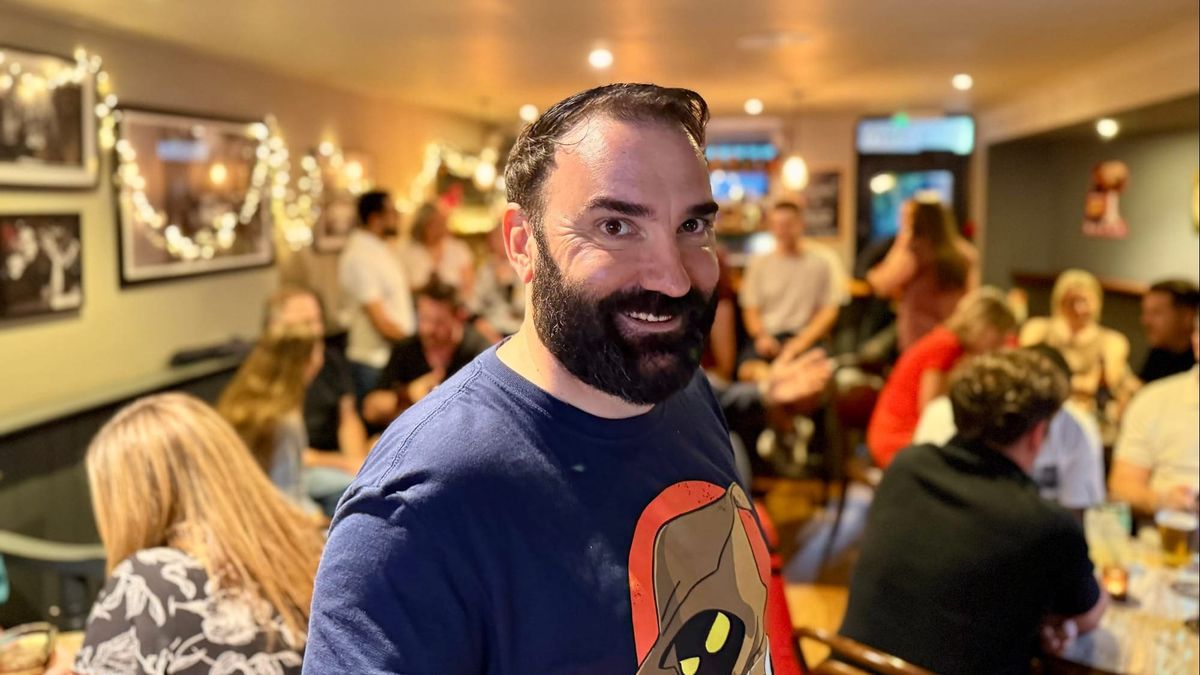
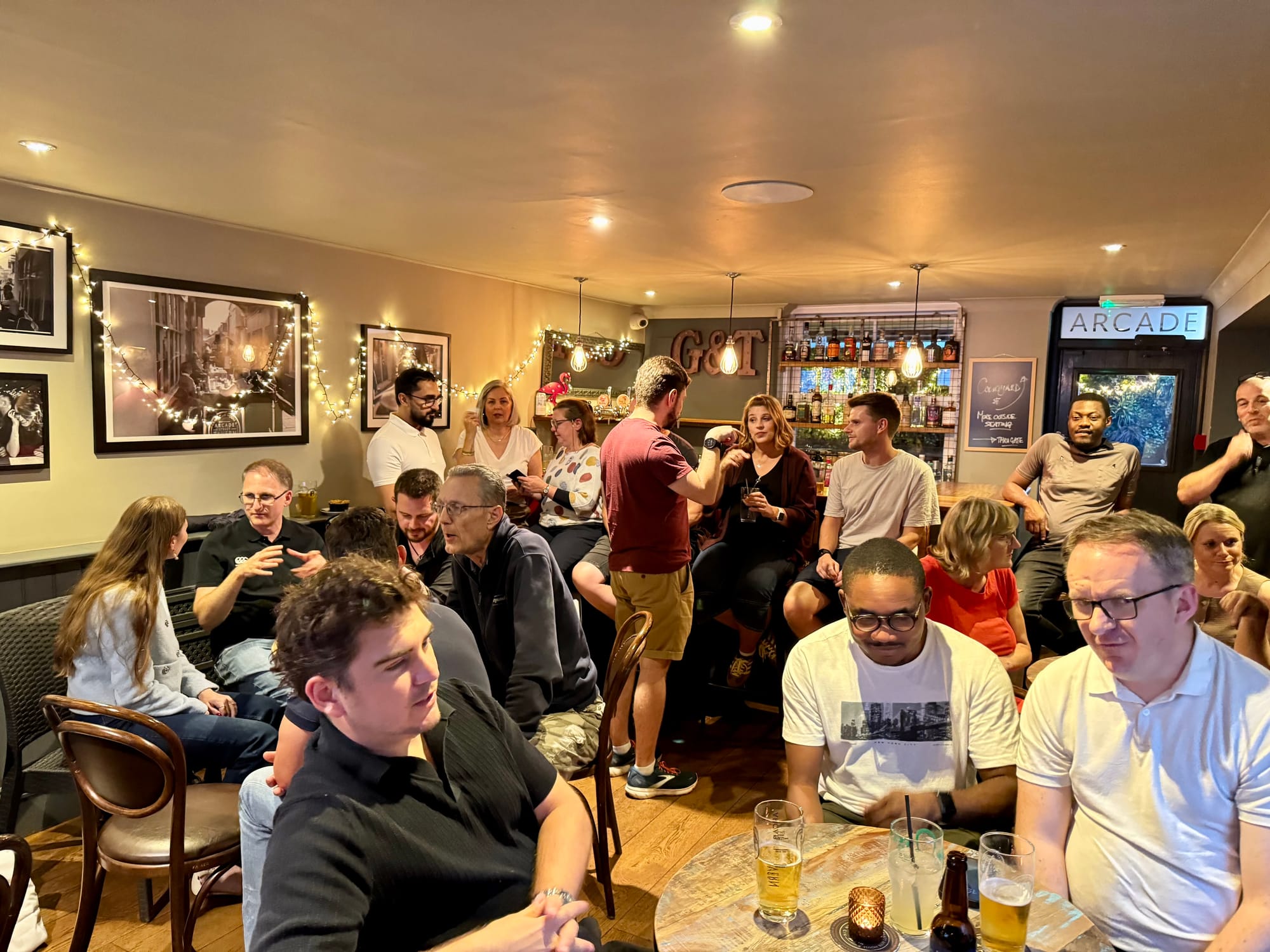
It is a Thursday evening at the Arcade Tavern, and more than 20 people are packed into the room, pints in hand. One by one, they stand up and introduce themselves along with their favourite TV advert, which triggers some hot debate and some gentle piss-taking. Suffolk networking mainstay Chris Chenery is spotted among the crowd – if you know, you know.
At the front of it all is Milo, sarcastically and wittingly taking the mick out of whoever has just sat down. It is, somewhat surprisingly, very good fun. This is PUBNetworking, and what looks like a straightforward pub night out is, in fact, the result of a very deliberate decision Milo made back in late 2018.
A network built around the school run
Before PUBNetworking existed, Milo was already running his own business. What he could not do, he explains, was network in the traditional sense.
"I was already running my own business but couldn't network traditionally anymore because I did the school run," he says.
There had once been an informal solution: a monthly pub meet-up for local Suffolk and Essex business people, low-key and enjoyed by everyone who came along. But, as these things do, it fell away, undone by a lack of advertising and the time pressures on whoever was left organising it.
Rather than let the idea disappear altogether, Milo decided to bring it back – but this time with enough structure behind it to make it worthwhile.
"I wanted an excuse to keep meeting other business owners and get up on my feet to practice public speaking," he says. "I decided to put a ticketed event in place to bring back that monthly pub night, but with enough structure to build useful business relationships."
The timing of it all came down to one factor above all others: parenting.
"Early breakfast meetings were completely off the table because of the morning school run," Milo explains. "Midday events were useless too, leaving at 11:30am and getting back at 2:30pm burned three hours out of the middle of the workday. Evenings were the only slot that fit around parenting without killing productive working hours."
The night that proved it could work
The first event had a name that, by Milo's own admission, was never going to win any marketing awards: Business Networking With Optional Alcohol.
"Not exactly catchy," he laughs. He had no idea how the evening would go. In the end, 23 or 24 people turned up.
For Milo, that was the moment the idea shifted from a personal itch to something with genuine demand behind it.
"That crowd proved immediately that the demand was sitting there, and it needed to turn into an organised monthly event," he says.
Built to feel like the pub, not a pitch
What has developed since that first night is a format that deliberately avoids the rigidity of conventional business networking. There are open gaps in the evening for people to head to the bar and talk without any agenda, alongside structured elements and an educational talk designed to make sure people actually connect.
"It gives you the value of a traditional network but feels like an evening at the local with friends," Milo says.
Central to that atmosphere is a strict no-pitching rule. Speakers are told before they get up that their job is to add value, not sell.
"Sitting in a pub at 8:50pm listening to a hard sell isn't something anyone wants to do," Milo says. "If someone starts pitching or loses the room, they will be asked to provide value or stop."
That evening at the Arcade Tavern bears this out. Beyond the introductions and the advert-themed icebreaker, there is little sense of anyone working the room for business cards. The banter comes first.
From one pub to a region
What started as a single event in Ipswich has since grown into a wider network of regional clusters, with regulars in Ipswich known to travel to sister events in Colchester, Cambridge and Bury St Edmunds, and vice versa. There is no membership model – attendance is pay as you go, built on the idea that people will keep returning if they enjoy it.
Growth has not been without its setbacks. Expansion plans were disrupted just as lockdown hit, though Milo says the shift online ended up working in the network's favour, allowing it to build a following in places like Brighton faster than it might otherwise have managed. The bigger challenge now, he says, is the wider economic climate, which has seen attendance drop across the networking sector as a whole and led some larger, more traditional networks to close chapters altogether.
The bottom line
What began as an attempt to solve one parent's networking problem has grown into a monthly fixture across Suffolk, Essex and beyond, built on a simple premise: that business relationships are easier to build over a pint than a pitch.
As Milo puts it: "Networking is a long game. You show up to build trust, not to harvest fast cash."
Don't forget: If you enjoy our content, please add Ipswich.co.uk as a "preferred source" on Google so you can easily find more of the content you value.
This article cost us ~£122 to produce
It's free for you to read thanks to the generous support of our partners. Please support us by supporting them.
Below the line