
Suffolk Police to test drivers' eyesight in roadside crackdown
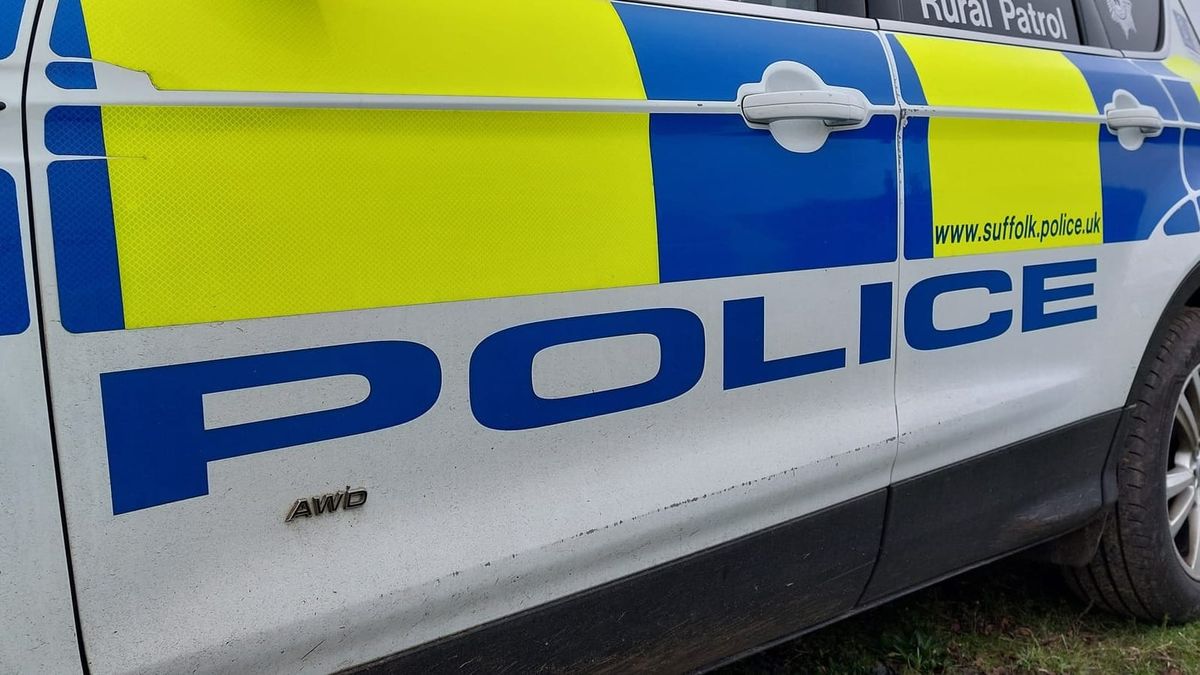
Suffolk Police will carry out roadside vision screenings over the next fortnight, checking motorists can read a number plate from 20 metres as part of a national road safety drive.

Why it matters: Eighteen people died on UK roads in 2025, and around 3,000 are seriously injured every year, because of drivers or riders with uncorrected or defective eyesight.
The details: The law requires all motorists to be able to read a car number plate from 20 metres – about five car lengths – have a visual acuity of 6/12 on the Snellen scale (wearing prescription eyewear if needed), and have an adequate field of vision. Lorry and bus drivers face additional standards.
Checks will be carried out in good daylight conditions, using a registration plate fixed at the correct measured distance, with drivers wearing any glasses or contact lenses they would normally use behind the wheel.
Under Cassie's Law, drivers who fail a roadside number plate test can have their licence revoked on the spot if an officer judges them unsafe to be on the road.
By the numbers: A 2025 survey, Is Your Vision Roadworthy?, found more than 1.2 million motorists were driving on Britain's roads with defective eyesight. One driver could only read a number plate from just over a metre away – far short of the 20-metre legal requirement. Results from Suffolk's screening will feed into this year's survey, which helps shape future road safety policy.
What they're saying: Chief Inspector Gary Miller, head of the Joint Norfolk & Suffolk Roads & Armed Policing Team, said most drivers underestimate the risk: "Most drivers know that worn or defective tyres on their vehicle can result in a fine and penalty points, but they are less likely to realise that driving with uncorrected defective eyesight is punishable with a fine of up to £1,000, three penalty points and possible disqualification. Poor vision can increase your risk of a collision."
He added: "Ninety per cent of the information a driver uses is visual, so we want to use the roadside screening to raise awareness of the fundamental importance of good eyesight. Drivers who fail to meet the required standards are not only breaking the law but putting themselves and other road users at risk."
Suffolk's Police and Crime Commissioner, Tim Passmore, urged motorists – particularly older drivers – to get checked: "Every life lost on Suffolk's roads is one life too many. Many of these tragedies are preventable, which is why it is so important that drivers take responsibility for ensuring they are fit to drive."
He added: "Our eyesight naturally deteriorates over time and conditions such as cataracts and glaucoma can significantly affect our ability to drive safely, especially on rural roads which were never designed for the levels of traffic we see now. Poor eyesight, particularly when it has not been identified or treated, can be just as dangerous as drink or drug driving."
What's next: Suffolk Police and Norfolk Police will carry out an increased number of mandatory and voluntary roadside eyesight tests over the next two weeks. Motorists are advised to have a sight test every two years, even if they believe their vision is fine, as deterioration can happen gradually and go unnoticed.
The bottom line: With more than a million drivers on Britain's roads failing to meet legal eyesight standards, Suffolk Police's roadside checks are a reminder that good vision isn't just a legal requirement – it could be the difference between life and death for drivers and everyone else on the road.
Don't forget: If you enjoy our content, please add Ipswich.co.uk as a "preferred source" on Google so you can easily find more of the content you value.
This article cost us ~£27 to produce
It's free for you to read thanks to the generous support of our partners. Please support us by supporting them.
Below the line