
Suffolk councils edge towards their reserve limits
Suffolk County Council expects to hold just £1.5m above its minimum reserve level this year, as authorities across the county brace for tough financial decisions – though one district council is sitting on tens of millions in surplus.


Why it matters: Councils in Suffolk are closing in on the minimum reserves they are advised to hold, with one exception bucking the trend entirely.
By the numbers:
- Suffolk County Council is forecast to hold £6.5m in reserves against its £5m recommended minimum – a difference of just 0.18% of its overall budget, driven by a £44m forecast reduction in unallocated reserves.
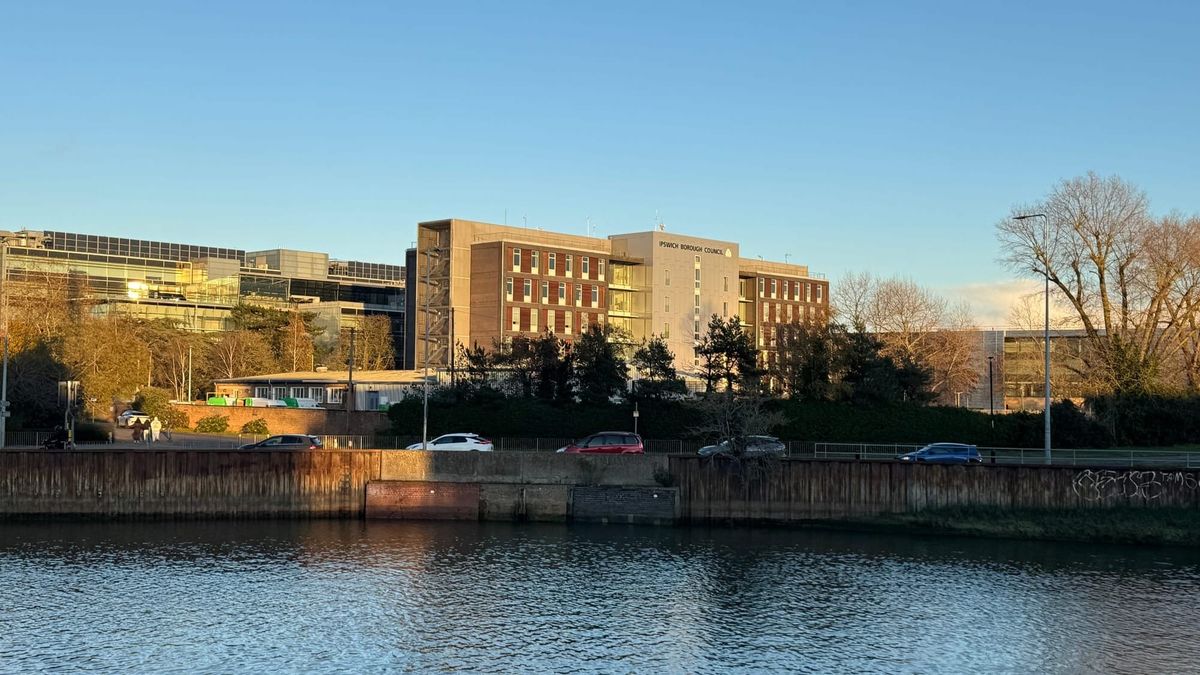
- Ipswich Borough Council's unallocated reserves stand at just over £4.8m, only £577,000 above its £4.25m limit.
- West Suffolk Council's unallocated reserves are forecast to reach £5.43m, only £430,000 over its £5m limit.
- At Babergh and East Suffolk councils, reserves are between £1.4m and £2.65m above their self-imposed minimums.
- Mid Suffolk District Council is the exception, holding £37m in reserves against a £1.2m limit – more than all other Suffolk authorities' reserves combined, driven largely by its Gateway 14 development in Stowmarket.
What they're saying: Cllr Vicky Armstrong, Suffolk County Council's lead for finance, said the authority had inherited a difficult financial position and had moved quickly to address the pressures.
"The reality is that demand for services continues to rise, costs are increasing, and Government funding is not keeping pace," she said. "That means there are tough decisions ahead.
"We will not shy away from them. We are ready to reshape how we work to get the council back onto a sustainable footing while protecting the services residents rely on most."
For context: Reserve limits are set by a council's chief financial officer – also known as a section 151 officer – taking into account reasonable financial risks the authority may need to absorb.
The Local Government Association (LGA) says councils across the country face a £7bn funding gap by the 2028/29 financial year. When the Government announced it would award councils multi-year financial settlements at the end of 2024, for the first time in several years, there was a brief sense of relief – but the LGA has warned that financial pressures remain and could affect residents and the services they rely on.
Falling below a reserve limit does not mean a council is effectively bankrupt, which is signalled by a section 114 notice. But it does mean authorities will need to find further savings beyond already ambitious targets, increase fees, or cut non-statutory services. Councils may also be able to re-purpose some earmarked reserves – money set aside for specific purposes such as renewing a waste fleet or developing commercial property – if the original project is no longer required.
The bottom line: Most Suffolk councils are closing in on the reserves they are advised to hold, leaving little room for manoeuvre as costs rise and government funding fails to keep pace – while Mid Suffolk's Gateway 14 windfall leaves it standing apart from the rest.
Don't forget: If you enjoy our content, please add Ipswich.co.uk as a "preferred source" on Google so you can easily find more of the content you value.
This article cost us ~£27 to produce
It's free for you to read thanks to the generous support of our partners. Please support us by supporting them.
Below the line