
Suffolk charity helps link reading to children's wellbeing
Suffolk Mind has helped uncover a clear link between reading and high mental wellbeing in children and young people, as part of a national study of more than 52,000 eight to 18-year-olds.

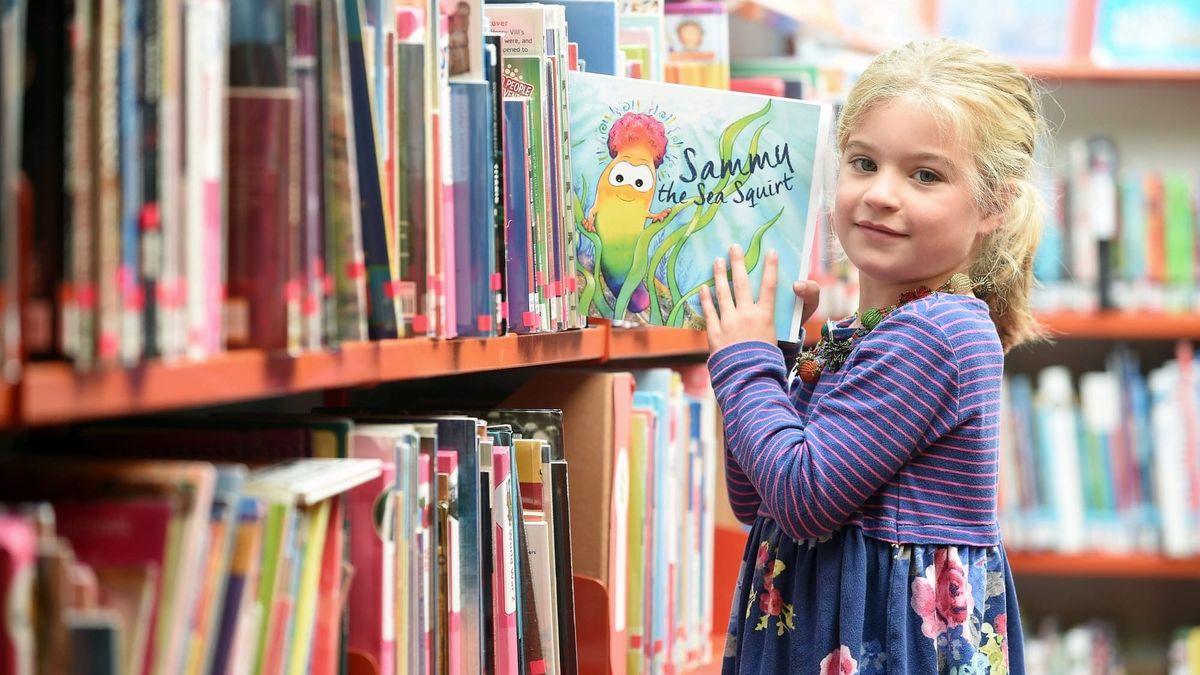
Why it matters: The research found that children and young people who enjoy reading, read daily and feel confident in their reading skills are more likely to report high levels of wellbeing.
The details: Suffolk Mind joined forces with the National Literacy Trust for the trust's 'Children and young people's reading and wellbeing in 2026' report, which surveyed children across the UK.
- The trust included an age-appropriate version of Suffolk Mind's Emotional Needs Audit in its Annual Literacy Survey for 2026.
- The audit asks children and young people how they feel about their wellbeing and their daily lives, covering areas including physical wellbeing, relationships, emotional support, confidence and autonomy.
- Using the audit, the study was able to explore the relationship between young people's engagement with reading and their wellbeing.
By the numbers:
- Of those who enjoy reading: 83.1% reported high levels of wellbeing, compared with 78.8% of those who do not.
- Almost 85% of those who read daily, reported a high level of wellbeing, compared with 71.1% of those who rarely or never read.
- The biggest gap was linked to confidence, with 84.3% of those who described themselves as confident readers reporting high wellbeing, compared with 58.2% of those who did not.
What they're saying: Jon Neal, chief executive of Suffolk Mind, said: "These fascinating results show how reading doesn't just help open children's minds to exciting or insightful new worlds – it plays an important role in their wellbeing and how well they meet their emotional needs.
He added: "We are grateful to the National Literacy Trust for inviting us to take part in this study and for using our Emotional Needs & Resources framework for the basis of its research."
Jonathan Douglas CBE, chief executive of the National Literacy Trust, said: "Reading in all its forms can help us relax, boost our mood and foster connection – with our latest research showing that children and young people who enjoy reading, read daily and are confident in their reading skills stand to benefit most.
"Yet, many still struggle to find a connection to reading or the time to do it. We know that when reading relates to the things we care about, is supported by the people around us, and fits into our everyday lives, we're more likely to enjoy it – and stick with it."
He added: "Suffolk Mind has long supported our work in local communities and we were delighted to build on this partnership by coming together on this important national research."
The bigger picture: Suffolk Mind has long advocated for the importance of reading to young people's wellbeing, including by publishing its own children's book in 2021.
The National Literacy Trust has also made a longstanding commitment to supporting communities in Suffolk that face barriers with literacy by helping local children, young people and families gain the literacy skills they need to succeed in life.
The bottom line: The research, shaped by Suffolk Mind’s work on emotional needs, suggests that encouraging children to read for pleasure, read daily and build confidence could be linked to how well they feel.
Don't forget: If you enjoy our content, please add Ipswich.co.uk as a "preferred source" on Google so you can easily find more of the content you value.
This article cost us ~£20 to produce
It's free for you to read thanks to the generous support of our two community impact partners: local contractor Barnes Construction, and flat roof waterproofing and design firm Axter. Please support us by supporting them.
Below the line