
Suffolk business chiefs urge new PM: Back this county to grow UK
As Andy Burnham settles into Downing Street this week, Suffolk's business leaders wasted no time making their case. Their message to the new prime minister is clear: back what Suffolk already does well, and the county will help deliver national growth.

The Suffolk Business Board and its Norfolk counterpart wrote to Burnham on Monday, 20 July, congratulating him on his appointment and setting out what they describe as a "Joint Growth Proposition" for the two counties.
The letter makes three specific requests of the new government. It calls for continued investment in nationally significant infrastructure, including the Bacton Energy Hub, the Port of Felixstowe and the Ely Area Capacity Enhancement scheme. It asks for stronger access to business finance, including through the British Business Bank's East of England Investment Fund. And it urges ministers to establish Norfolk and Suffolk as a national demonstrator region for innovation, building on assets such as Adastral Park and the Norwich Research Park.
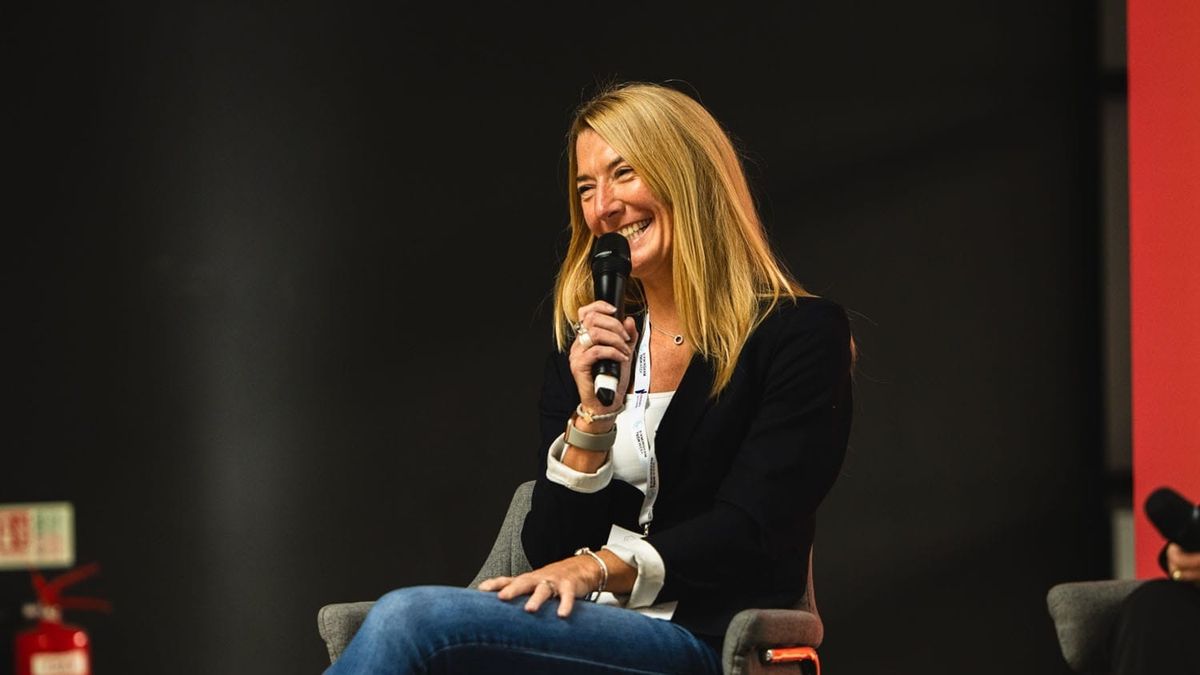
Lisa Perkins, chair of the Suffolk Business Board, said the government should "invest where Britain already has a competitive advantage".
"Norfolk and Suffolk are home to world-class strengths in energy, food, digital technologies and global trade," she said. "With targeted government backing, our region can become a national demonstrator for innovation while helping to deliver the government's ambitions for growth while creating high-value jobs and attracting investment."
The full letter has been published by the Suffolk Business Board and can be read in full here.
Suffolk's stake in the national picture
The case rests heavily on the county's existing contribution to UK infrastructure. The Port of Felixstowe alone handles 44% of the UK's containerised freight, while Sizewell forms part of the region's nuclear generating capacity. Suffolk's ports and logistics sector, the letter notes, has employment 55% above the national average.
Nick Steven-Jones, chair of the Norfolk Business Board, said the two boards were not asking government to start from nothing.
"The prime minister has spoken about trusting places to shape their own future," he said. "Norfolk and Suffolk are ready for that challenge. We're not asking government to start from scratch, we're asking it to back strengths that already exist. With the right partnership, our region can make an even greater contribution to the UK's energy security, food resilience, innovation and long-term growth."
The letter argues that few places in the UK combine energy infrastructure, research capability, digital connectivity and port access "within a single geography", and frames this convergence as the basis for a stronger partnership with Westminster.
A test of "trusting places"
Steven-Jones' language echoes a theme Burnham has returned to repeatedly since becoming Labour leader – that of devolving power and trust to regions rather than governing everything from Westminster. For Suffolk's business community, the letter is as much a test of that promise as it is a funding request.
The Suffolk Chamber of Commerce has gone further, calling on the new administration to press ahead with plans for a Mayoral Strategic Authority covering the county. In a statement issued alongside a joint letter with Norfolk Chambers, it warned that without one, Suffolk and Norfolk risk being "pushed to the back of the devolution queue", losing out on both funding and political voice.
Whether Burnham's government follows through with the kind of local control his own rhetoric has championed remains to be seen. For now, Suffolk's business leaders are making clear they intend to hold him to it.
A plea from the Chamber
Not every voice was quite so unequivocal. The Suffolk Chamber of Commerce welcomed the change of government but struck a more measured tone, saying it would be "waiting eagerly" for Burnham's detailed economic policies to take shape.
Its statement raised concerns that went beyond the Business Board's letter, warning that "the costs of living crisis is not separate from the costs of doing business one", and pointing to two years of quarterly surveys showing local companies, particularly smaller ones, struggling against high taxes, high energy prices and strained supply chains.
 Oliver Rouane-Williams
The Chamber also pressed for faster investment in the Ely and Haughley rail junctions, continued funding for the A14 and its associated roads around Ipswich, and the A11 Five Ways junction. It called for reform, or wholesale replacement, of the business rates system, and urged the government to address the effects of reduced salary thresholds for employer National Insurance contributions introduced in the 2024 Budget.
The bottom line
Suffolk's business voices have moved quickly to shape the agenda of a government barely a day old, and their message is consistent even where their emphasis differs: the county already delivers for the UK, and it is now up to Westminster to decide whether it is willing to invest accordingly. With a prime minister who has built his career on the language of devolving power, Suffolk's business leaders will be watching closely to see whether that promise translates into policy – and funding – on the ground.
Don't forget: If you enjoy our content, please add Ipswich.co.uk as a "preferred source" on Google so you can easily find more of the content you value.
This article cost us ~£95 to produce
It's free for you to read thanks to the generous support of our partners. Please support us by supporting them.
Below the line