
One in six children abused as charity says few cases reach court
New figures show one in six children in England and Wales will experience sexual abuse before turning 18 — this is up from one in ten. Suffolk charity Brave Futures says just 15% of the children it has supported over the past 14 years have seen their case reach prosecution.

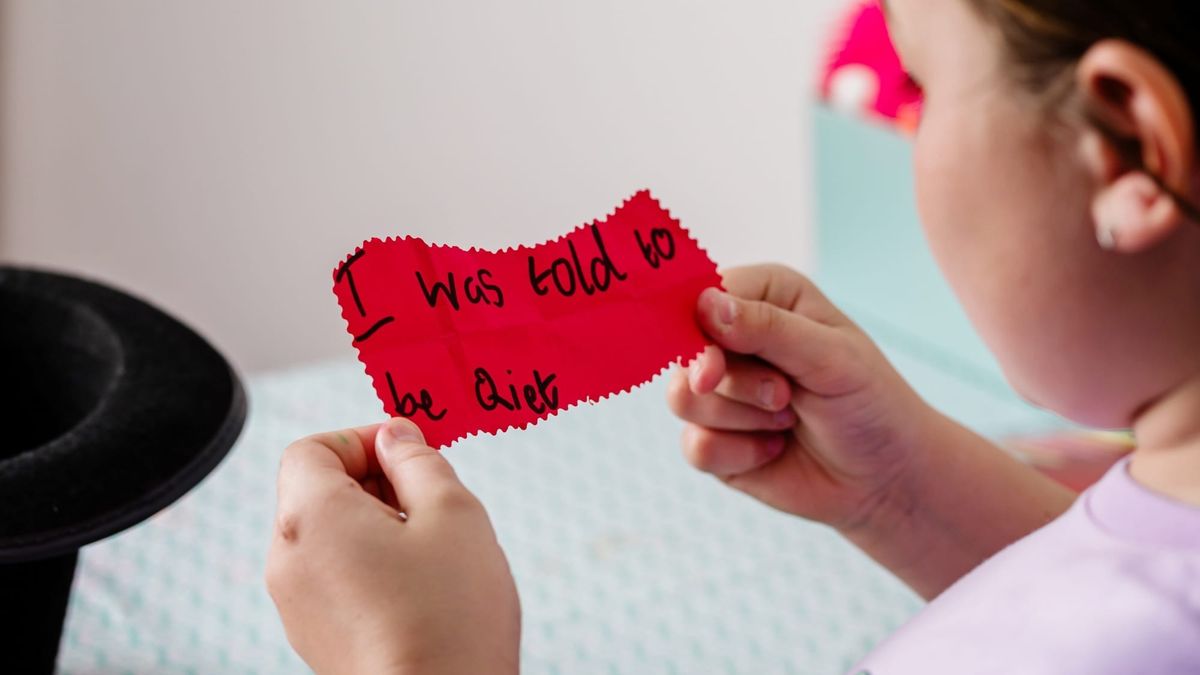
For Brave Futures, a specialist charity supporting children and young people affected by sexual abuse across Suffolk and Norfolk, the figures reflect what its services are already witnessing. Some areas have seen referrals increase by more than 150% compared with the previous year, as more children and young people come forward to seek help.
Hannah Walker, Engagement and Fundraising Manager at Brave Futures, says the rise reflects a combination of factors. "We know there has been a significant increase in online-facilitated sexual abuse, which means children are being exposed to risks that simply weren't there in the same way years ago," she explains. "At the same time, awareness has improved, professionals are becoming better at recognising the signs, and more children and young people are feeling able to speak out and ask for help."
She adds that the new one in six figure "suggests that the problem has always been much bigger than many of us realised."
What happens after a child comes forward
When a young person is referred to Brave Futures, the charity aims to begin working with them within eight to 12 weeks. The first step is an assessment, looking at their individual needs and how their experiences are affecting them, including any trauma symptoms. From there, a bespoke support plan is built around the child's own views, needs and goals.
"We always begin with stabilisation work, helping them develop the tools and coping strategies they need before moving into processing their trauma," Hannah says. "Once that work is complete, we focus on ending the support safely and positively."
On average, Brave Futures works with children for around 25 sessions over the course of a year, though the charity says it isn't driven by strict time limits. Support continues "for as long as is appropriate", and children and young people can return to Brave Futures up to the age of 21. This often encourages individuals to revisit their experiences from a different perspective as they get older, or to seek additional support following court proceedings or any changes that may occur in relation to their experiences.
Research by the National Society for the Prevention of Cruelty to Children (NSPCC) has found that, on average, it takes a child seven years to disclose sexual abuse. Hannah says the charity's own experience reflects that too — which is part of why early recognition matters so much.
Brave Futures trains schools, healthcare professionals, social care and police to recognise the signs of abuse and respond appropriately when a child is ready to speak. "Demand for training has grown significantly, which also reflects the increase we're seeing in referrals," Hannah says. "We're really proud that professionals increasingly see us as somewhere they can turn for advice, guidance and support."
The gap between disclosure and justice
But for the children who do come forward, and whose cases involve a perpetrator who could be prosecuted, the journey through the justice system tells a story that is much more sobering.
"Over the past 14 years, only around 15% of the children we have supported have seen a prosecution," Hannah says. "Court delays can be incredibly long, and for some young people the criminal justice process can add to their trauma. Some have even told us that the court process felt more traumatising than the abuse itself."
What looks like a systemic failure is rarely a story about any one individual. It is, instead, a story about a process — one that can involve several different systems, and can ask a child to tell and retell the same story, reliving the experience each time, before anything resembling justice is reached. There are challenges, Hannah says, but she is careful to stress that this is not a failure of individuals. "I'd probably say this is a much wider conversation," she says. "Many children do report positive experiences with individual professionals, and there are some fantastic people working across policing and the justice system."
She adds: "I don't believe that's because professionals don't care. I think many are working incredibly hard within a system that still isn't consistently child-centred or trauma-informed. Improvements are being made, but there's still a long way to go."
Young voices demanding change
Brave Futures' Youth Board — a new initiative giving young people a direct say in shaping the charity's services — has already chosen the justice system as one of its first issues to tackle.
"The Youth Board is a really exciting new initiative for us, and we're still finding our feet," Hannah says. "It was created because we believe young people should have a genuine voice in shaping the services they receive." Locally, the board tells the charity what's working and what isn't.
"We also want the Youth Board to influence change nationally," Hannah explains. "We want young people to have opportunities to feed into victim and survivor panels, influence policy and shine a light on both the barriers they've faced and the things that have helped them. The agenda isn't set by us, it's set by the young people themselves, because these are their experiences and their voices that deserve to be heard."
One of the first issues the board chose to raise was the justice system itself, to which Hannah says: "It shows just how important it is to the young people themselves."

What needs to change
"Child sexual abuse is not something that one organisation can tackle alone. It takes everyone working together," says Hannah.
Part of that, she argues, starts long before a child ever needs a service like Brave Futures. She points to around 90% of children who experience sexual abuse knowing the person responsible — a reminder, she says, that abuse is "far more likely to happen within families, friendship groups, trusted relationships or community settings than at the hands of a stranger."
Everyday habits, she suggests, can help: giving children autonomy over their own bodies, using correct names for body parts, keeping communication open, and setting healthy boundaries around technology.
But for children whose cases have moved slowly or painfully through the justice system, Hannah says the consideration must start with a foundation of a system that is consistently child-centred and trauma-informed, not just in principle but in practice.
With referrals continuing to rise, Brave Futures is also asking the wider community to play its part. "Additional funding always enables us to reach more children, reduce waiting times and expand our services," Hannah says. "Without increased investment, there is a real risk that waiting times will continue to grow." She adds that support isn't only about donations: advocacy, partnerships, and simply raising awareness matter too. "Some of our biggest successes have come from people simply opening a door or making an introduction that we couldn't have made ourselves."
The bottom line
A new national statistic — one in six, not one in ten — has brought fresh attention to just how widespread child sexual abuse really is. But as Hannah Walker makes clear, coming forward is only the beginning: for the small fraction of children whose cases reach a courtroom, a process built to deliver justice can instead become another ordeal for them to endure. Brave Futures' Youth Board has made this one of its priorities, pushing for a justice system that is more consistently child-centred.
If you have been affected by any of the issues raised in this article, Brave Futures can be contacted via www.bravefutures.org.
Don't forget: If you enjoy our content, please add Ipswich.co.uk as a "preferred source" on Google so you can easily find more of the content you value.
This article cost us ~£67 to produce
It's free for you to read thanks to the generous support of our two community impact partners: local contractor Barnes Construction, and flat roof waterproofing and design firm Axter. Please support us by supporting them.
Below the line