
Nearly £8m to bring faster obesity care to Suffolk and Norfolk
Thousands of people in Ipswich and Suffolk could access NHS weight management support more quickly under a new programme backed by nearly £8 million, after the region was selected as one of twelve areas across the UK to trial new approaches to obesity care.

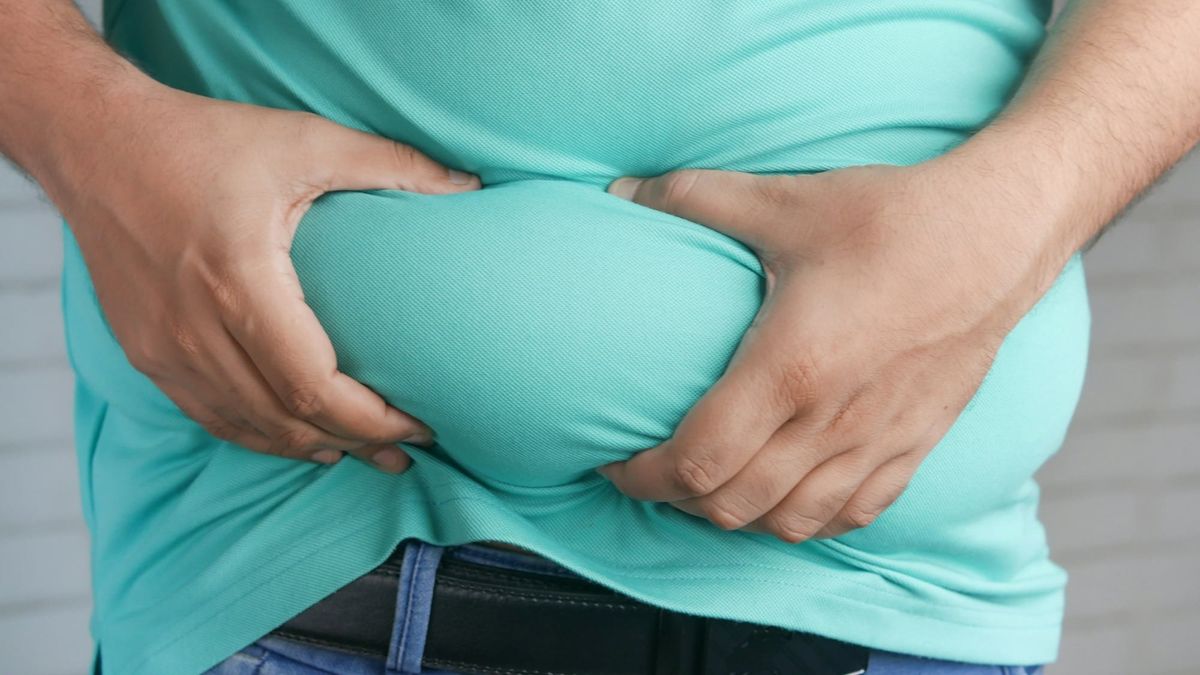
Why it matters: The Norfolk and Suffolk Integrated Care Board has been awarded funding through the government's Obesity Pathway Innovation Programme (OPIP), which the government says will support around 31,000 additional patients every year across the region. For people in Ipswich, it promises a simpler, faster route into support — whether that is dietary advice, lifestyle help, or specialist treatment.
The details: The new pathway will use AI-assisted triage to match patients to the appropriate level of care. People concerned about their weight will be able to complete a short online health assessment from home, rather than waiting for a GP referral, before being directed to one of five options:
- Digital education and self-management support
- Dietetic advice
- Behavioural and lifestyle interventions
- Specialist NHS weight management services
- Clinically appropriate obesity treatments
For the first time, the government says, patients will have a single point of entry into local NHS weight management services, with the aim of reducing delays and making access easier.
New Neighbourhood Access Accelerator Hubs will also be established, working alongside community pharmacies and digital providers to bring support closer to patients with the greatest clinical need.
The bigger picture: Obesity affects almost one in three adults in England, Scotland and Northern Ireland, and one in four adults in Wales. It is estimated to cost the UK up to £107 billion every year, including more than £9 billion annually for the NHS.
OPIP is backed by up to £85 million in total — up to £50 million from the government and up to £35 million from pharmaceutical company Eli Lilly and Company. Twelve projects across the UK have been selected through an open and competitive application process. Eli Lilly and Company was not involved in the assessment or selection of successful applicants.
The projects are designed to run until March 2029 and will generate evidence on how new technologies and innovative care models can improve outcomes, with lessons intended to inform future obesity care nationally.
What they're saying: Ipswich MP Jack Abbott said the investment would "make a real difference by giving more people faster access to the right support, closer to home, while making better use of new technology to improve patient care."
Science Secretary Liz Kendall said the projects would "meet people where they are — whether that is through a pharmacy round the corner, an app on their phone, or support in their own language."
Secretary of State for Health James Murray described obesity as "an epidemic" and said the programme would "test new ways of delivering obesity care that uses the latest technology and is closer to people's homes."
For context: Today's announcement is part of a broader package of government measures to address obesity, including restrictions on junk food advertising on television before 21:00 and online, new powers for local authorities to limit fast-food outlets near schools, a consultation on banning high-caffeine energy drinks for under-16s, extended free school meals for households on Universal Credit, and a planned expansion of the Soft Drinks Industry Levy from January 2028.
What's next: Eligible patients are expected to be able to access support through the new programme imminently, with the projects running until March 2029.
The bottom line: Norfolk and Suffolk are among twelve areas selected to trial new approaches to obesity care under a programme backed by up to £85 million. The government says the investment will give tens of thousands of local patients a faster, simpler route into NHS weight management services — though how much of a difference it makes in practice will only become clear as the programme gets underway.
Don't forget: If you enjoy our content, please add Ipswich.co.uk as a "preferred source" on Google so you can easily find more of the content you value.
This article cost us ~£27 to produce
It's free for you to read thanks to the generous support of our partners. Please support us by supporting them.
Below the line