
Meet Ipswich's new Member of Youth Parliament
Ipswich and Babergh has a new Member of Youth Parliament: 17-year-old Poppy Rayner, who wants young people's voices heard on everything from special educational needs (SEN) support to social media.

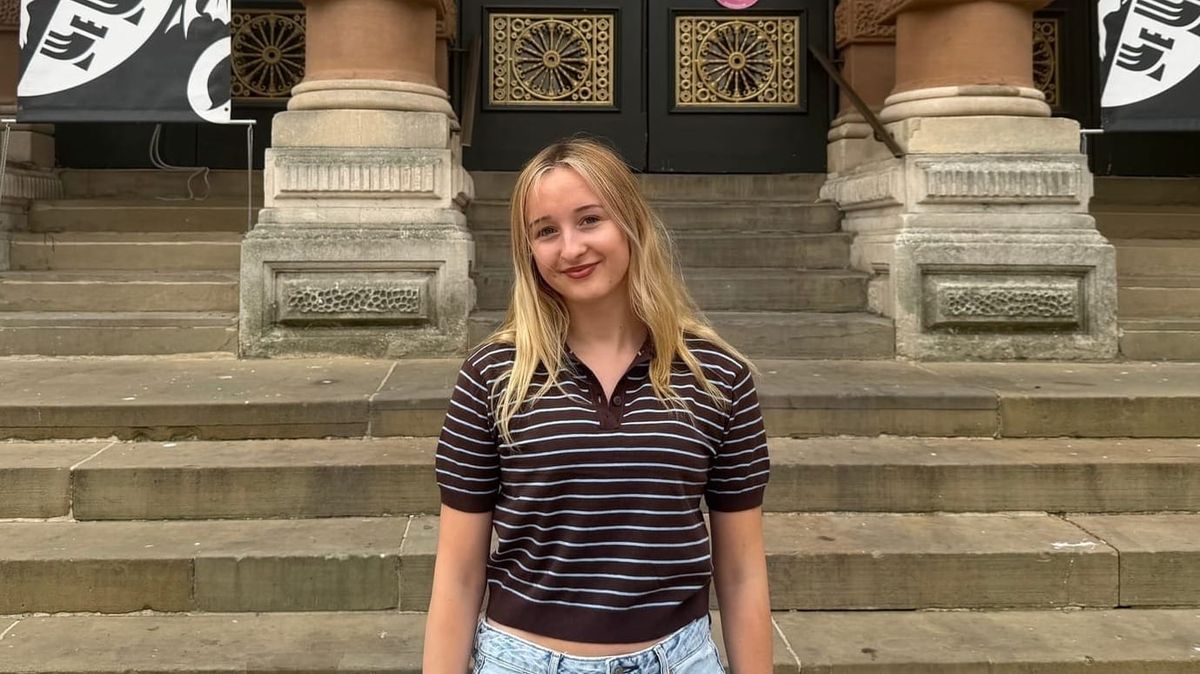
The UK Youth Parliament was established in 1999 and is run by young people, for young people aged between 11 and 18. It is independent of Westminster, though it holds an annual debate in the House of Commons Chamber and is now overseen by the National Youth Agency. In Suffolk, elections for Members of Youth Parliament (MYPs) are held every two years, with a new intake taking up the role in 2026.
Poppy was elected in May 2026 to represent Ipswich and Babergh. She explains the process of being elected, starting with a video explaining her manifesto which later goes on to be shown around youth groups in Ipswich, and it is the young people that get to vote for who represents them.
Her role, she says, is straightforward in principle: "Our role, for our constituency, is to represent the voices of all the young people."
"I think you can really make it your own," Poppy says. "You can have like a big time commitment or a little time commitment, but we like to meet up maybe like once a quarter of a year, and then we also do a call every two weeks, and then in the meantime, we do like our own bits and bobs."
Conversations with young people, albeit important, require an equal amount of listening. "Because it can be hard, especially now, to get a hold of so many young people... I like to go visit youth groups, schools, et cetera, so that I can speak to them and hear their views," she says. "I basically go around, I talk to people. I hear the biggest issues and then I bring them back."
One recent example was a meeting with Sarah-Jane Smedmor, Suffolk County Council's Executive Director of Children and Young People's Services. "It was really lovely." Poppy says. "We've decided to stay in close contact after that."
Fixing the gaps in SEN support
One of Poppy's three campaign priorities is special educational needs (SEN) support in schools, an issue shaped by her own experience of struggling through mainstream education.
"I'm really passionate about SEN," she says. "I've always, as a kid, really struggled in school. I didn't have a normal education. I left school in year eight. I was homeschooled and I kind of like taught myself, and I just want to be able to help and make a difference to children like myself and show them like, you can do it. You can get through that point."
She believes the gaps in support are about people, not just funding. "I feel like children don't have people that understand them. I feel like behaviour that could be a cry for help is seen as defiance and being naughty — and it's not that at all," she says. "The way that I personally think our government, local government, is approaching all of this is to just put more money into it, but I think it needs to take more. People need specialist training, people that are gonna know what to do. You can't just throw money into the pot and expect people to know what to do with that, because the change isn't the money, the change is the people."
 Oliver Rouane-Williams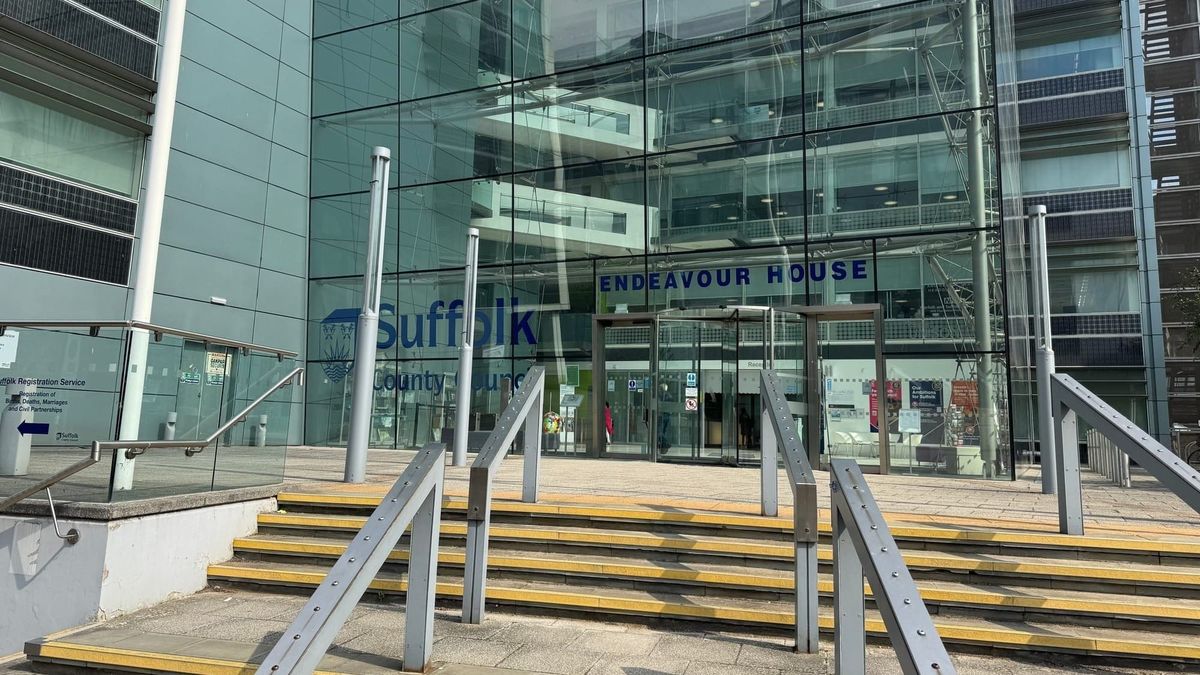
She also points to what she calls "this barrier in the middle" of the SEN system: "There's schools for SEN children, and then there's high schools, but what about the children that aren't, like, severely disabled and don't need a special provision? So they go to normal school, but it doesn't exactly meet their needs. And I feel those children have been failed by the system."
Political education and the social media debate
Poppy's second priority is political education for young people, an issue she links to the forthcoming change to the voting age.
Poppy believes young people are being let down. "Children have no idea what's going on with politics. They don't get taught that. Like we have English, maths, people can do history, but they have no idea what's going on in the outside world. And all that they see is the media, and a lot of the media is manipulation," she says.
She suggests political education could be built into PSHE lessons, or even something as simple as a daily news slot: "Even like I remember when I was younger, we used to watch Newsround, and I feel like that would be quite good because you just get to see news... I think it would be really good to implement maybe in form time or something."
The subject feeds into her mixed feelings on the government's plans, announced in June 2026, to ban social media platforms for under-16s. "I have mixed emotions," she says. "I think social media can be incredibly toxic and not very nice, especially the usage of like Snapchat and young people, but also I don't think you can put a ban in place for a generation that's already had access to it, because they're used to it, that's part of their life. Now you can't just take that away. That's obviously gonna have consequences for young people. So personally, I think it would be better to start it from a new generation."
Supporting survivors of abuse
Poppy's third priority is support for victims of abuse and domestic violence, an area she connects to her work with Brave Futures, a charity supporting young survivors of sexual abuse.
"It holds a really special place in my heart," she says. "I used to go there when I was younger. They were absolutely amazing. So since I've left, I've worked with them. I am now on their youth board... it's led by a lovely lady called Hannah. We'll just focus on small changes and hopefully some bigger ones."
She recognises issues with the way cases involving young people are handled. "I feel like a lot of it is police handling with situations. I don't think it's handled with sensitivity in a lot of cases, especially when it's young children and under-18s," she says. "I personally believe that police officers should have special training... also, I think the criminal justice system is incredibly slow and unacceptable for victims of domestic violence and sexual assaults."
Being a young woman in politics
Poppy is candid about the barriers she has faced as a young woman in a role she sees as still "dominated by men."
"As a young woman, that's what really intrigues me, because we haven't got enough voice," she says. "I feel like young women are... [under-represented] in society, and I will say what I think needs to be said, and I will represent minority voices."
Despite this, and despite criticism she says previous Suffolk MYPs have faced for their appearance and views. "I think people like laugh at me for what I'm doing. I've seen a lot of hate on Youth Parliament and in the media, but I don't care, because that's what I want to do," she says. "I feel like people shouldn't let the media get to them or other people, because if you know you want something in your heart, you know you want it."
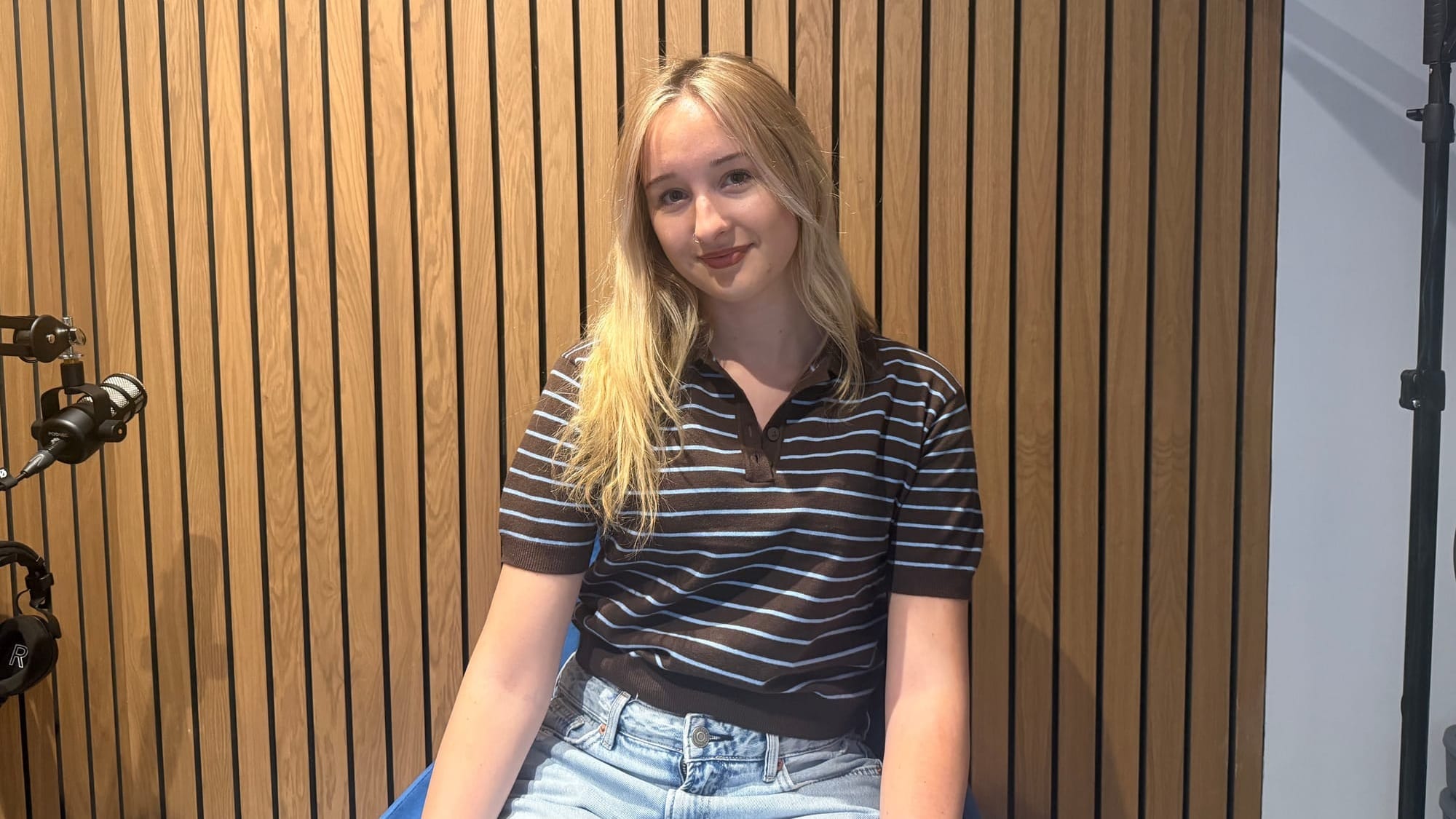
She hopes to build a long-term career in politics, but for now, her focus remains on the young people she represents. "Vulnerable people are kind of neglected by the system," she says of the outcome she is most determined to achieve. "Sensitivity, care, expert knowledge... look at everyone as a person, as their own individual person, and not just a group of people."
Her message to other young people in Ipswich who want to get involved is simple: "Get involved, be in the community, look around at the projects, see what's going on in the youth groups, because there is so much going on, but I feel like the youth don't know about it... Reach out, do it. Don't let stigmas stop you from doing it."
The bottom line
At 17, Poppy Grace Rayner is already balancing A-levels with a role that has her meeting council directors, sitting on charity boards, and speaking up on some of the most sensitive issues facing young people in Suffolk. Whether or not every one of her ideas makes it into policy, her priorities – better SEN support, political education for young people, and stronger protection for abuse survivors – are a reminder that Ipswich's next generation is already thinking hard about the town's future.
Don't forget: If you enjoy our content, please add Ipswich.co.uk as a "preferred source" on Google so you can easily find more of the content you value.
This article cost us ~£94 to produce
It's free for you to read thanks to the generous support of our partners. Please support us by supporting them.
Below the line