
How Ipswich plans to spend £1.25m to tackle rough sleeping
Extra emergency beds this winter, a seven-day cap on stays, more Housing First support and CCTV in rough sleeping hot spots are among the measures in a new plan to tackle rough sleeping, which also sets out how Ipswich will use its share of the Government's £442m Rough Sleeping Programme.

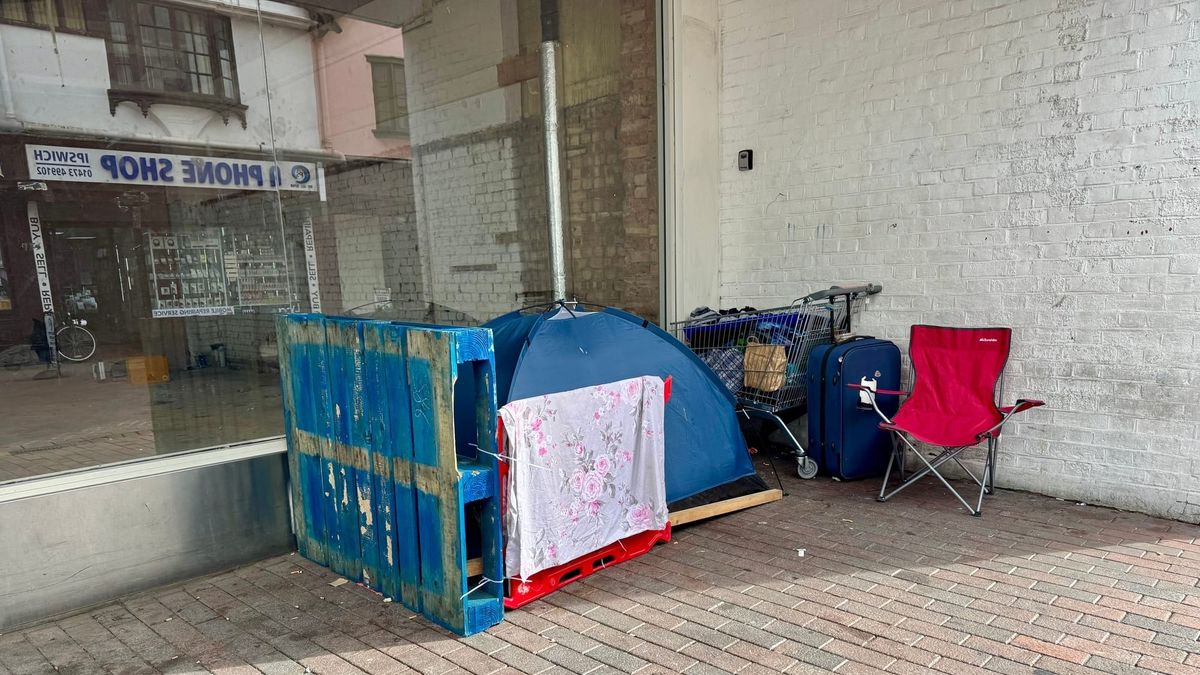
Why it matters: An average of 45 people a month were found sleeping rough between April and August this year, up from 33 a month in 2025/26.
The details: On Tuesday, 3 November, Ipswich Borough Council's Executive will be asked to approve a new long-term plan to tackle rough sleeping.
It sets out how the council will spend £1.25m of government money over the next three years, though the amounts for the second and third years are not yet confirmed.
The plan includes:
- Extra emergency beds this winter, giving people somewhere to go straight off the street, for a maximum of seven days at a time.
- More supported beds for people with high and complex needs.
- More support for Housing First, which helps people sleeping rough into a home of their own, and looking into a second micro homes project from 2027.
- Two staff instead of one working to stop people being evicted from supported housing, with the aim of cutting evictions by 30%.
- A new officer to deal with anti-social behaviour linked to homelessness, and more CCTV in areas where people sleep rough.
The council describes the extra winter beds as a short-term response "until the scale, duration and causes of the current increase are better understood".
By the numbers: In June, 43 people were sleeping rough in Ipswich, 34% more than a year earlier.
- The number of people sleeping rough long-term rose by 67%.
- Around one in five (21%) had left prison, which the council says is a much higher share than across England.
The targets: The council wants to cut the number of people sleeping rough long-term from 13 to six by November 2028, in line with the Government's aim to halve long-term rough sleeping.
For this autumn's annual one-night count, the target is seven people, the same as last year.
For context: The plan comes as Prime Minister Andy Burnham pushes for everyone sleeping rough to be offered a way off the streets by 24 December.
- The Government did not require councils to produce a plan like this, but recommended it as good practice.
- Local bids for a separate £8.4m government fund for charities, community and faith groups were all unsuccessful.
 João Santos
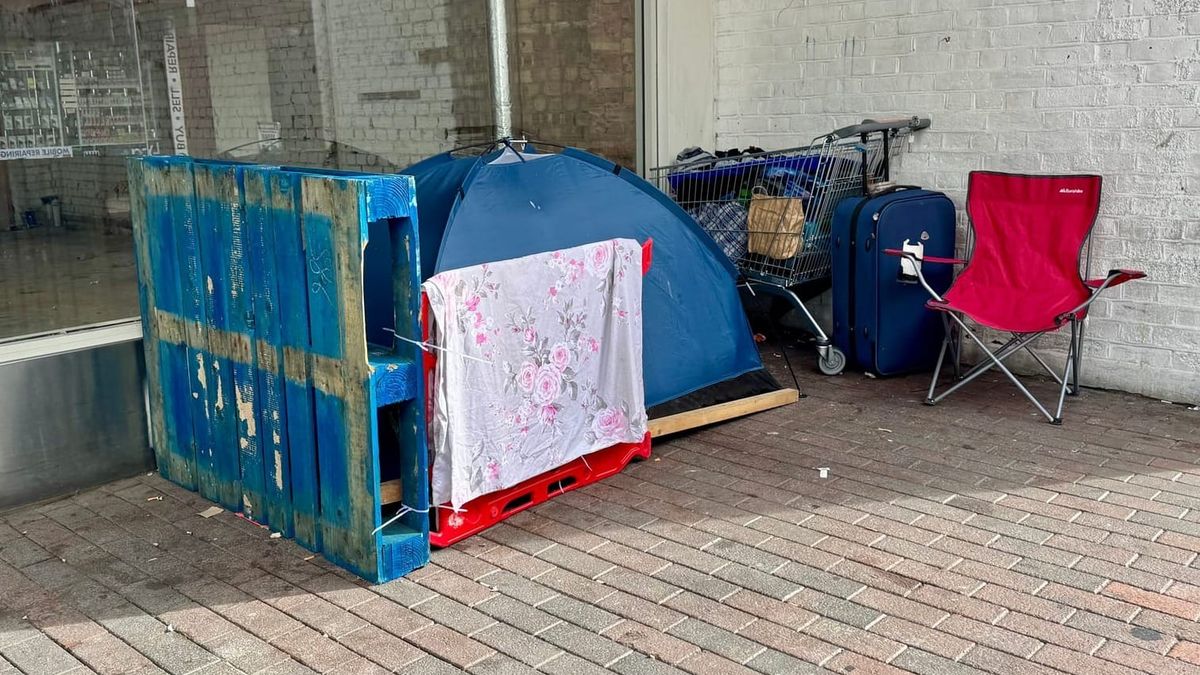
What they're saying: Speaking to the Local Democracy Reporting Service last month, Sean Trueman, outreach coordinator at Ipswich Housing Action Group, said: "This is not just about taking people off the streets and putting a roof over their heads. This is about peeling back the layers and trying to break the cycle."
What's next: The Executive meets at 18:00 on Tuesday, 3 November. Publishing the updated homelessness action plan and the Temporary Accommodation Procurement and Allocation Policy by 1 December 2026 is a condition of the government grant that funds many of the council's homelessness services.
The bottom line: With rough sleeping on the rise, the council has set out how it will spend £1.25m to get people off the streets this winter and into settled homes, while aiming to cut long-term rough sleeping by more than half by 2028.
Don't forget: If you enjoy our content, please add Ipswich.co.uk as a "preferred source" on Google so you can easily find more of the content you value.
This article cost us ~£21 to produce
It's free for you to read thanks to the generous support of our partners. Please support us by supporting them.
Below the line