
Government commits to specialist rape court in Ipswich within two years
As the government unveils specialist rape courts for every crown court in England and Wales, Ipswich-based Survivors in Transition says the reforms matter – but warns they must not become a "surface" fix while survivors face years-long waits and just 3.4% of reported rapes result in a charge.

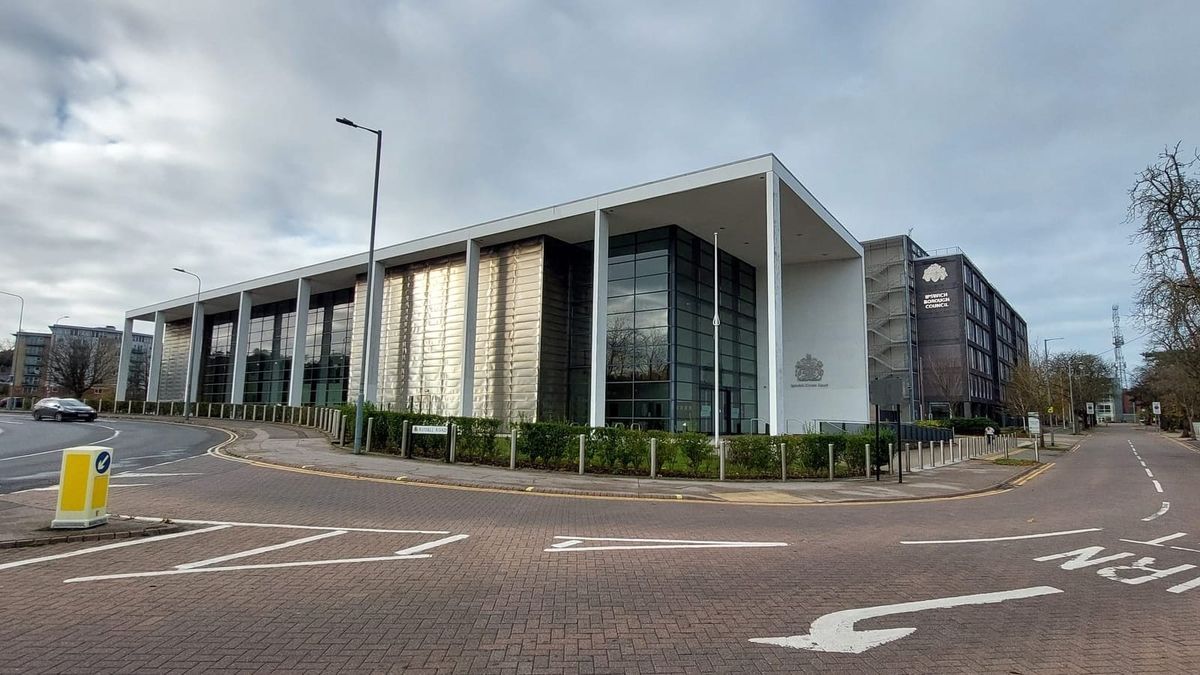
Why it matters: Every crown court, including Ipswich, will gain at least one courtroom specially set up to hear rape and sexual offence cases over the next two years, as part of a £23m government package aimed at improving how survivors experience the justice system.
The details: The changes will include separate entrances and waiting rooms to keep survivors away from defendants, the option to view proceedings remotely and give evidence via video link from a separate room, and trauma-informed training for court staff. Each survivor will also be assigned a single point of contact.
From next month, trials will be given a fixed date rather than being placed on floating lists, which the prime minister said was intended to "rebalance the scales of justice and put victims first".
What they're saying: Fiona Ellis OBE, chief executive and co-founder of Ipswich-based Survivors in Transition, welcomed the announcement but urged caution.
"Survivors In Transition welcomes this announcement and is pleased to see some of the measures set out in the Government's Violence Against Women and Girls (VAWG) strategy published late last year being implemented," she said.
"For survivors of sexual violence including rape, the experience of seeking justice is not simply about what happens during a trial – it is often a process lasting many years, during which uncertainty, repeated delays, poor communication and the fear of encountering the person who assaulted them can have a profound impact – so these changes really matter."
She said fixed trial dates, separate entrances and waiting areas, properly equipped facilities for giving evidence, and trauma-informed staff "are not just surface improvements," adding: "They address things survivors have consistently told us make an already extraordinarily difficult process harder."
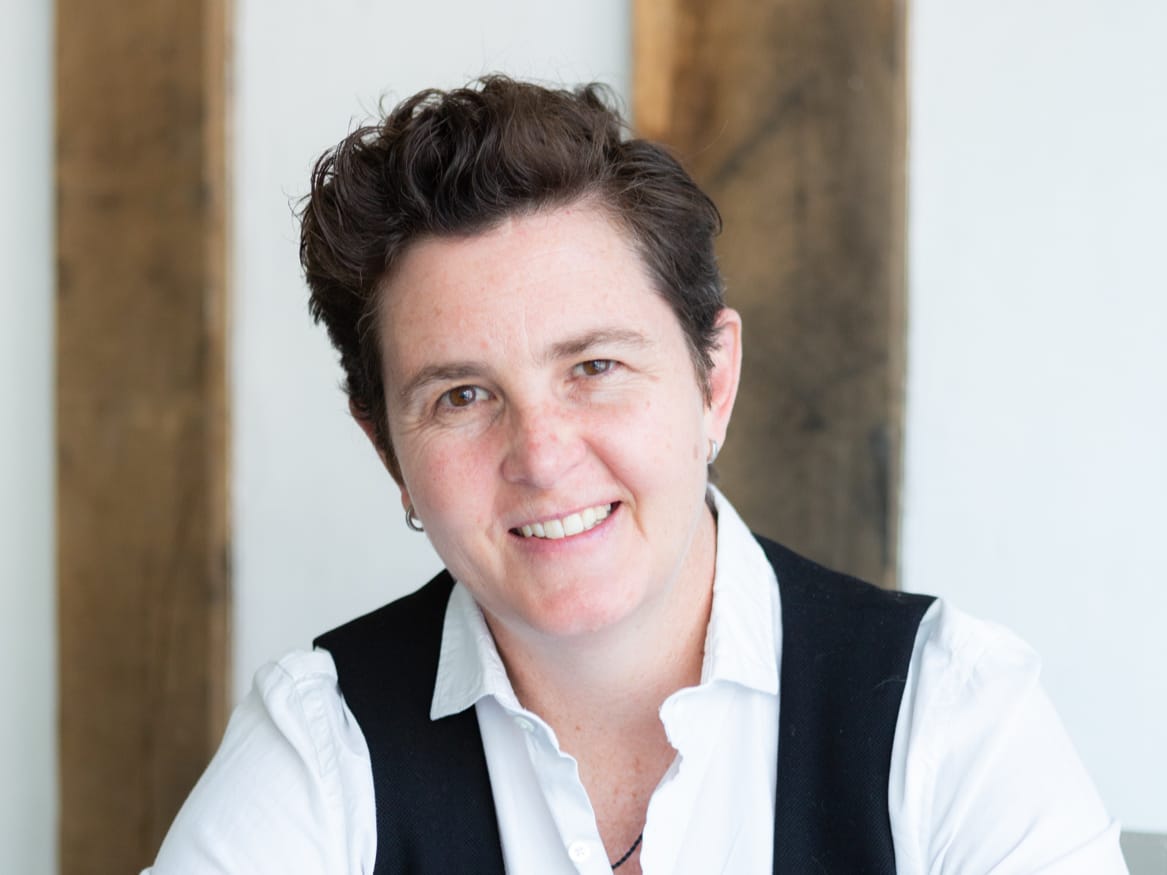
Ellis cautioned that a courtroom being labelled "specialist" would not matter unless survivors in Suffolk experienced the whole process differently.
"This will take time to roll out, and describing a courtroom as 'specialist' simply because the physical environment has changed won't matter unless survivors in Suffolk experience the whole process differently – including less time waiting, fewer delays, improved communication, genuinely trauma-informed approaches, appropriate special measures and access to independent specialist support before, during and after proceedings," she said.
Survivors in Transition is currently supporting survivors who have been waiting more than four years for a court date, Ellis said.
By the numbers: Ellis pointed to Home Office data showing just 3.4% of rape offences recorded by police in the year to March 2026 resulted in a charge, saying this "starkly" illustrates how few survivors currently get anywhere near a courtroom.
"We also cannot lose sight of what happens before a case ever reaches court. Many survivors never report to the police, and those who do can face a very long journey through investigation, charging and ultimately trial. Improving the court experience is therefore an important part of reform, but it cannot compensate for problems elsewhere in the criminal justice process," she said.
What's next: Ellis said Survivors in Transition would continue to monitor progress locally and work with criminal justice and wider system partners to ensure survivors' needs remain central as the changes are introduced across Suffolk. She said survivors who had already waited years "should not find themselves pushed further back while a new system is introduced" and "should be among the first to feel its benefits."
The bottom line: New specialist courts promise fixed trial dates, trauma-informed staff and better facilities and experiences for survivors of rape and sexual assault – but Ipswich's Survivors in Transition says the reforms will only mean something if they are felt by survivors in Suffolk from day one, not just on paper.
Don't forget: If you enjoy our content, please add Ipswich.co.uk as a "preferred source" on Google so you can easily find more of the content you value.
This article cost us ~£54 to produce
It's free for you to read thanks to the generous support of our partners. Please support us by supporting them.
Below the line