
Exclusive: The demolition of Debenhams
Ipswich.co.uk can exclusively reveal that Ipswich Borough Council has acquired the former Debenhams building for £4m and plans to demolish it after the current owner, Unex, stripped it bare and allowed it to become a "blight" on our high street for half a decade.

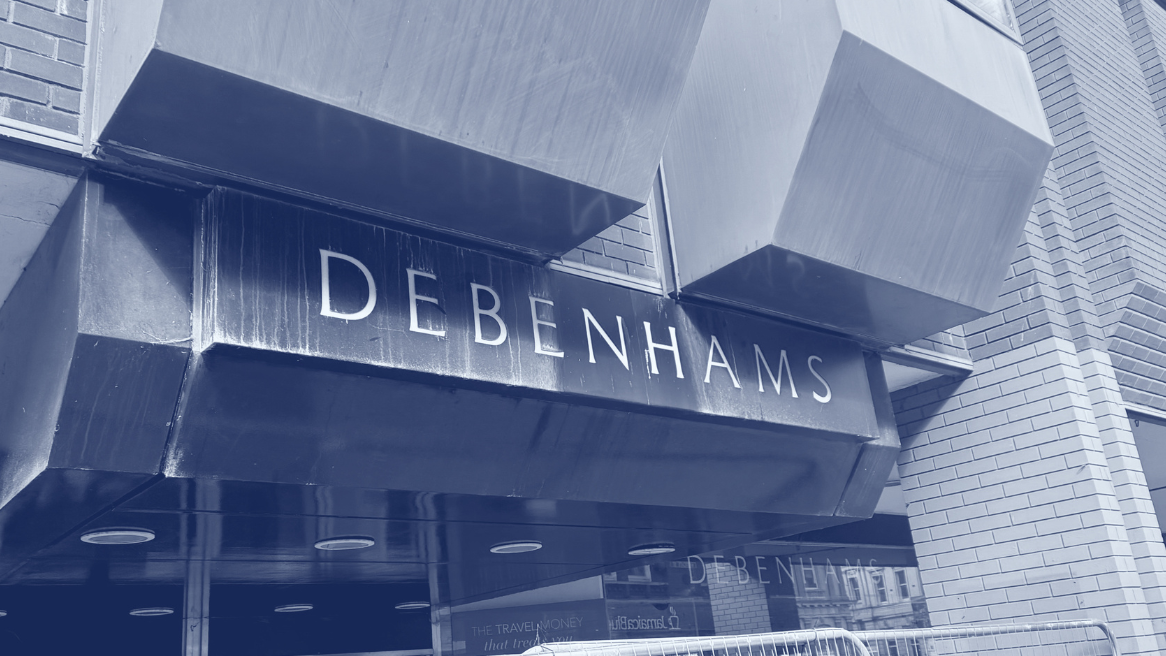
The council has confirmed to Ipswich.co.uk that it has completed its long-running acquisition of Waterloo House, more commonly known as the former Debenhams building, and will proceed to clear the site for a new mixed-use development.
The purchase and subsequent demolition have been funded entirely by £5,274,500 from the Government's Local Regeneration Fund, formerly known as the Towns Fund, from which Ipswich was awarded £25m in 2021. It is believed that the previous owner, the Unex Group, initially wanted £5.5m, before settling for a figure in the region of £4m.
The council will incur additional costs associated with holding the asset, such as security and maintenance, and it will need additional budget to fund the design competition and consultant fees that will determine what will be built in its place. These costs are unknown at this stage.
Councillor Neil MacDonald, leader of Ipswich Borough Council, described it as "one of the most important buildings in Ipswich town centre," adding: "By bringing the site into council ownership, we can remove a long-standing blight, unlock future redevelopment and create an opportunity for something much better for Ipswich." Ipswich MP Jack Abbott also welcomed the acquisition, saying the empty building had "left a scar on our high street for half a decade."
While politicians tend to attract the headlines and quotes, it is officers who deliver deals of this scale away from the public eye. In this case, that responsibility fell to James Fairclough, the council's Executive Director of Place, Operations and Communities, who has been the driving force behind this and several other high-profile town centre deals.
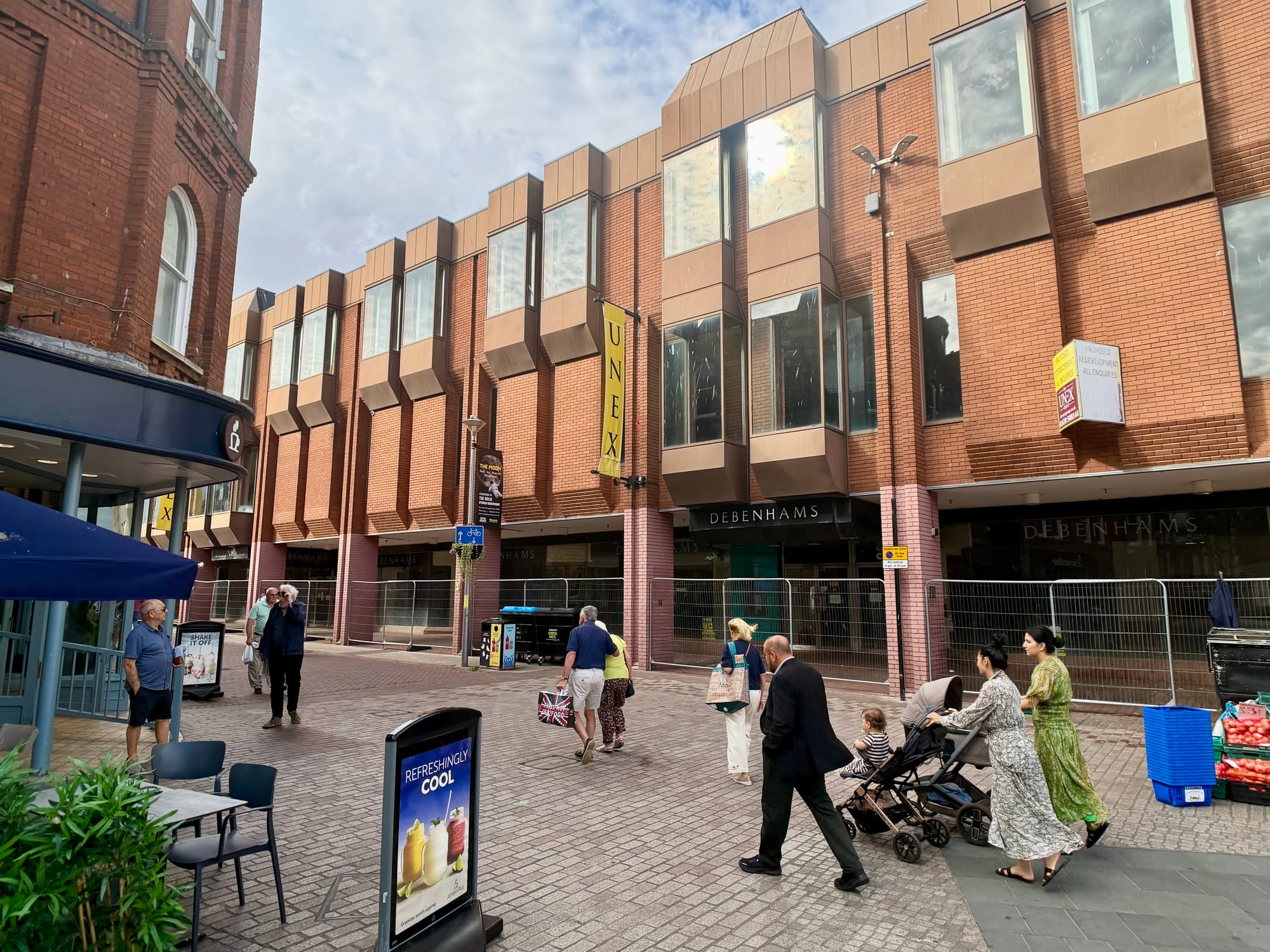
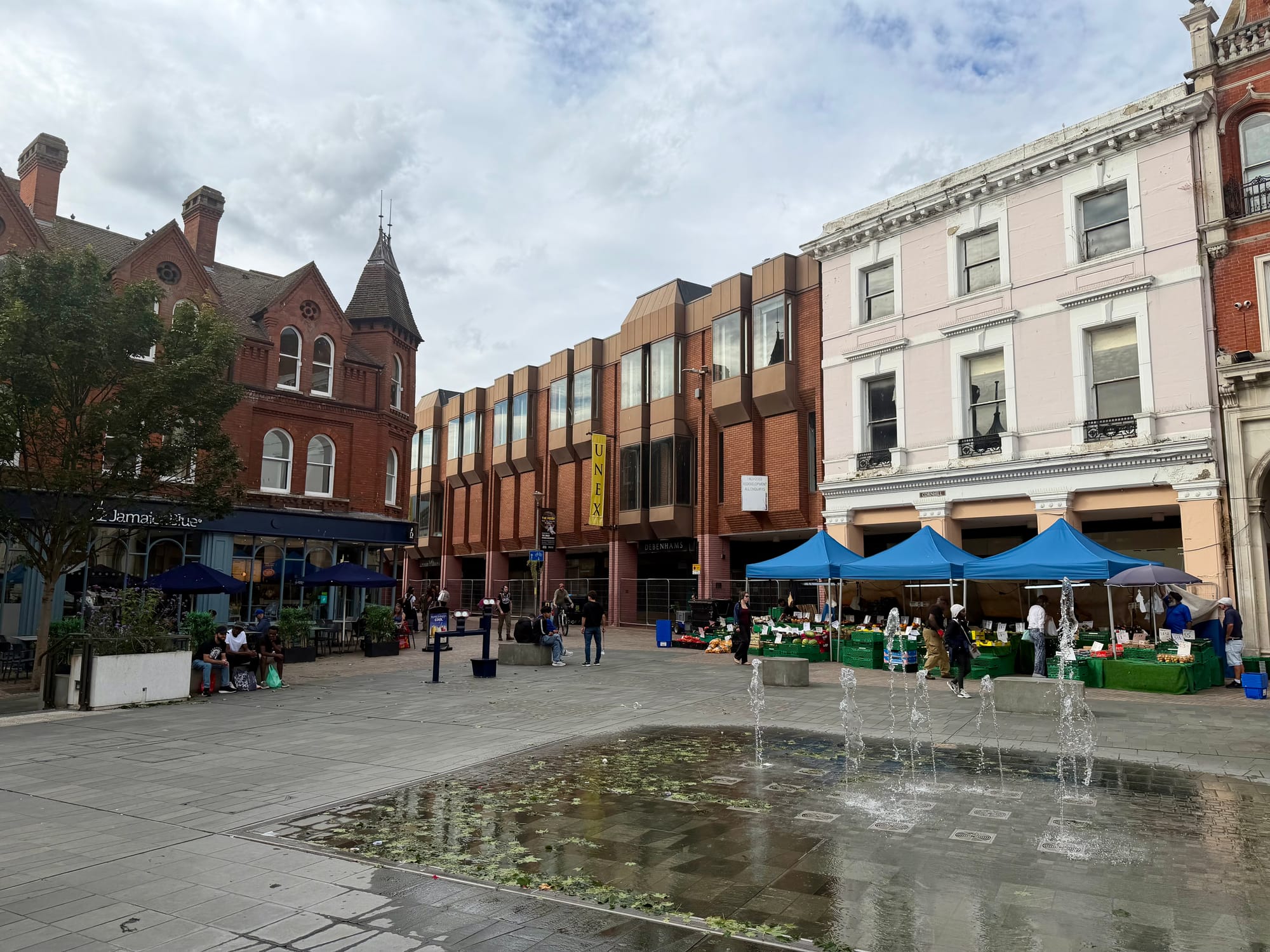
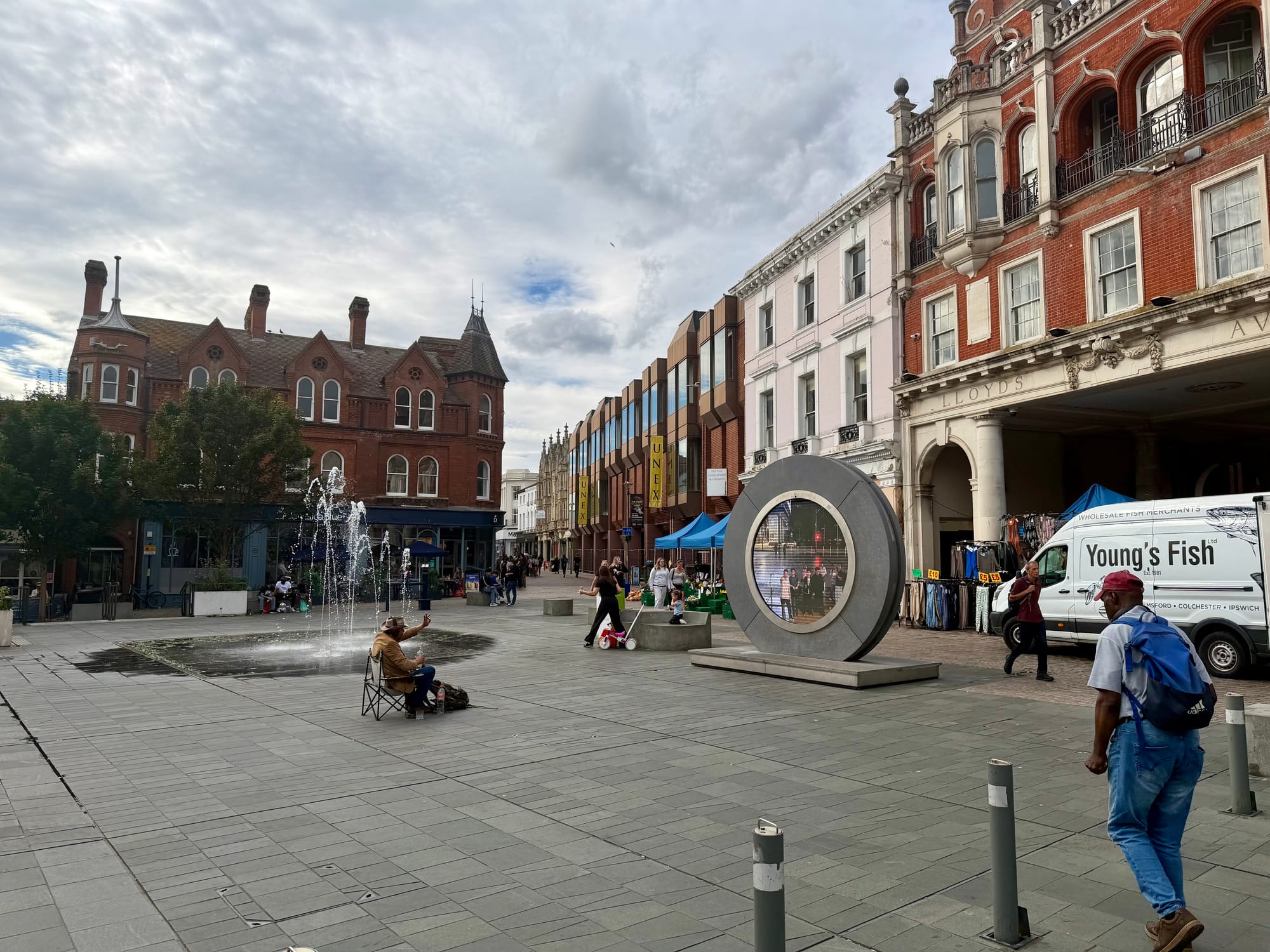
Whatever replaces Debenhams will completely transform Ipswich's streetscape (Photos: Oliver Rouane-Williams/Ipswich.co.uk
The acquisition is the centrepiece of the council's Cornhill Strategy and its wider Proud of Ipswich Corporate Strategy, which prioritises a "thriving town centre." Recent investment in the immediate area includes the restoration of the Grade II listed former Post Office building, now home to The Botanist, the acquisition of the Grade II listed Lloyds Bank building in 2023, and the refurbishment of the former Grimwades building, which now houses Jamaica Blue, Lovisa, and an upper-floor education and skills facility that shall be run by Suffolk New College when it opens.
The decision to proceed with the acquisition was originally taken behind closed doors, at an Executive meeting on 11 August 2026. The report was placed on the closed agenda under paragraph 3 of Schedule 12A of the Local Government Act 1972, which covers information relating to financial or business affairs.
Following that decision, multiple councillors raised concerns with this publication about the lack of public scrutiny given to a decision of this scale, particularly given Ipswich Borough Council is due to be abolished within two years under local government reorganisation, and with next year's local elections on the horizon.
While the council regularly hides behind commercial sensitivity to avoid media scrutiny, another factor was at play on this occasion: Unex Group are said to have threatened to walk away from the deal if details entered the public domain before completion.
For that reason, we made the difficult decision not to publish until the deal was completed, despite one Labour councillor leaking confidential details to the BBC just days after the council publicly shamed Conservative councillor Ian Fisher for doing the same.
 Oliver Rouane-Williams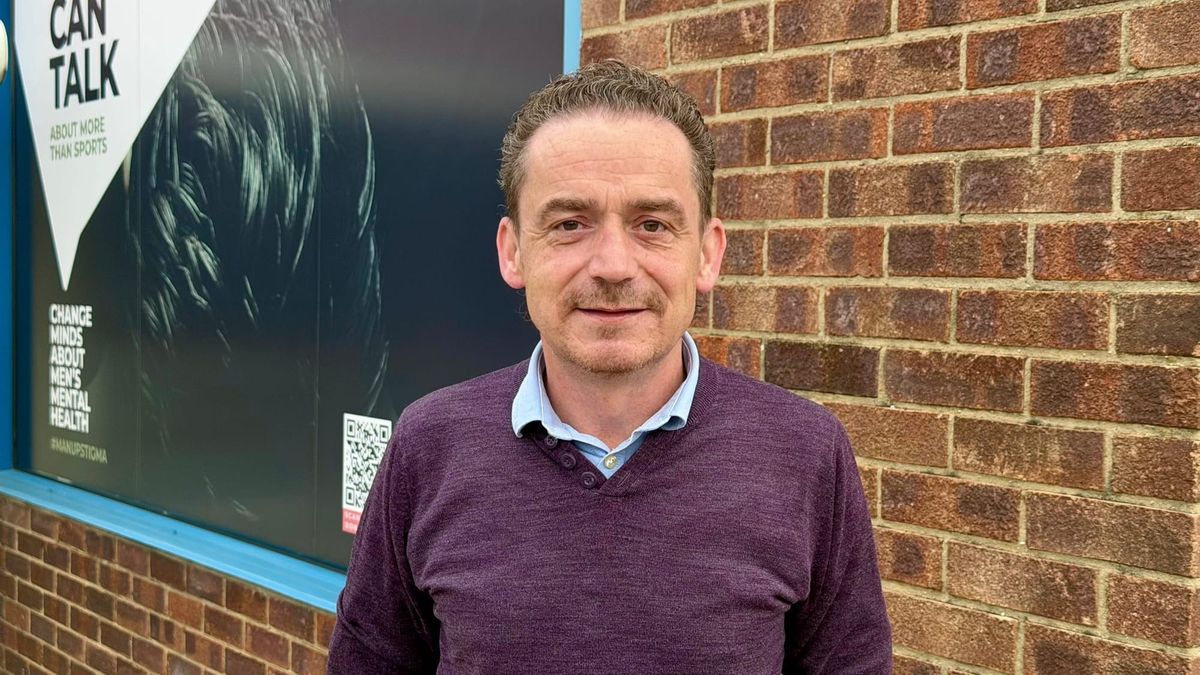
Stripped to the bone
Much of the difficulty in finding a new use for the building – and now, in demolishing it – stems from just how comprehensively it was stripped out by its former owner.
Most of the building's mechanical, electrical and plumbing systems have been removed entirely. There is no heating, cooling or ventilation. The domestic hot and cold water pipework has been stripped back to the street mains, and the gas supply removed in its entirety, meaning the building currently has no gas supply at all. The fire detection and alarm system has been stripped out, with any remaining detectors non-functional. Of the building's four lifts, three have been removed, leaving one that operates manually. The escalators that once connected each floor have also been taken out, leaving voids in the concrete floor slabs between levels.
It is understood that this scale of strip-out, carried out by Unex after it acquired the building in 2021, was itself a significant factor in the company's inability to secure a new tenant. Reinstating the building's services to a standard suitable for retail, office or leisure use would have required substantial further investment on top of any fit-out costs, making the economics of reoccupation increasingly unworkable the longer the building sat empty.
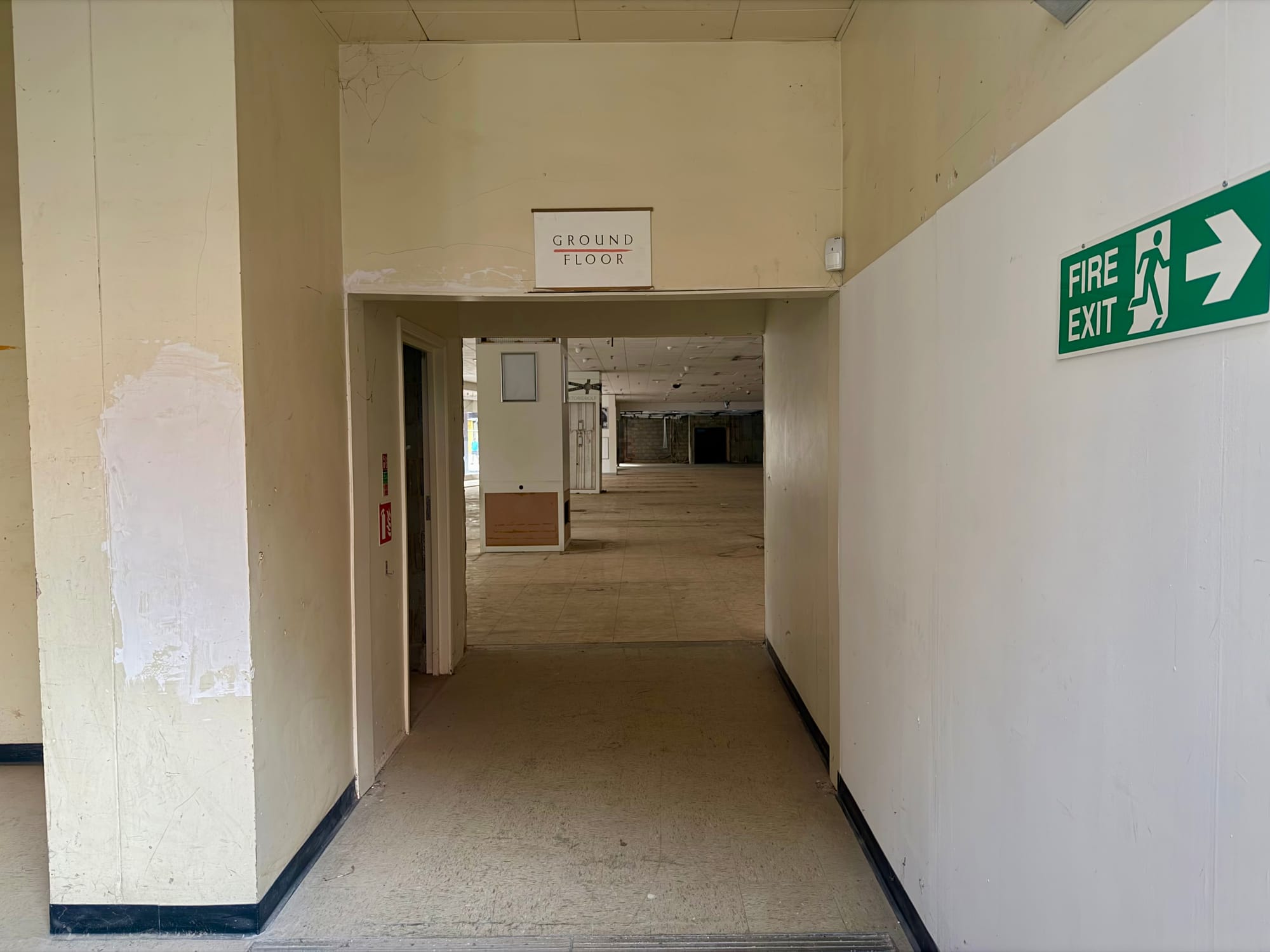
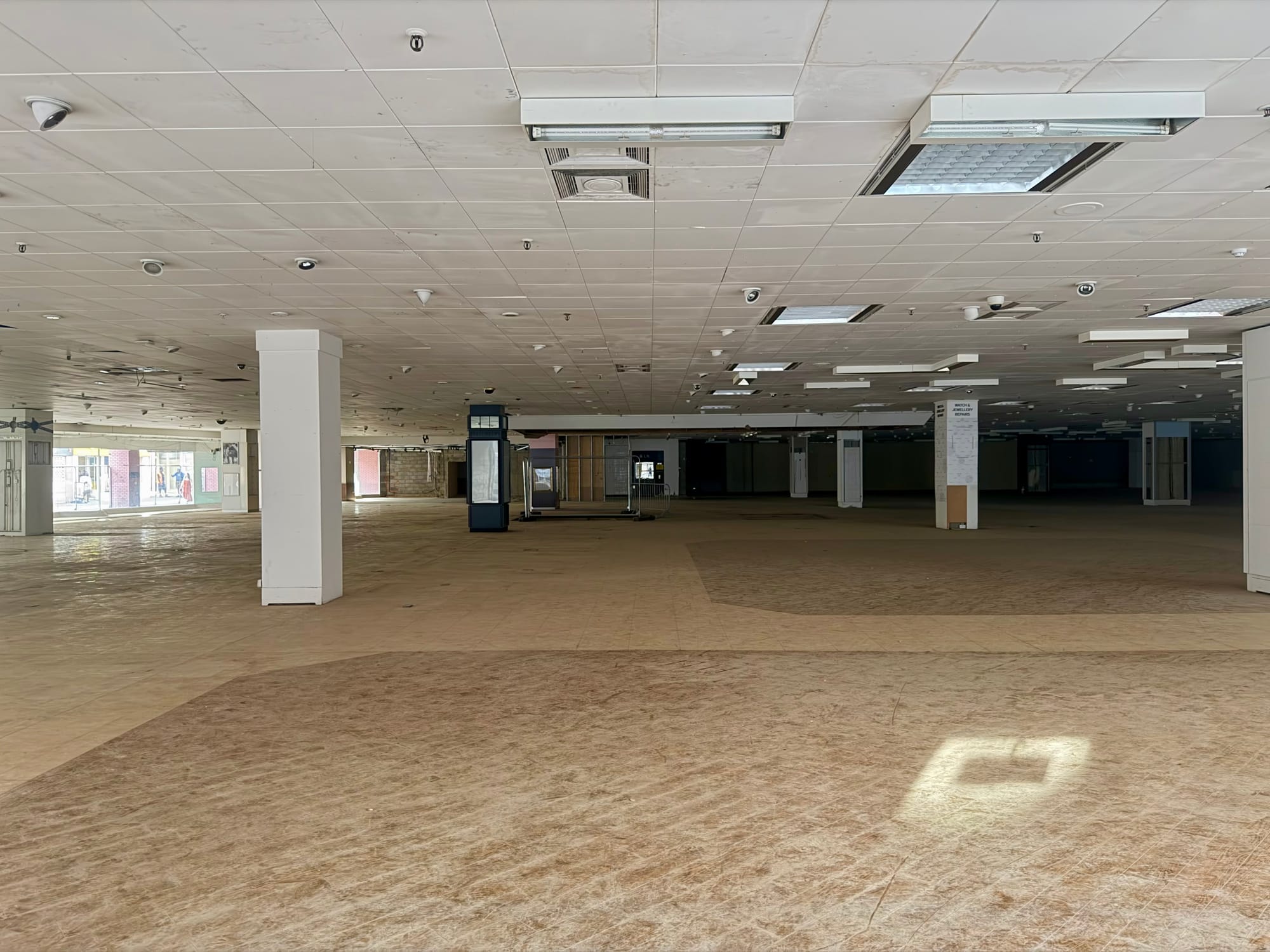
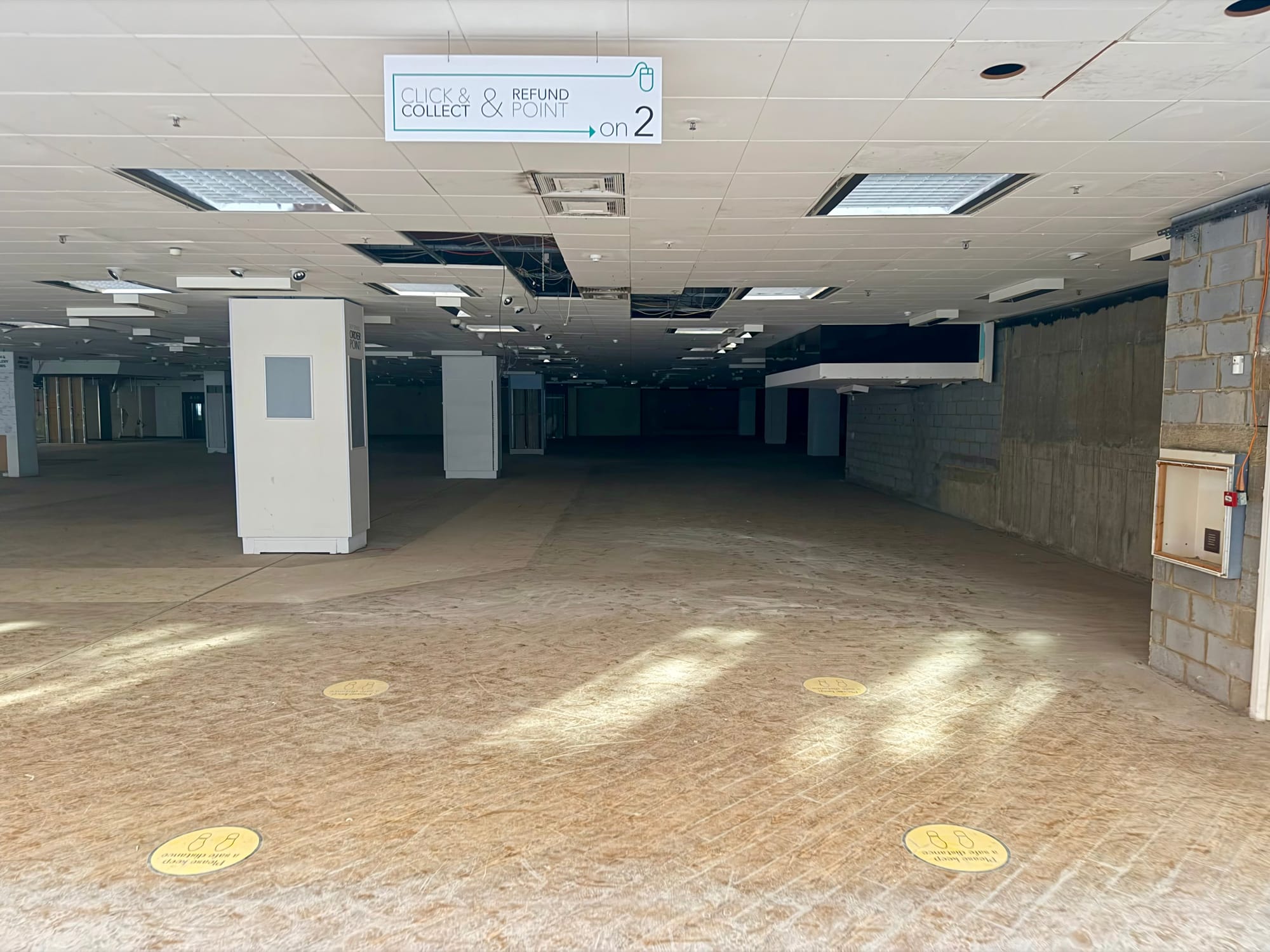
Inside the former Debenhams building (Photos: Oliver Rouane-Williams/Ipswich.co.uk)
The same strip-out now has a direct bearing on the council's demolition costs. Demolition projects can often recoup some of their cost through the resale of scrap materials such as copper piping, wiring and metal fixtures. With the building already stripped of the vast majority of these, the council will have little, if anything, of that kind to offset against its £1.2m demolition budget – a figure some councillors are understood to have concerns is not robust. The demolition contract has been given to Handford Homes, the council's wholly-owned commercial property arm.
What replaces it
Lee Walker, chief executive of Ipswich Central, the town's Business Improvement District, welcomed the acquisition while stressing that its significance would ultimately rest on what follows. "The proof of success will ultimately be in what comes next in the future use of the space, and the role it can once again play in the heart of Ipswich," he said. "But getting to that point required someone to step forward. The council deserves real credit for having the bravery to do exactly that: taking control of a building that has stood vacant for far too long and unlocking the opportunity for its next chapter. This is an important moment, but it has to be the beginning rather than the end of the story."
But what does come next?
The Grade II listed Lloyds Arch, spanning Lloyds Avenue, will be retained, and the council has separately committed to improvements to Lloyds Avenue and the arch itself, creating additional green space and pedestrian-friendly areas.
For the rest of the site, the council intends to run what it has described as a developer-led design competition, rather than a conventional architectural competition. Full development teams – including architects, planners, cost consultants and funders – will be invited to submit comprehensive proposals covering design, funding, planning and delivery. According to the council, the successful bidder will be judged not simply on the quality of the design, but on their ability to demonstrate the scheme is financially viable and deliverable.
It is understood the resulting development is intended to be mixed use, combining commercial and residential space. It also remains unclear whether demolition will take place before or after the outcome of that process, a question that councillors have raised as a concern with this publication.
Lloyds Avenue, too
On the same day, the council confirmed that construction on the long-delayed Lloyds Avenue revamp will finally begin later this year, after Suffolk County Council approved the highways works needed – six years after the scheme was first proposed and five years after funding was secured.
Given the former Debenhams unit runs directly along Lloyds Avenue and adjoins Lloyds Arch, the two schemes are far from separate. Local contractor Brooks and Wood Ltd has been appointed to deliver expanded pedestrian areas, improved seating and high-quality paving across the street, similar to improvements already delivered on St Peter's Street, along with new cycle parking, the decluttering of Lloyds Archway and new planters. A taxi rank will be retained at the top of Lloyds Avenue, and the scheme is expected to be completed by mid-July 2027, subject to formal agreement with the county council's highways service.
Taken together with the demolition of Debenhams and the eventual redevelopment of the site, the Lloyds Avenue works mean one of the town centre's most prominent corners is now set for its most significant transformation in decades.
 Nicola Sebastian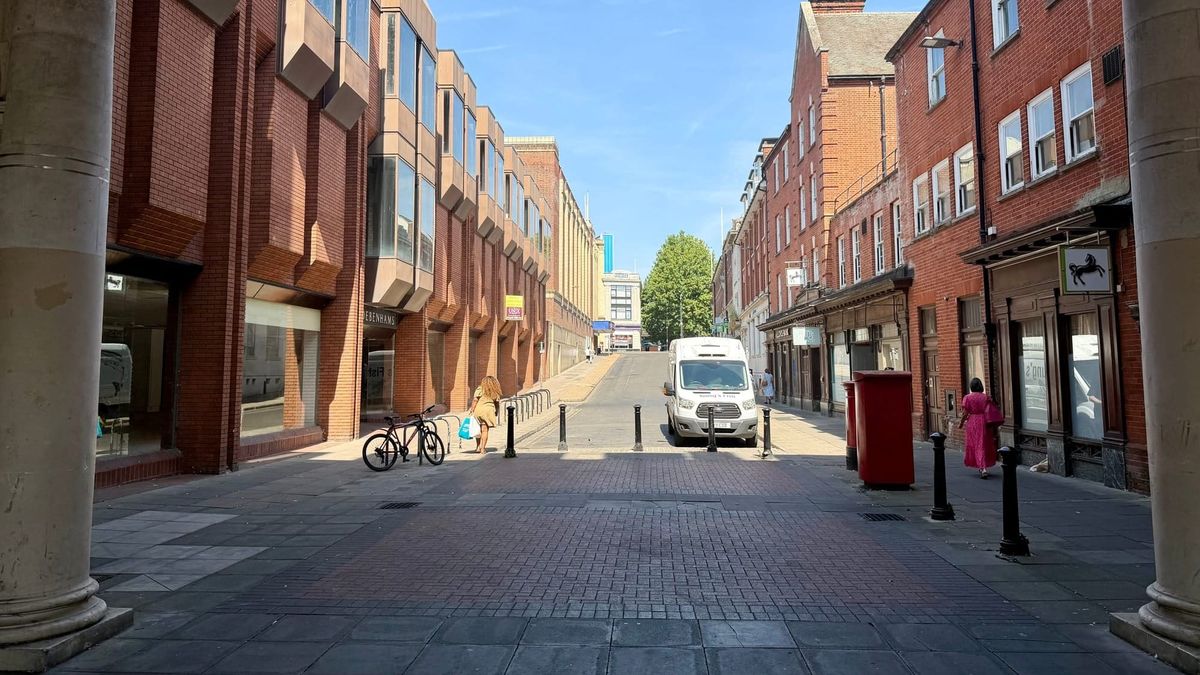
What could have been
The building's recent history stretches back to April 2021, when it was sold by administrators acting for Debenhams to the Unex Group, headed by property tycoon and racehorse owner Bill Gredley, for just over £3m. Ipswich Borough Council is understood to have been among the bidders outbid at the time – the month after it received £25m from the Towns Fund.
Five years on, with the council now paying around £1m more to acquire the same building, Unex stands to make a return in the region of £1m on the sale – a reasonable return in what has otherwise been a stagnant commercial property market, despite its inability (or unwillingness) to find a tenant. It raises the obvious question of whether the council – and town – might be better placed today if it had secured the building in 2021, with redevelopment potentially well underway or even complete by now.
The more pressing question is whether the incoming Ipswich & South Suffolk unitary authority, due to take over from Ipswich Borough Council and Suffolk County Council in 2028, will succeed where Unex could not in finding tenants for whatever development replaces the current building.
A problem faced by many towns
Ipswich is far from alone in grappling with a vacant former Debenhams. Research by the Local Data Company found that more than half of the roughly 118 stores left empty by the chain's 2021 collapse remain vacant or under redevelopment nationally, with only around a third taken on by other retailers.
Where former Debenhams sites have been successfully brought back into use elsewhere, they tend to fall into a handful of categories: large-format retail, leisure and entertainment, health and wellbeing, education, residential, or mixed-use redevelopment. Reuse of the existing building is typically only viable where there is a strong occupier or major institutional use lined up; many sites nationally have instead been demolished and replaced with residential-led mixed-use schemes, in some cases for uses as unexpected as a submarine engineering training centre for defence firm BAE Systems in Barrow-in-Furness.
The bottom line
The council has framed this as decisive action on a building that has blighted the Cornhill for half a decade, using government funding rather than local taxpayer reserves, and with an ambition to create something genuinely transformative for the town centre.
But the fact that the underlying decision was taken entirely behind closed doors, without public scrutiny, sits uneasily alongside that ambition for some. And questions should and will be asked about why they allowed themselves to be forced out of the deal by Unex in 2021, fresh off being awarded £25m from central government precisely for this type of project.
With the council itself facing abolition within two years, and a potential election looming next year, residents are right to ask not just what replaces Debenhams, but who will be accountable for making sure it gets built.
Debenhams is to be demolished, but what is built in its place could – no, must – transform our town centre for generations to come. This is an opportunity that Ipswich can ill afford to blow.
Don't forget: If you enjoy our content, please add Ipswich.co.uk as a "preferred source" on Google so you can easily find more of the content you value.
This article cost us ~£378 to produce
It's free for you to read thanks to the generous support of our partners. Please support us by supporting them.
Below the line